Pristiq is the brand name for desvenlafaxine, a prescription antidepressant in the serotonin and norepinephrine reuptake inhibitor (SNRI) class. It is not a controlled substance, and it is not one of the drug classes that standard workplace or clinical urine panels are built to detect. A person taking Pristiq as prescribed should not expect it to register as an illegal or controlled drug on a routine test. The more useful question for anyone taking this medication, or for the employer or clinic reviewing a result, is narrower and more specific: can desvenlafaxine, or its parent compound venlafaxine, interfere with a screening immunoassay and cause an unrelated false positive. The published evidence says yes, in rare cases, on the phencyclidine (PCP) screen, and understanding why requires separating how screening tests work from how confirmation testing works.
Screening immunoassay versus confirmation testing
Almost every urine drug test used in workplaces, clinics, and treatment programs starts as an immunoassay. These tests use antibodies that bind to a target drug or its metabolite. The antibody is not perfectly selective. It is built to recognize a chemical shape, and other molecules that happen to share part of that shape can sometimes bind well enough to trigger a positive signal even though the actual target drug is absent. This is called cross reactivity, and it is the mechanism behind essentially every documented medication related false positive.
Because immunoassays are a screening step, not a final determination, any non negative result on a federally regulated test is required to go to confirmation testing using gas chromatography mass spectrometry (GC/MS) or liquid chromatography tandem mass spectrometry (LC/MS). These confirmation methods identify the exact molecule present rather than a general chemical shape, and they will not confirm phencyclidine unless phencyclidine, or a defined PCP metabolite, is actually in the specimen. A true desvenlafaxine related screening false positive should not confirm as PCP on GC/MS or LC/MS.
What the published case reports actually show
Desvenlafaxine is the major active metabolite of venlafaxine (sold as Effexor), and the interference pattern was first described with the parent drug. A 2002 case report in Clinical Chemistry described false positive PCP immunoassay results in patients taking venlafaxine, attributed to both venlafaxine and its metabolite O-desmethylvenlafaxine, which is desvenlafaxine itself. A peer reviewed case report published in BMJ Case Reports documented a patient on therapeutic Pristiq (desvenlafaxine) who produced a presumptive positive PCP result on a urine drug screen, noting that reporting on desvenlafaxine specifically, as opposed to venlafaxine, had been limited up to that point. A more recent case report in Case Reports in Psychiatry described an adolescent patient on long term, therapeutic dose venlafaxine extended release who screened presumptive positive for PCP on an 11 panel urine drug screen with no history of illicit PCP use and no acute overdose.
Three points are worth pulling out of this literature. First, the number of published cases is small, these are case reports, not population studies, so the frequency of this interference is not well established. Second, every case described used an immunoassay screening platform, and the interference has been reported on more than one manufacturer's assay, which means it is not limited to a single test brand. Third, in each case the presumptive PCP result was recognized as inconsistent with the clinical picture and investigated rather than accepted at face value, which is exactly how the screening and confirmation system is supposed to work.
Desvenlafaxine and venlafaxine are not chemically related to amphetamines, opioids, benzodiazepines, cocaine metabolite, cannabinoids, or barbiturates, and there is no credible published evidence linking this medication to false positives on those panel classes. The documented interference is specific to the PCP immunoassay.
Standard panel classes and where Pristiq fits
| Panel class | Typical target | Pristiq (desvenlafaxine) relevance |
|---|---|---|
| Amphetamines/methamphetamine | Amphetamine, methamphetamine, MDMA | No published cross reactivity |
| Cannabinoids (THC) | THC metabolite | No published cross reactivity |
| Cocaine metabolite | Benzoylecgonine | No published cross reactivity |
| Opiates/opioids | Morphine, codeine, synthetic opioids | No published cross reactivity |
| Phencyclidine (PCP) | Phencyclidine | Rare case reports of immunoassay false positive, resolved by GC/MS or LC/MS confirmation |
| Benzodiazepines | Benzodiazepine class metabolites | No published cross reactivity |
| Barbiturates | Barbiturate class | No published cross reactivity |
What an employee or patient should do
Anyone prescribed Pristiq who is facing a workplace, legal, or treatment program drug test should disclose the prescription before the test if the program has a process for that, and should keep documentation such as a pharmacy label or prescriber note available. Under the federal testing framework that applies to safety sensitive transportation employees, a laboratory confirmed positive result is reviewed by a Medical Review Officer (MRO), a licensed physician trained to interpret test results and verify legitimate medical explanations, before any result is reported to an employer as positive. The MRO review process, confidential interview, and verification steps are set out in 49 CFR Part 40, including the subpart governing Medical Review Officers and the verification process. Non DOT programs vary in structure, but most responsible testing programs route any non negative screening result through a similar MRO or equivalent medical review step rather than reporting a raw immunoassay result.
The prescribing information for desvenlafaxine, available through the National Library of Medicine's DailyMed label database, confirms desvenlafaxine's classification as an SNRI antidepressant and does not list it as a controlled substance. The Substance Abuse and Mental Health Services Administration maintains general guidance on workplace drug testing programs, including how federal programs are structured and the role of certified laboratories and medical review.
Frequently asked questions
Is Pristiq a controlled substance?
No. Desvenlafaxine is classified as a serotonin and norepinephrine reuptake inhibitor antidepressant and is not scheduled as a controlled substance under federal law.
Will Pristiq test positive for an illegal drug?
Pristiq is not expected to trigger a positive result on standard amphetamine, opioid, cannabinoid, cocaine, benzodiazepine, or barbiturate screens. There is limited published evidence of desvenlafaxine, and more reports involving its parent drug venlafaxine, causing a false positive specifically on a PCP immunoassay screen.
If a PCP screen comes back positive while taking Pristiq, does that mean PCP use?
Not necessarily. A positive screening immunoassay is a preliminary result. It should be followed by GC/MS or LC/MS confirmation testing, which identifies the specific molecule present and will not confirm PCP unless PCP or a defined PCP metabolite is actually in the sample.
What should someone do if they are prescribed Pristiq and facing a drug test?
Disclose the prescription to the collection site or medical review officer where the program allows it, keep documentation such as a pharmacy label, and let the confirmation and medical review process run its course rather than assuming the result either way.
Does lab confirmation testing resolve this kind of false positive?
Yes. Confirmation methods such as GC/MS and LC/MS are far more specific than screening immunoassays and are the standard way a presumptive positive from any cross reactive medication is resolved.
Where can an employer verify the medical review process for a federally regulated test?
The Medical Review Officer process, verification steps, and recordkeeping requirements are set out in 49 CFR Part 40, Subpart G, which is published on the Electronic Code of Federal Regulations.
Related reading
- Medications That Can Cause a False Positive on Drug Tests
- Why Is PCP Still on Drug Test Panels? Detection, Cutoffs, and the Federal Five
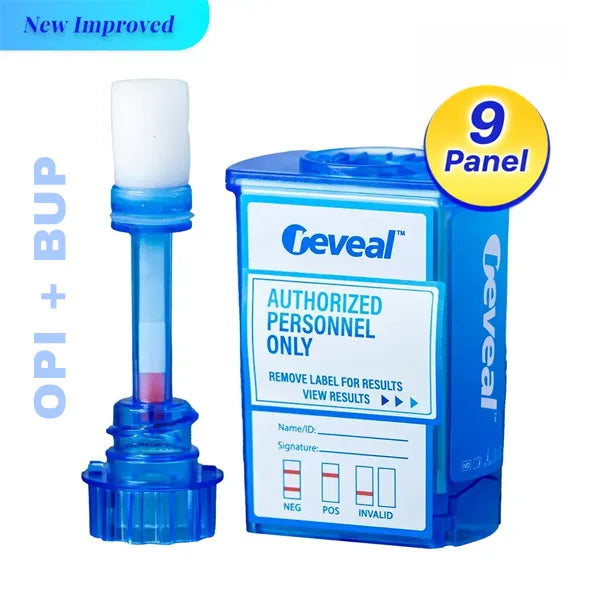
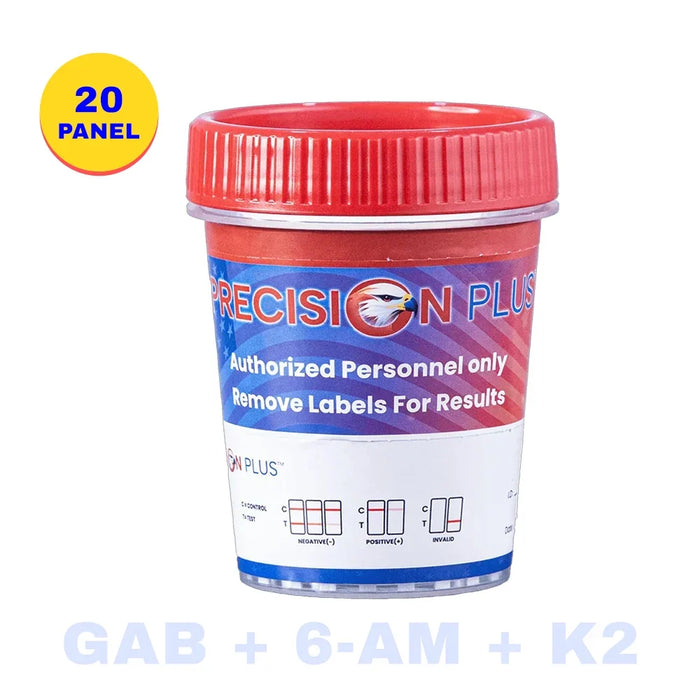
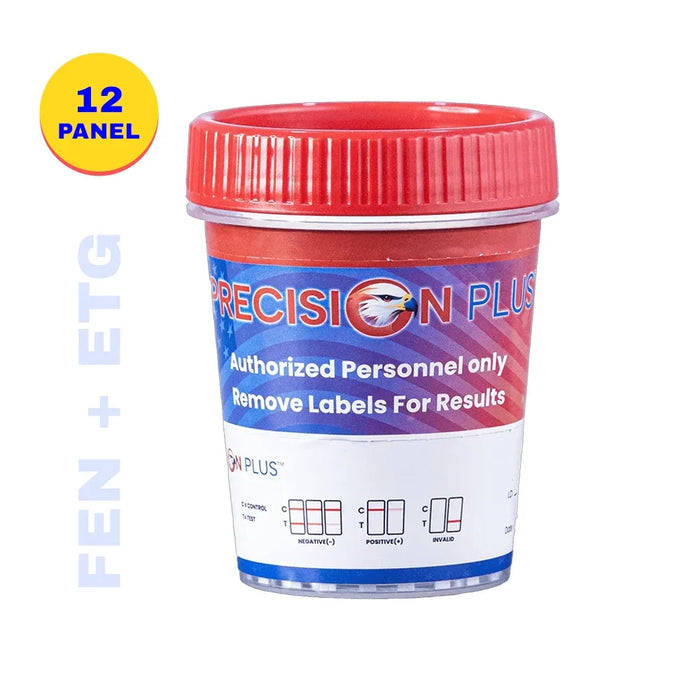
Employers and testing programs that need PCP screening cups, dip cards, or other panel configurations to support confirmation based workflows can review options in the drug test cup collection at American Screening Corporation.
This article is general information about drug testing science and is not legal or medical advice. Employers should consult qualified legal counsel and a Medical Review Officer for decisions about specific test results, and patients should direct medication questions to their prescribing clinician.