Quick answer: No. Poppers (alkyl nitrites such as amyl, butyl and isobutyl nitrite) do not show up on standard urine or oral fluid drug tests. They are not among the SAMHSA 5-panel drug classes, and no routine screening cutoff exists. Detection would require a specialized, non-standard laboratory request.
- Standard 5-, 10- and DOT panels do not include alkyl nitrites, so a negative result says nothing about popper use.
- Poppers are volatile and clear the body quickly, so there is no routine, validated cutoff in ng/mL.
- If inhalant use matters for your program, define it in policy and consult a laboratory before ordering any custom testing.
What the standard panels detect, and what they do not
Poppers are inhaled liquids sold as room odorizers, cleaners or nail-polish-remover-type products. NIDA classes them with inhalants (NIDA, DrugFacts: Inhalants). Federally regulated workplace testing covers a fixed list of drug classes under the HHS Mandatory Guidelines overseen by SAMHSA. Alkyl nitrites are not on that list.
Need drug tests for your clinic, program or workplace?
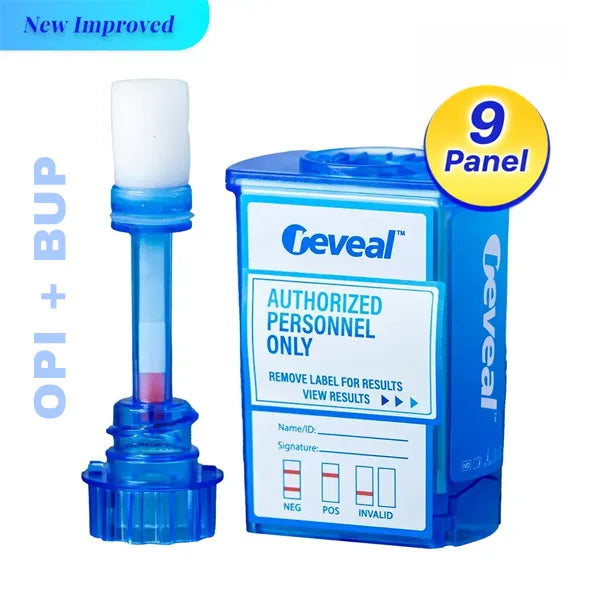
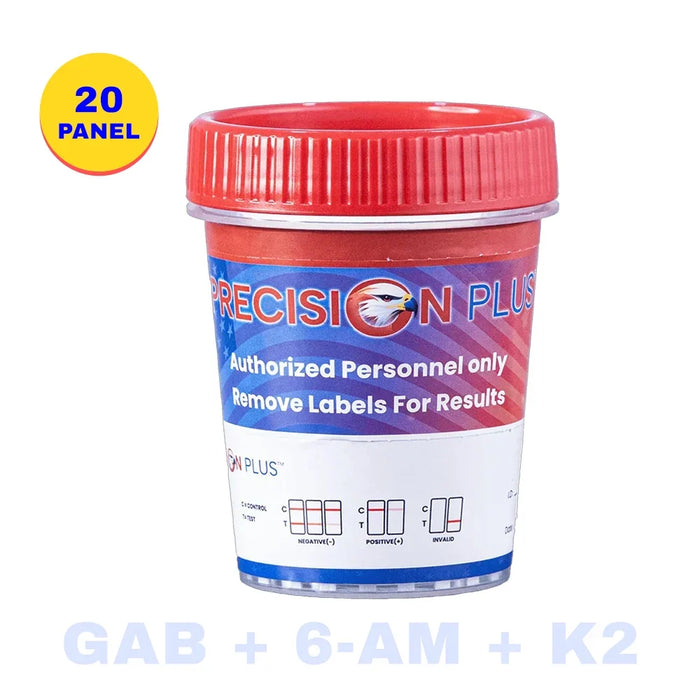
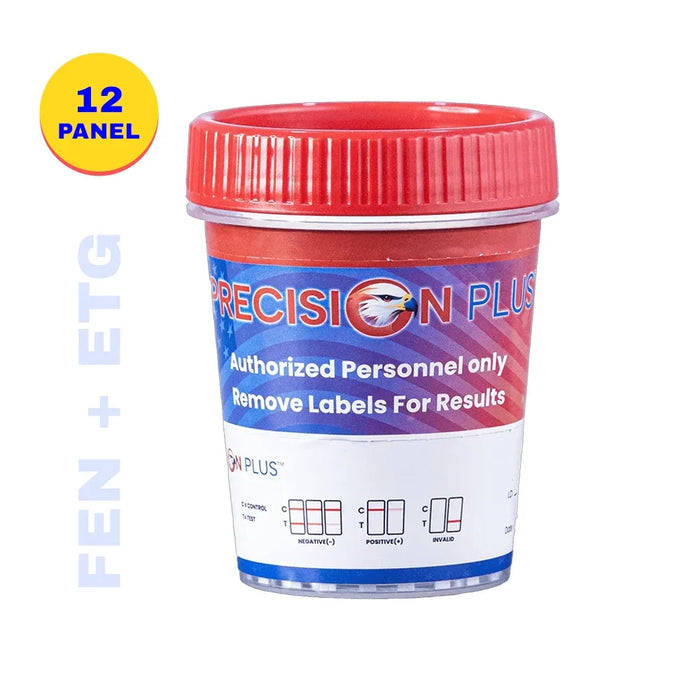
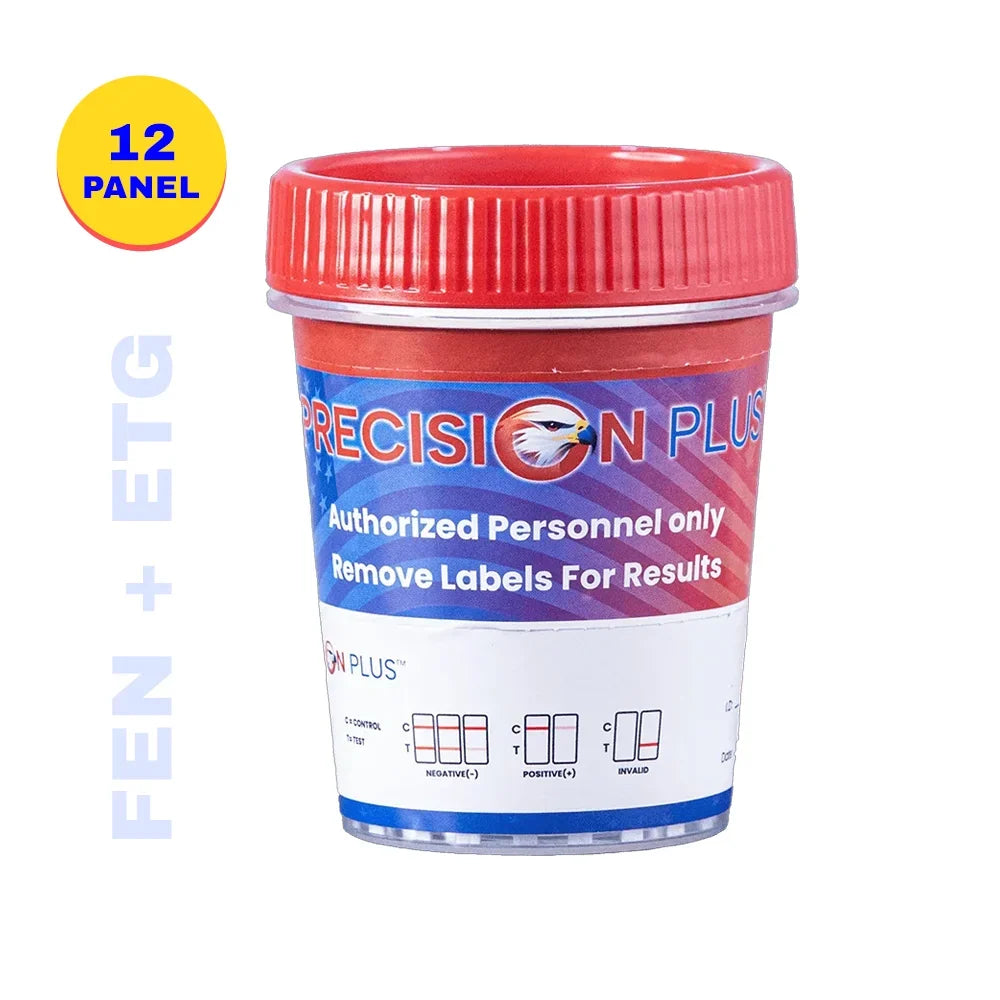
American Screening Corp has supplied FDA-cleared, CLIA-waived tests at wholesale pricing since 2004. Popular options:
Ordering 100+ tests? Request volume pricing.
The federal initial urine screening cutoffs for the classes that are covered are:
- Marijuana metabolite (THCA): 50 ng/mL
- Cocaine metabolite (benzoylecgonine): 150 ng/mL
- Codeine/morphine: 2,000 ng/mL
- Amphetamine/methamphetamine: 500 ng/mL
- Phencyclidine (PCP): 25 ng/mL
No comparable cutoff exists for any nitrite inhalant. A donor who used poppers can therefore test negative on every standard panel.
Why poppers are hard to detect
Alkyl nitrites evaporate quickly and break down rapidly in the body into compounds such as nitrite, nitrate and the parent alcohols. Nitrite and nitrate also come from food, water and medications, so they are poor markers of drug use. Rapid-test manufacturers do not build immunoassay strips for them, because there is no stable, specific target to build on.
Cups, dip cards and oral fluid
Instant urine drug test cups, dip cards and oral fluid devices detect only the drug classes printed on the device. Check the panel label and the package insert for the analytes and cutoff levels. None of the common configurations lists alkyl nitrites.
Laboratory confirmation
Lab confirmation (GC-MS or LC-MS/MS) confirms presumptive positives for listed drugs. It does not add poppers to a panel on its own. A lab would have to develop or offer a specific method, and results would lack the standardized cutoffs and defensibility of regulated panels. Ask your laboratory directly before relying on any such result in an employment or court decision.
Decision table: how to handle poppers in your testing program
| Situation | Does a standard panel catch poppers? | Practical option |
|---|---|---|
| DOT-regulated employee | No. DOT panels are fixed by regulation. | Follow 49 CFR Part 40. You cannot add substances to a DOT test. |
| Non-DOT employer, 5- or 10-panel | No | Rely on policy, reasonable-suspicion training and fitness-for-duty processes. |
| Treatment center or clinic | No | Pair testing with clinical assessment and self-report. |
| Court or probation | No | Consult the court and lab about whether any custom analysis is appropriate and defensible. |
Why this matters for buyers
The risk is a false sense of coverage. A negative result means only that the listed drug classes were below cutoff. Poppers also carry real health concerns: NIDA notes that inhalants can cause serious harm, and nitrites can interact dangerously with erectile dysfunction medications. For safety-sensitive roles, observed impairment and documented reasonable-suspicion procedures matter more than any urine result.
Checklist for program managers
- List the exact analytes and cutoffs (ng/mL) on every device you stock.
- Confirm that each product has the FDA clearance and CLIA-waiver documentation your use case requires.
- State in your written policy whether inhalants and non-panel substances are prohibited.
- Train supervisors in reasonable-suspicion documentation.
- Use only federally required panels for DOT-covered staff.
- Ask your lab in writing about any non-standard testing before ordering it.
- Keep a chain-of-custody process for any result you may need to defend.
- Pair testing with background screening where role requirements call for it, such as through Reveal Background.
Reading results correctly
- Check that the control line or validity indicator is present before reading anything else.
- Read each drug line within the time in the package insert.
- Record a presumptive positive and send the specimen for lab confirmation when policy requires it.
- Do not interpret a negative as proof of no inhalant use.
Our team supplies wholesale testing products to clinics, hospitals, treatment centers, courts, labs and staffing firms. If you need help matching panels to your policy, contact American Screening Corp.
Frequently asked questions
Does poppers show up on a standard urine drug test?
No. Standard 5-panel and 10-panel urine tests do not include alkyl nitrites, so poppers are not detected.
Can a lab test for poppers at all?
A specialized laboratory may be able to look for nitrite-related compounds, but there is no standard workplace cutoff, and results are hard to interpret because nitrites occur naturally in food and water.
Do DOT drug tests detect poppers?
No. DOT tests cover only the drug classes listed in 49 CFR Part 40, and alkyl nitrites are not among them.
How should employers address popper use?
Prohibit impairing substances in a written policy, train supervisors on reasonable-suspicion documentation, and use fitness-for-duty evaluations instead of relying on a drug panel.
Sources
- NIDA, DrugFacts: Inhalants
- SAMHSA, Workplace Drug Testing
- U.S. DOT, Office of Drug and Alcohol Policy and Compliance
This article is general information, not legal or medical advice.