Quick answer: No. Phenylephrine, a common decongestant, is not a target of standard urine or oral fluid drug tests, including the SAMHSA/DOT 5-panel. Cross-reactivity with amphetamine immunoassays is uncommon, and any presumptive positive should go to laboratory confirmation by GC-MS or LC-MS/MS, which distinguishes phenylephrine from amphetamine.
- Phenylephrine is not a controlled substance and is not on the federal 5-panel.
- It is structurally related to amphetamine-class compounds, so a false presumptive positive is possible but rarely reported.
- Confirmation testing, not the screening result, should drive any decision.
What standard tests actually detect
A federal-style 5-panel screens for marijuana metabolites (THC), cocaine metabolite, opiates, phencyclidine (PCP) and amphetamines (amphetamine and methamphetamine). Phenylephrine is not one of the analytes. Under the HHS Mandatory Guidelines used for DOT-regulated testing, the urine amphetamines initial test cutoff is 500 ng/mL, and the confirmatory cutoff is 250 ng/mL for amphetamine and for methamphetamine (methamphetamine also requires amphetamine at 100 ng/mL or more to be reported positive). Many instant screening devices use different screening cutoffs, commonly 500 or 1,000 ng/mL for amphetamines, so check the insert for your specific device.
Need drug tests for your clinic, program or workplace?
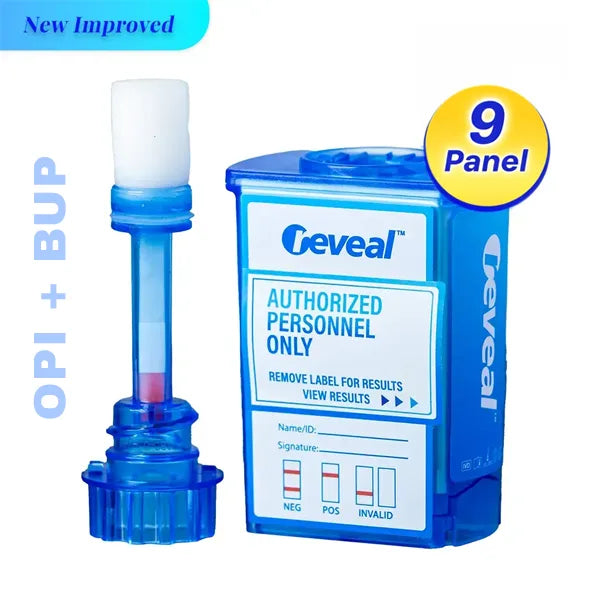
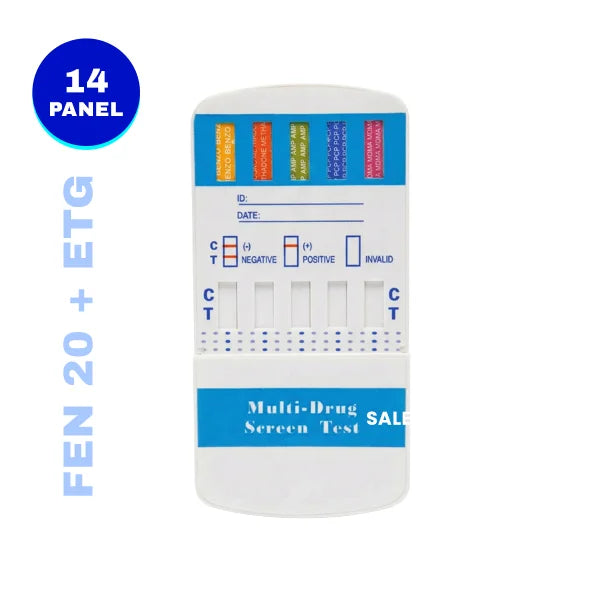
American Screening Corp has supplied FDA-cleared, CLIA-waived tests at wholesale pricing since 2004. Popular options:
Ordering 100+ tests? Request volume pricing.
Why the question comes up: cross-reactivity
Phenylephrine shares a phenethylamine backbone with amphetamine, ephedrine and pseudoephedrine. Immunoassay screens use antibodies that can bind similar molecules. Cross-reactivity reports in the literature involve mainly other sympathomimetics such as pseudoephedrine, ephedrine and phenylpropanolamine, and the effect depends on the antibody, concentration and device. Phenylephrine is rarely implicated, but no immunoassay is perfectly specific, so treat every screen as presumptive.
Why confirmation resolves it
Gas or liquid chromatography with mass spectrometry separates compounds by structure and mass. Phenylephrine produces a different result than amphetamine or methamphetamine, so a confirmed lab result will not report the decongestant as an amphetamine.
Decision table: how to handle a result
| Screening result | Donor reports phenylephrine use | Recommended action |
|---|---|---|
| Negative for all panels | Yes or no | Record as negative. No further action. |
| Presumptive positive, amphetamines | Yes | Send the specimen for lab confirmation. Do not act on the screen alone. |
| Presumptive positive, amphetamines | No | Send the specimen for lab confirmation and follow your policy. |
| Presumptive positive, other panel | Yes | Phenylephrine is not a known factor for that panel. Confirm and route to review. |
| Confirmed amphetamine or methamphetamine | Any | Refer to a Medical Review Officer (MRO) or qualified reviewer to assess prescriptions. |
Screening format considerations
Phenylephrine is an ingredient in many over-the-counter cold and sinus products, so donors often disclose it. Your collection format determines how quickly you can obtain a presumptive result and how you preserve the specimen for confirmation.
- Integrated cups: drug test cups collect and test in one step and keep the specimen in the cup for lab send-out.
- Dip cards: drug test dip cards are a lower-cost option for high-volume screening, with a separate collection container to retain for confirmation.
Whichever format you use, confirm that the device carries the FDA clearance and CLIA-waived status appropriate for your use. Request the documentation and the package insert, which lists analytes, cutoffs and known cross-reactants.
Reading a result: step by step
- Check specimen validity first: temperature within the expected range (typically 90 to 100 °F within four minutes of collection) and no signs of adulteration.
- Read the result window within the time stated in the insert. Ignore lines that appear after that window.
- A visible line in a test region, even faint, generally means negative for that drug. No line means presumptive positive.
- Confirm that the control line appeared. If not, the test is invalid, so repeat it with a new device.
- Seal and retain the original specimen for confirmation on any presumptive positive.
Checklist for clinics, employers and courts
- Ask donors to disclose medications on a confidential form, without making disclosure a condition of testing.
- Verify the amphetamine cutoff and the cross-reactivity list on each device insert.
- Treat all instant results as presumptive.
- Retain split or original specimens for lab confirmation.
- Use an MRO or qualified reviewer when a confirmed positive meets a claimed legitimate use.
- Document chain of custody for every collection.
- Apply the same policy to every donor to support consistency.
- For DOT-regulated testing, follow 49 CFR Part 40 and use only approved processes and laboratories.
Pairing drug screening with hiring decisions
Employers and staffing firms that use pre-employment testing often combine it with screening of candidate history. Our sister division, Reveal Background, provides employment background checks. Keep drug test results and background data in separate processes with the proper consent and notice documents.
FAQ
Does phenylephrine cause a positive on a 5-panel drug test?
It is not an analyte on the 5-panel, and reports of it triggering a positive are rare. A presumptive positive should still be confirmed by the lab.
Can phenylephrine cause a false positive for amphetamines?
It is structurally similar, so cross-reactivity is theoretically possible on some immunoassays. It is far less commonly reported than with pseudoephedrine or ephedrine, and confirmation testing rules it out.
Does phenylephrine show up on an oral fluid or hair test?
Standard oral fluid and hair panels target the same drug classes as urine tests and do not include phenylephrine. Cross-reactivity depends on the specific assay, so review the manufacturer's insert.
What should we do with a presumptive positive from a donor taking a cold medicine?
Send the specimen for GC-MS or LC-MS/MS confirmation. If a drug is confirmed, have an MRO or qualified reviewer evaluate any claimed legitimate use before taking action.
Sources
- SAMHSA: Workplace Drug Testing and Mandatory Guidelines
- U.S. DOT Office of Drug and Alcohol Policy: 49 CFR Part 40
- NIH/NCBI StatPearls: Phenylephrine
Need help choosing a format for your program? Contact American Screening Corp.
This article is general information, not legal or medical advice.