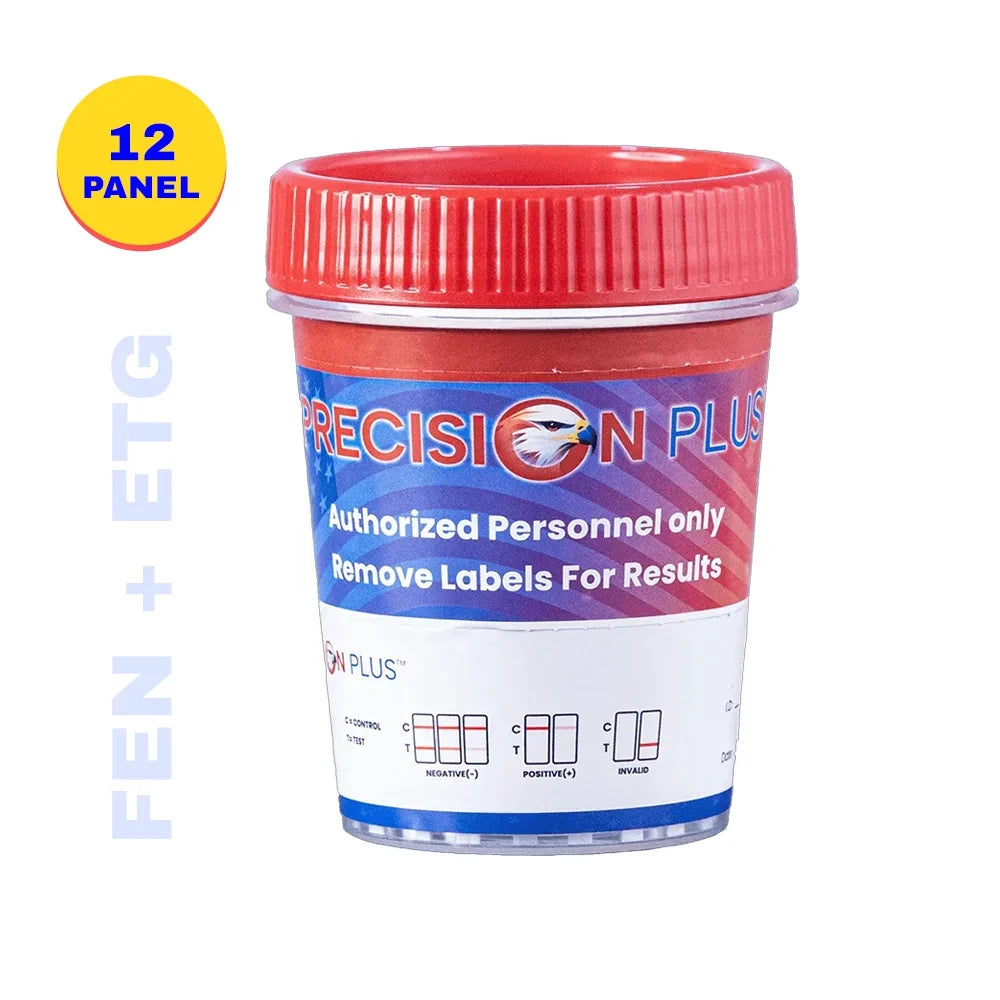
Quick answer: Standard 5-panel and 10-panel urine tests do not look for phentermine directly, but it can trigger a false-positive amphetamine screen on some immunoassay devices. A positive screen is only presumptive. Lab confirmation by GC-MS or LC-MS/MS can distinguish phentermine from amphetamine, and a Medical Review Officer verifies prescriptions.
- Phentermine is not a named analyte on common panels, but cross-reactivity with the amphetamine assay is possible.
- Every non-negative instant result needs confirmation before any adverse action.
- Document your cutoffs, your confirmation process and your prescription-review step in writing.
What the test actually detects
Phentermine is a Schedule IV prescription appetite suppressant that is chemically related to amphetamine (MedlinePlus, NIH: Phentermine). Immunoassay screens, including most instant urine cups and dip cards, use antibodies that detect a drug class rather than one molecule. Depending on the manufacturer's antibody, phentermine or its metabolites may cross-react with the amphetamine line, especially at higher concentrations or with heavy use.
Need drug tests for your clinic, program or workplace?
American Screening Corp has supplied FDA-cleared, CLIA-waived tests at wholesale pricing since 2004. Popular options:
Ordering 100+ tests? Request volume pricing.
Cutoff levels matter. Under the federal workplace program covered by 49 CFR Part 40, the urine initial test cutoff for amphetamines is 500 ng/mL, with a confirmatory cutoff of 250 ng/mL for amphetamine (eCFR, 49 CFR Part 40, Subpart F). Many non-regulated instant devices use a 1,000 ng/mL amphetamine cutoff instead. Always check the package insert for the exact cutoff, the calibrator, and the device's FDA and CLIA-waived status, since these vary by product.
Screen versus confirmation
The instant test is a screen. It tells you a sample is negative or presumptive positive. Confirmation uses gas or liquid chromatography with mass spectrometry, which identifies specific compounds by molecular signature. Phentermine and amphetamine are separable by that method, so a properly confirmed result will name what is actually in the specimen. Under SAMHSA-aligned programs, a lab-confirmed result then goes to an MRO who contacts the donor about legitimate prescriptions (SAMHSA, Workplace Drug Testing resources).
Detection window
Phentermine is generally detectable in urine for a few days after the last dose, though dose, urine pH, hydration, kidney function and duration of use change this. Treat any window as an estimate, not a guarantee, and avoid building policy on it.
Decision table: how to handle a result
| Scenario | What it means | Recommended action |
|---|---|---|
| Negative on amphetamine line | No amphetamine-class reactivity at the device cutoff | Record result; no further action |
| Presumptive positive, donor reports phentermine | Possible cross-reaction or true amphetamine use | Send to lab for confirmation; do not act on the screen alone |
| Presumptive positive, no prescription reported | Unknown source | Confirm at lab; route to MRO or clinical reviewer |
| Confirmed phentermine only, valid prescription | Medication use, not illicit amphetamine | MRO or clinician reports per your policy; consider safety-sensitive role fit |
| Confirmed amphetamine or methamphetamine | Not explained by phentermine | Follow your written policy and applicable law |
What this means for clinics, courts and employers
Programs that buy tests in bulk should select devices with documented cross-reactivity data and cutoffs that fit their purpose. A drug test cup offers integrated temperature strips and fast multi-panel reads, while a drug test dip card suits high-volume, lower-cost screening. Both are screens, so pair either with a lab confirmation pathway.
Treatment centers and probation offices often have clients on prescribed weight-loss medication. Build a medication disclosure step into intake so that a presumptive amphetamine result can be evaluated quickly and fairly. DOT-regulated employers must follow 49 CFR Part 40 and cannot substitute their own review process for MRO verification.
Program checklist
- Confirm the amphetamine cutoff (ng/mL) printed on each device's package insert.
- Verify FDA clearance and CLIA-waiver status for every lot you purchase.
- Train staff to read results within the stated time window and to avoid reading after it expires.
- Treat every non-negative as presumptive; send the specimen for GC-MS or LC-MS/MS confirmation.
- Use a split specimen or retain a sample whenever your protocol allows.
- Collect prescription information confidentially and route it to an MRO or qualified clinician.
- Write down your policy on prescribed stimulants and appetite suppressants for safety-sensitive roles.
- Keep chain-of-custody records for any result that may be contested.
- For hiring decisions, coordinate testing with your screening provider such as Reveal Background so timelines stay aligned.
Frequently asked questions
Does phentermine show up on a standard 10-panel drug test?
Not as its own line item. It is not a named analyte, but it may cross-react with the amphetamine test on some devices and cause a presumptive positive that requires confirmation.
Can lab confirmation tell phentermine from amphetamine?
Yes. GC-MS and LC-MS/MS identify compounds individually, so a confirmed report can show phentermine rather than amphetamine or methamphetamine.
How long does phentermine stay in urine?
Generally several days after the last dose, but dose, urine pH, hydration and metabolism change the window. Use it as a rough estimate only.
Should we take action on an instant test alone?
No. An instant result is presumptive. Confirm at a laboratory and use MRO or clinical review before any employment, treatment or legal decision.
Sources
- eCFR: 49 CFR Part 40, Procedures for Transportation Workplace Drug and Alcohol Testing Programs
- SAMHSA: Workplace Drug Testing
- MedlinePlus (NIH): Phentermine
Questions about device selection or confirmation workflows? Contact American Screening Corp.
This article is general information, not legal or medical advice.