Quick answer: Paxil (paroxetine) does not show up on standard urine drug tests. Five-panel screens detect amphetamines (500 ng/mL), cocaine metabolite (150), THC metabolite (50), opiates (2,000) and PCP (25), per SAMHSA, and paroxetine is not among them. American Screening Corp's FDA-cleared, CLIA-waived cups serve clinics, employers and courts; positives are preliminary and need lab confirmation.
- Paroxetine is an SSRI antidepressant, not a drug class on the SAMHSA 5-panel or the common 10- to 12-panel screens.
- Any screen can occasionally return an unexpected preliminary result, so every positive must be confirmed by GC/MS or LC-MS/MS laboratory testing.
- Do not take adverse action on a screen alone; document the medication disclosure, confirm at a lab, and route questions to a Medical Review Officer where your program requires one.
What does a standard drug test actually detect?
A standard urine immunoassay screen looks for specific drugs or their metabolites at set cutoff concentrations. The federal workplace panel is defined by the HHS Mandatory Guidelines published by SAMHSA. Paroxetine, sold as Paxil, is not one of its analytes.
Need drug tests for your clinic, program or workplace?
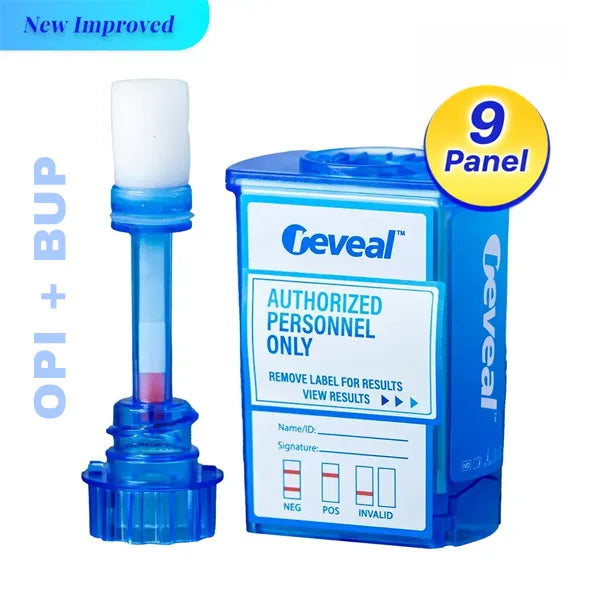
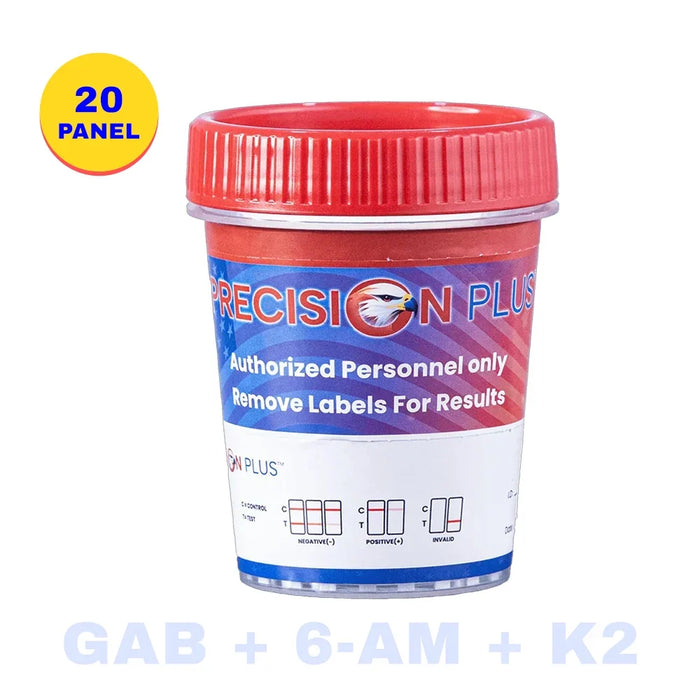
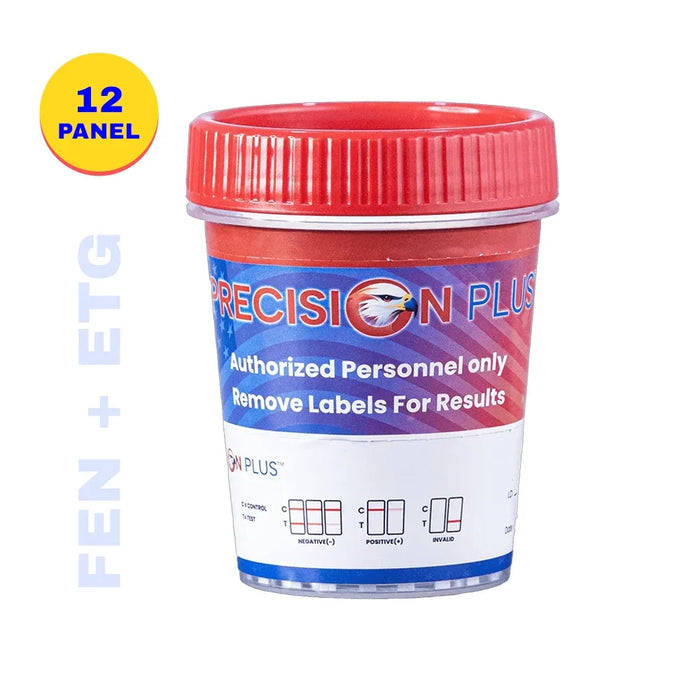
American Screening Corp has supplied FDA-cleared, CLIA-waived tests at wholesale pricing since 2004. Popular options:
Ordering 100+ tests? Request volume pricing.
Our drug test cups report on-site results for the drugs printed on the cup. If paroxetine is not printed on the device, the device is not testing for it.
Initial test cutoffs on the SAMHSA 5-panel (urine)
| Drug class | Initial cutoff (ng/mL) | Is paroxetine part of this class? |
|---|---|---|
| Amphetamines | 500 | No |
| Cocaine metabolite | 150 | No |
| Marijuana metabolite (THC) | 50 | No |
| Opiates (codeine/morphine) | 2,000 | No |
| Phencyclidine (PCP) | 25 | No |
Can Paxil cause a false positive?
Paroxetine is not a standard cause of a positive result. However, immunoassays work by antibody binding, and the FDA notes that some substances can cross-react with them. Certain other antidepressants have been reported to cross-react with specific assays, so a buyer should never assume a screen is infallible.
No screening test is 100% accurate. That is why the confirmation step exists. A preliminary positive is only a signal to send the specimen to a laboratory.
What we hear from buyers
Clinics and staffing firms often ask what to do when a donor discloses an antidepressant and the cup shows an unexpected line. The answer is procedural, not clinical: record the disclosure, preserve the specimen, and request laboratory confirmation. Do not guess at the cause.
How long does paroxetine stay in the body?
This matters less for screening than for medical review. MedlinePlus describes paroxetine as a prescription SSRI used for depression and anxiety-related conditions, and it is taken on an ongoing schedule under a prescriber's direction. Because standard panels do not target it, a detection window is not a screening concept for this drug. Questions about the medication itself belong with the prescriber.
What should a program do when a donor reports taking Paxil?
Use a consistent written procedure so every donor is treated the same way.
- Collect the specimen under your standard chain-of-custody or site procedure.
- Read the result at the time window printed in the device instructions, and no later.
- Record any medication the donor volunteers, without asking for diagnosis details.
- Label any non-negative result "preliminary; confirm by GC/MS or LC-MS/MS laboratory testing."
- Send the specimen to a laboratory and hold any decision until the confirmed result returns.
- Refer medication questions to a Medical Review Officer or the donor's prescriber.
Which test format fits your setting?
| Format | Best for | Note |
|---|---|---|
| Urine cup | Clinics, treatment centers, probation, employers | Integrated collection and multi-drug read in one device |
| Dip cards | High-volume sites and budget-sensitive programs | Same panel logic; requires a separate collection container |
| Laboratory confirmation | Every preliminary positive | GC/MS or LC-MS/MS gives the definitive answer |
Checklist: before you act on a result
- Confirm the panel printed on the device matches your policy.
- Verify the device is FDA-cleared and CLIA-waived for your use.
- Read within the stated time window and record the lot number.
- Write "preliminary" on every non-negative result.
- Send to a lab for GC/MS or LC-MS/MS confirmation.
- Document any disclosed medication without making clinical judgments.
- Follow your state statute and written policy before any employment or court action.
If you also screen candidates before hire, pair testing with a compliant check from our sister division, Reveal Background. To size a wholesale order, contact American Screening Corp in Shreveport, Louisiana; we ship nationwide.
Frequently asked questions
Does Paxil show up on a drug test?
No. Paxil (paroxetine) is not an analyte on the SAMHSA 5-panel or common 10- to 12-panel urine screens, so it does not trigger a positive by itself.
Can Paxil cause a false positive?
It is not a recognized cause on standard panels, but immunoassays can cross-react with some substances. Treat any positive as preliminary and confirm by GC/MS or LC-MS/MS.
Should donors disclose Paxil before testing?
Follow your written policy. Many programs let donors voluntarily list medications, which a Medical Review Officer can use when reviewing a confirmed result.
What confirms a positive screen?
Laboratory testing by GC/MS or LC-MS/MS. On-site cups and dips are screens only, and their positives are preliminary.
Sources
- SAMHSA: Mandatory Guidelines for Federal Workplace Drug Testing Programs
- FDA: Drugs of Abuse Tests
- MedlinePlus: Paroxetine
This article is general information, not legal or medical advice.