Quick answer: No. Omeprazole is not a target analyte on standard 5-panel to 12-panel urine drug tests, including DOT/HHS panels, so taking it as directed should not cause a positive. Rare cross-reactivity has been reported for the proton pump inhibitor class, so send any unexpected presumptive positive to lab confirmation.
- Omeprazole (Prescription and OTC acid reducer) is not on the HHS/SAMHSA federal panel.
- A presumptive positive from an immunoassay screen is not a final result until confirmed.
- Your protocol, not the donor's medication list alone, should decide when to confirm and when to involve a Medical Review Officer (MRO).
What Standard Drug Tests Actually Detect
Omeprazole treats acid reflux and ulcers by reducing stomach acid. It is not an opioid, stimulant, sedative or cannabinoid, and it is not a controlled substance. Common urine panels look for specific drug classes or their metabolites, and omeprazole is not among them.
Need drug tests for your clinic, program or workplace?
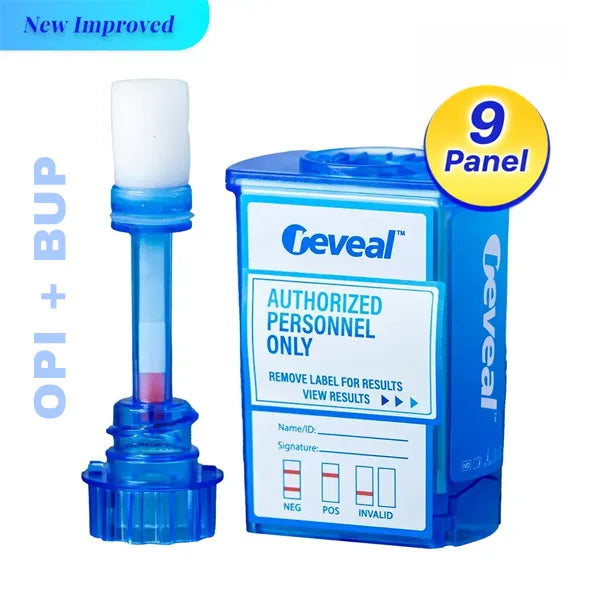
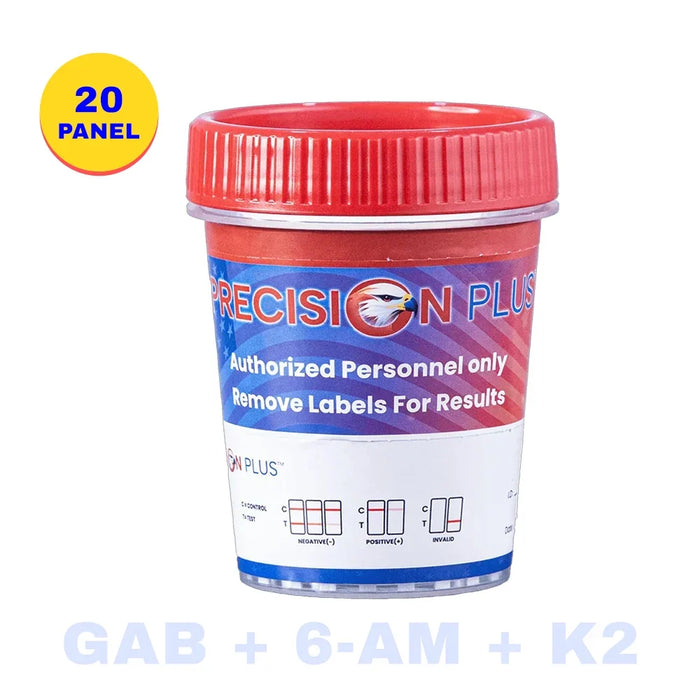
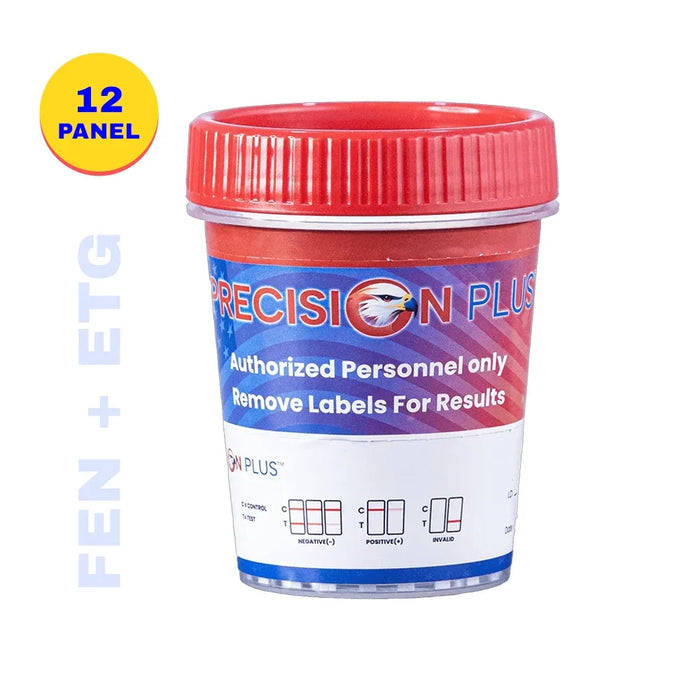
American Screening Corp has supplied FDA-cleared, CLIA-waived tests at wholesale pricing since 2004. Popular options:
Ordering 100+ tests? Request volume pricing.
The federal workplace panel under the HHS Mandatory Guidelines (SAMHSA) covers marijuana (THC), cocaine, opiates, amphetamines and phencyclidine (PCP). Expanded panels used by clinics and treatment programs add benzodiazepines, barbiturates, methadone, oxycodone, buprenorphine, fentanyl and others. None of these includes a proton pump inhibitor.
Federal Initial-Test Cutoffs for Urine
Initial screening cutoffs are set in ng/mL. The figures below reflect the HHS Mandatory Guidelines for urine; confirm current values on the SAMHSA workplace page before building a policy.
| Drug class | Initial test cutoff (ng/mL) | Is omeprazole a target? |
|---|---|---|
| Marijuana metabolite (THC-COOH) | 50 | No |
| Cocaine metabolite (benzoylecgonine) | 150 | No |
| Opiates (codeine/morphine) | 2,000 | No |
| Amphetamines | 500 | No |
| Phencyclidine (PCP) | 25 | No |
Can Omeprazole Cause a False Positive?
It is uncommon. Rapid tests are immunoassays: antibodies bind to a drug or its metabolite, and structurally similar compounds can occasionally cross-react. Case reports have linked another proton pump inhibitor, pantoprazole, to false-positive THC screens on some immunoassays. Evidence for omeprazole is thin, but the possibility is why a screen is only presumptive.
Cross-reactivity varies by manufacturer, lot and cutoff. A confirmation test by GC-MS or LC-MS/MS identifies the specific molecule and rules out a look-alike compound.
How Omeprazole Differs From Drugs That Do Trigger Screens
- Poppy seeds and some opioids: can produce true morphine or codeine findings.
- Prescription stimulants: can produce amphetamine positives that are legitimate but medically explained.
- Omeprazole: not a target, so any positive should be investigated as a different substance or an assay artifact.
Reading Results Step by Step
- Confirm the donor's identity and the collection was observed to your protocol.
- Check temperature and specimen validity within the collection window.
- Read the device within the manufacturer's stated time and do not read after the window closes.
- Treat any line pattern indicating a positive as presumptive only.
- Send the specimen for laboratory confirmation when a result is disputed or has consequences.
- For DOT-regulated tests, route verified positives through an MRO, who interviews the donor about medications.
Under 49 CFR Part 40, the MRO decides whether a legitimate medical explanation exists for a confirmed result. Employers should not make that call themselves.
Checklist for Clinics, Courts and Employers
- Document which panel you use and its cutoff concentrations.
- Choose devices whose labeling shows FDA clearance and CLIA-waived status where you rely on point-of-collection results. Verify this on each product's package insert.
- Train staff to record donor-reported medications, without making pass/fail decisions on that basis.
- Require lab confirmation before adverse action.
- Keep chain-of-custody forms with every specimen headed to a lab.
- Review your policy with counsel, since state laws differ.
Choosing Testing Supplies
If you screen at the point of collection, a multi-panel drug test cup gives temperature-checked, on-site results, while dip cards suit higher-volume or lower-cost screening. American Screening Corp supplies both, plus lab confirmation, to clinics, treatment centers, courts, probation offices and staffing firms. For help matching panels to your policy, contact our team.
Frequently Asked Questions
Does omeprazole show up on a standard urine drug test?
No. It is not a target analyte on 5-panel, 10-panel or 12-panel urine tests, so taking it as directed should not produce a positive.
Can omeprazole cause a false positive for THC?
It is unlikely. Some false-positive THC reports involve pantoprazole, another proton pump inhibitor. Any unexpected presumptive positive should be confirmed by GC-MS or LC-MS/MS.
Should a donor list omeprazole before a test?
For DOT tests, medication discussions occur with the MRO after a lab-confirmed positive, not at collection. Non-DOT programs should follow their written policy.
What should we do with an unexpected positive?
Treat it as presumptive, preserve the specimen, send it for laboratory confirmation, and avoid adverse action until confirmed results are reviewed.
Sources
- SAMHSA, Workplace Drug Testing (HHS Mandatory Guidelines)
- U.S. DOT, Office of Drug and Alcohol Policy and Compliance: 49 CFR Part 40
- MedlinePlus (NIH), Omeprazole
This article is general information, not legal or medical advice.