Does Nicotine Show Up on a Drug Test?
Not on a standard panel: common 5-panel, 10-panel and DOT drug tests do not look for nicotine. Nicotine appears only when a test specifically targets nicotine or its metabolite, cotinine, which is the basis of a nicotine drug test or cotinine test for employment.
Why Standard Panels Skip Nicotine
Standard workplace panels screen for controlled substances such as marijuana, cocaine, amphetamines, opiates and PCP. Nicotine is legal for adults and is not a federally regulated drug, so it is not part of DOT testing under 49 CFR Part 40. If you want it detected, it must be added deliberately.
What a Cotinine Test Measures
The body converts nicotine to cotinine, which lasts longer and is easier to detect. A cotinine test measures that metabolite and cannot by itself tell whether the source was cigarettes, vapes, pouches, gum or patches. That matters for programs that treat nicotine replacement therapy differently from tobacco use.
Cotinine Test for Employment: Where It Fits
Some employers, insurers and health programs test for cotinine to verify tobacco-free status or apply wellness-plan surcharges. Treatment centers and surgical or transplant programs may also use it to confirm abstinence. Most employers do not need it for safety-sensitive screening.
Detection Windows by Specimen
| Specimen | Typical cotinine window | Best for | Considerations |
|---|---|---|---|
| Urine | About 3-4 days, longer in heavy users | Pre-employment, program compliance | Cost-effective, widely available, can be done onsite or at a lab |
| Oral fluid (saliva) | About 1-4 days | Observed, quick collection | Less invasive, harder to adulterate |
| Blood | About 1-10 days | Clinical or insurance settings | Invasive and costlier |
| Hair | Up to about 90 days | Long-term history | Can reflect secondhand exposure; less common |
Windows vary with frequency of use, metabolism, hydration and the test cutoff. Treat these as ranges, not guarantees.
Screening vs. Confirmation
Instant tests give a fast presumptive result at the point of collection. Because cotinine can reflect secondhand smoke or nicotine replacement, a positive that drives a decision should go to lab confirmation. Confirmation also supports defensible records if a result is disputed.
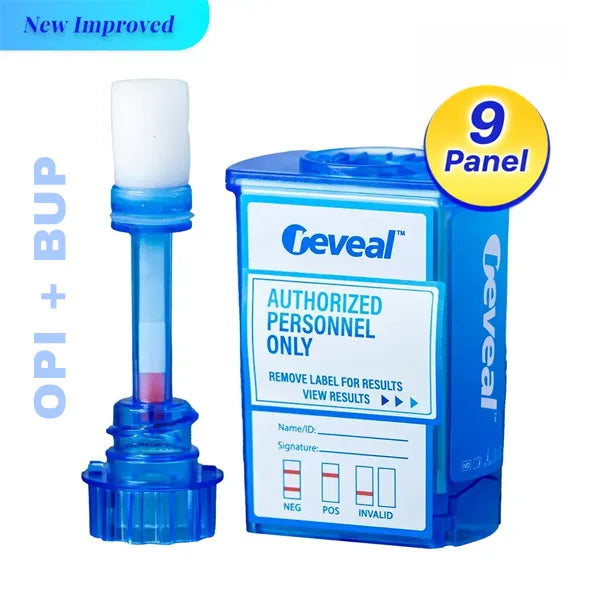
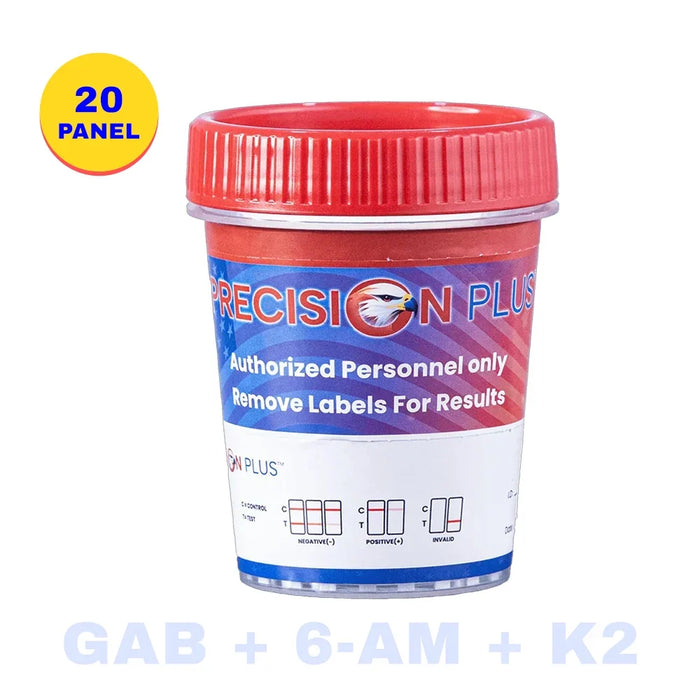
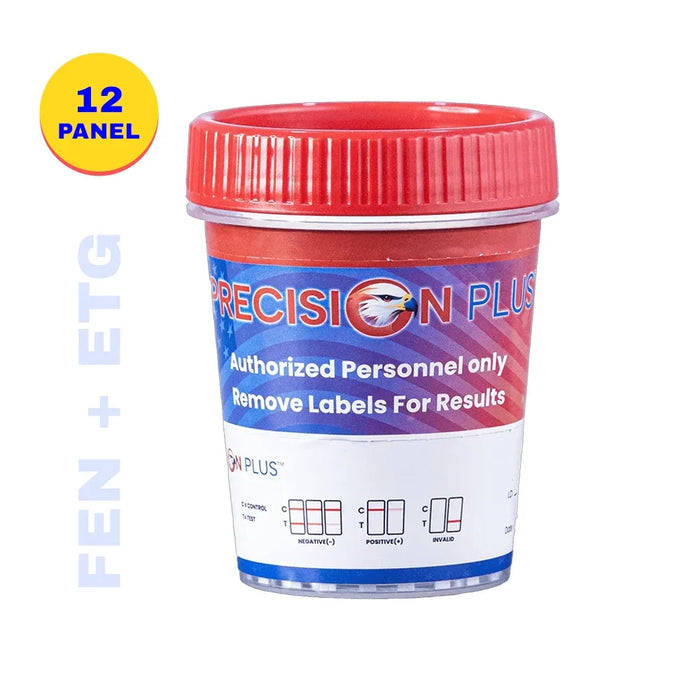
For onsite collection, many buyers start with urine drug testing cups, or choose oral fluid drug tests where observed collection is preferred. Confirm which analytes each product covers before ordering, since nicotine is not included in every format.
Policy and Legal Checklist
- Decide whether you truly need nicotine testing or only a standard drug panel.
- Check state law: many states restrict adverse action based on lawful off-duty tobacco use.
- Put the policy in writing and apply it consistently to all candidates in the role.
- Define how nicotine replacement therapy is handled.
- Specify the specimen type, cutoff and confirmation method.
- Keep results confidential and separate from personnel files where required.
- Review ADA and other applicable rules with counsel before rollout.
- Pair testing with verified identity and history through a screening partner such as Reveal Background, if you also need background checks.
Choosing the Right Approach
For safety-sensitive or DOT roles, stay with the required panel and skip nicotine. For wellness programs or clinical abstinence monitoring, add cotinine on urine or oral fluid with lab confirmation of positives. American Screening Corp supplies wholesale testing products and lab confirmation to clinics, courts, staffing firms and employers; you can contact our team to match supplies to your program.
FAQ
Does nicotine show up on a standard employment drug test?
No. Standard 5-panel and 10-panel tests, and DOT tests, do not include nicotine or cotinine unless specifically added.
How long does cotinine stay detectable?
In urine, usually about 3-4 days after last exposure, and longer for heavy or daily users. Hair can show use for roughly 90 days.
Can a cotinine test tell cigarettes from vaping or patches?
No. Cotinine indicates nicotine exposure from any source, so policies should address nicotine replacement and consider confirmation.
Can employers legally test for nicotine?
Often yes, but some states protect lawful off-duty tobacco use. Confirm local requirements with counsel before testing.
Sources
This article is general information, not legal or medical advice.