Quick answer: No. A standard 10-panel urine drug test does not screen for kratom. Its alkaloids, mitragynine and 7-hydroxymitragynine, are not among the drug classes on the panel. Detecting kratom requires a separate specialty test, usually LC-MS/MS at a laboratory, ordered in addition to the panel.
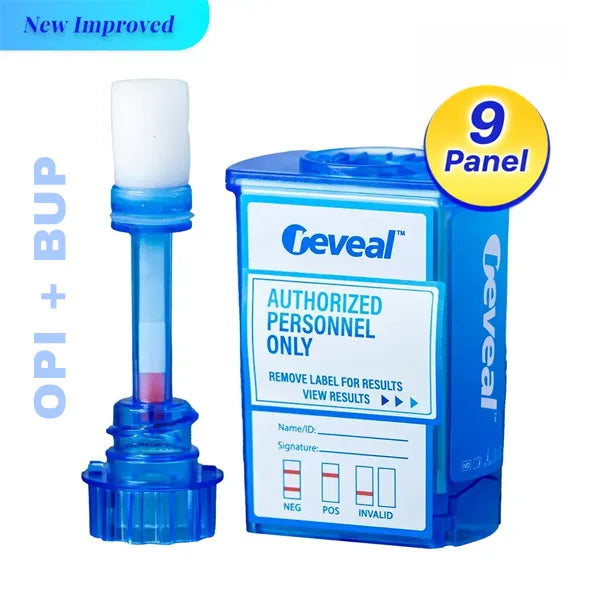
- Kratom is not on a standard 10-panel cup or dip card, and it does not cross-react as an opiate on routine screens.
- Labs can detect mitragynine with a specialty add-on test, but only if your program orders it.
- Decide on policy, consent and a confirmation process before you add kratom to any testing program.
What a 10-panel drug test actually detects
A 10-panel urine test checks for ten drug classes. Exact configurations vary by manufacturer, but a common layout covers amphetamines, methamphetamine, cocaine, marijuana (THC), opiates, phencyclidine (PCP), barbiturates, benzodiazepines, methadone, and either oxycodone, propoxyphene, MDMA or methaqualone. Always read the package insert for the specific device you buy.
Need drug tests for your clinic, program or workplace?
American Screening Corp has supplied FDA-cleared, CLIA-waived tests at wholesale pricing since 2004. Popular options:
- 10-panel drug test cups and dip cards
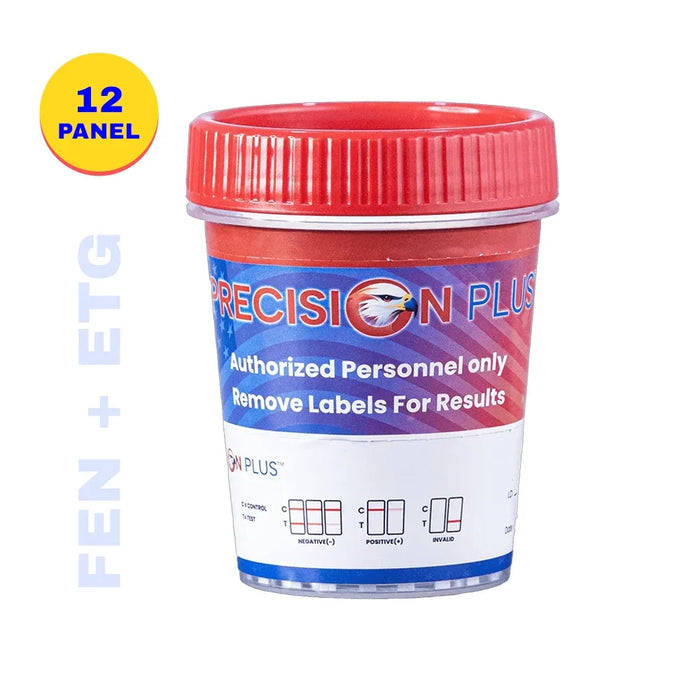
- 12-panel drug test cups
- all drug test cups (wholesale pricing)
Ordering 100+ tests? Request volume pricing.
Kratom (Mitragyna speciosa) is a plant whose main active alkaloids are mitragynine and 7-hydroxymitragynine. According to the National Institute on Drug Abuse, kratom acts on opioid receptors, but it is chemically distinct from opiates such as morphine and codeine. Immunoassay panels are built to bind specific drug structures, so kratom is not what the opiate test is looking for.
Typical cutoff levels (ng/mL)
Cutoffs differ by product. The table shows common values for urine screening devices, with the federal workplace (SAMHSA) initial test cutoffs shown where they apply. Confirm figures against your device insert.
| Panel analyte | Common screening cutoff (ng/mL) | Detects kratom? |
|---|---|---|
| Marijuana (THC metabolite) | 50 | No |
| Cocaine metabolite | 150 or 300 | No |
| Opiates (morphine) | 300 on many devices; 2,000 for federal workplace testing | No |
| Amphetamine / methamphetamine | 500 to 1,000 | No |
| PCP | 25 | No |
| Benzodiazepines | 200 to 300 | No |
| Barbiturates | 200 to 300 | No |
| Methadone | 300 | No |
| Specialty kratom test (mitragynine, lab LC-MS/MS) | Set by the laboratory | Yes, when ordered |
Why kratom matters for your testing program
Kratom is not federally scheduled, but the FDA states that it has not approved kratom for any medical use and has issued warnings about its safety. That creates a gap for programs that rely on a standard panel: an employee, client or probationer can use kratom and still pass a 10-panel screen.
Who asks about kratom testing
- Addiction-treatment centers monitoring clients who may substitute kratom for opioids.
- Courts and probation offices with abstinence conditions.
- Employers and staffing firms in safety-sensitive roles with a written substance policy.
- Clinics and hospitals that need a complete picture of a patient's use.
How to detect kratom when you need to
Step 1: Confirm the policy
Your written policy and consent forms should name kratom, or say that the program may test for any substance, before you order the test. Federally regulated DOT testing follows a fixed drug panel and does not include kratom, so do not add it to a DOT test. Handle any kratom testing separately as non-DOT.
Step 2: Run the standard screen first
Use a reliable multi-panel device for the routine screen. Browse drug test cups for integrated cups with temperature strips and adulterant checks, or drug test dip cards for lower-cost, high-volume screening.
Step 3: Add a laboratory kratom test
Collect a split or additional specimen and send it to a laboratory that offers mitragynine testing. Ask the lab about its method, reporting threshold and turnaround time. Lab results rely on mass spectrometry, which is more specific than an instant screen.
Step 4: Read and document results
- Check specimen temperature and validity at collection.
- Read the instant panel at the time stated in the insert, and ignore lines that appear after that window.
- Treat any non-negative instant result as presumptive until a laboratory confirms it.
- Record chain of custody, lot number and expiration date.
Checklist: before adding kratom to your program
- Written policy names kratom or all substances.
- Consent forms signed before collection.
- Lab selected, with its method and thresholds documented.
- Standard panel device lot numbers and expiration dates recorded.
- Medical review process in place for disputed results.
- Separate handling for any DOT-regulated tests.
- Legal counsel has reviewed state and local rules.
- Background screening, such as through Reveal Background, coordinated with your testing policy.
Questions about matching a device to your program? Contact American Screening Corp to discuss wholesale supplies and lab confirmation options.
Limits to keep in mind
The detection window for kratom is short and depends on dose, frequency and individual metabolism. A negative lab result does not rule out past use. Instant tests cannot show impairment, only the presence of a substance. Rely on lab confirmation and documented observation for any adverse decision.
Frequently asked questions
Does kratom show up on a 10-panel drug test?
No. The standard ten drug classes do not include kratom's alkaloids, so a normal 10-panel screen will not flag it.
Can kratom cause a false positive for opiates?
Kratom acts on opioid receptors but is structurally different from morphine and codeine, so routine opiate screens are not designed to detect it. Treat any presumptive positive as unconfirmed until a lab verifies it.
What test detects kratom?
A specialty laboratory test, typically LC-MS/MS, that identifies mitragynine in urine. It must be ordered separately from the standard panel.
Is kratom included in DOT drug testing?
No. DOT-regulated testing uses a fixed federal panel that does not include kratom. Any kratom testing must be done as a separate, non-DOT program under your own policy.
Sources
- National Institute on Drug Abuse: Kratom
- U.S. Food and Drug Administration: FDA and Kratom
- SAMHSA: Workplace Drug Testing Resources
This article is general information, not legal or medical advice.