Quick answer: No. Ketamine is not part of a standard 10-panel urine drug test, which typically screens for drug classes such as amphetamines, cocaine, opiates, benzodiazepines and THC. Detecting ketamine requires a dedicated ketamine (KET) test strip or a lab panel, commonly screened at a 1,000 ng/mL cutoff, with confirmation by LC-MS/MS or GC-MS.
- A standard 10-panel does not include ketamine; it must be added as a separate analyte or tested through a lab.
- Ketamine is also absent from the federal 5-panel used for DOT-regulated testing.
- A presumptive positive on any rapid test should go to laboratory confirmation before action is taken.
What a 10-panel drug test actually detects
There is no single legal definition of a 10-panel, so the drugs listed vary by manufacturer. Most urine 10-panels cover a mix of the following: amphetamines, methamphetamine, cocaine, opiates, oxycodone, benzodiazepines, barbiturates, methadone, PCP and THC (marijuana). Some versions swap in MDMA, buprenorphine or propoxyphene. Ketamine is rarely on the list.
Need drug tests for your clinic, program or workplace?
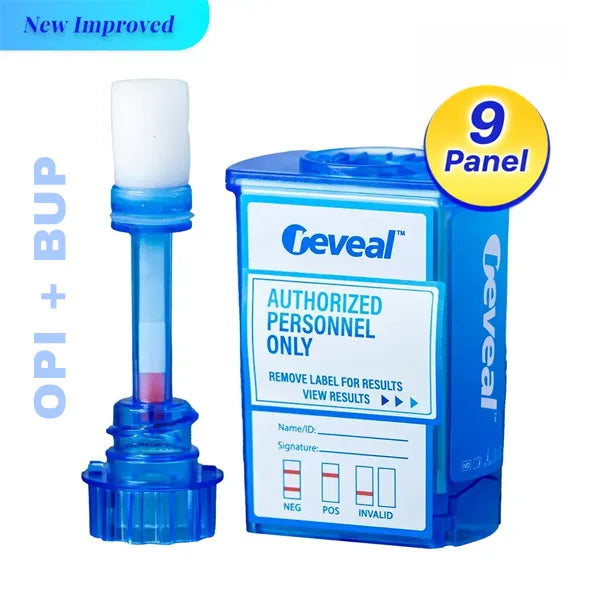
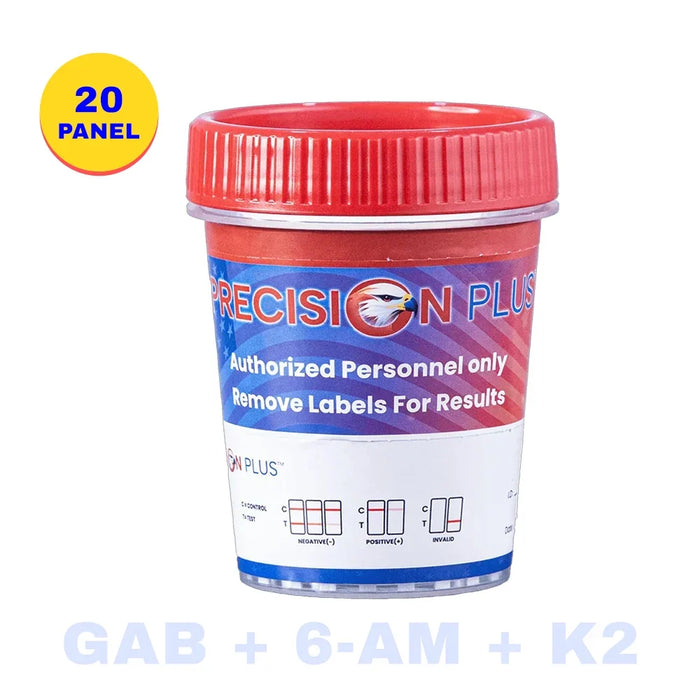
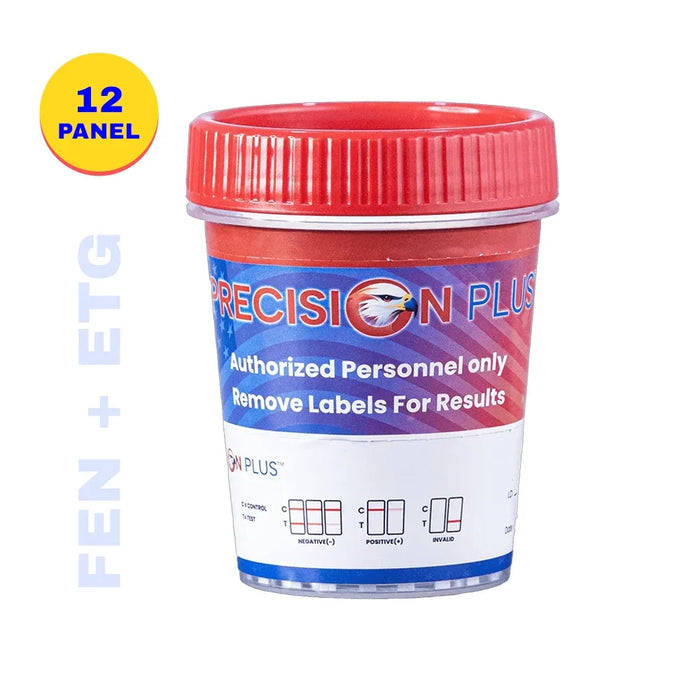
American Screening Corp has supplied FDA-cleared, CLIA-waived tests at wholesale pricing since 2004. Popular options:
- 10-panel drug test cups and dip cards
- 12-panel drug test cups
- all drug test cups (wholesale pricing)
Ordering 100+ tests? Request volume pricing.
Because configurations differ, always read the product insert and the printed analyte list on the device before assuming anything is covered. Ketamine is a dissociative anesthetic and a Schedule III controlled substance under the Controlled Substances Act (DEA), but it is not a federally mandated workplace analyte.
Ketamine and the federal panels
The HHS Mandatory Guidelines, which govern federal workplace and DOT testing, cover a 5-panel: marijuana, cocaine, amphetamines, opioids and PCP. Ketamine is not among them, so a DOT-compliant collection and lab result will not report it.
How ketamine is detected when you need it
If your program has a reason to screen for ketamine, such as a treatment center, a probation program or a clinic monitoring a prescribed or clinic-administered course, you have three options:
- Add-on ketamine strip or integrated cup: a rapid immunoassay that targets ketamine, usually with a screening cutoff of 1,000 ng/mL in urine. Cutoffs differ by manufacturer, so verify yours.
- Laboratory panel: a send-out test that screens for ketamine and its metabolite norketamine, with confirmation by GC-MS or LC-MS/MS. Confirmation cutoffs are set by the lab.
- Oral fluid or other specimens: available through some labs, with different windows and cutoffs.
Detection window
Ketamine clears quickly. In urine it is generally detectable for roughly one to three days after use, and possibly longer after heavy or repeated use or with impaired kidney function. Treat these as general ranges, not guarantees.
Comparison: which test covers ketamine?
| Test type | Detects ketamine? | Typical use | Decision note |
|---|---|---|---|
| Standard 10-panel urine cup | No (not in most configurations) | Pre-employment, clinic intake, probation | Check the analyte list on the device |
| Federal/DOT 5-panel | No | Regulated safety-sensitive roles | Ketamine cannot be added to DOT testing |
| Cup or strip with ketamine add-on | Yes, presumptive | Treatment, monitoring programs | Confirm positives at a lab |
| Lab panel with LC-MS/MS or GC-MS | Yes, definitive | Confirmation, legal defensibility | Slower and costlier than rapid tests |
How to read and act on results
- Confirm the cup or card lists ketamine (KET) before collection.
- Read the result within the time window in the instructions, and discard anything read outside it.
- A line in the test region means negative; no line in the ketamine region means a presumptive positive. Any faint line counts as a line.
- Record the lot number and expiration date.
- Send presumptive positives for laboratory confirmation and review prescribed or clinic-administered use with a qualified reviewer before any adverse action.
FDA and CLIA considerations
Rapid urine tests are regulated as in vitro diagnostic devices. Clearance and CLIA-waived status are specific to the product and the analytes it was reviewed for, so ask the supplier for documentation covering ketamine specifically. Do not assume a clearance for the standard drugs extends to an add-on analyte.
Buyer checklist: choosing a test that covers ketamine
- Define why you are testing for ketamine and whether it is policy-justified.
- Confirm the exact analyte list and ng/mL cutoffs on the insert.
- Request FDA and CLIA documentation for each analyte you rely on.
- Decide whether a presumptive result needs lab confirmation (it usually should).
- Check adulterant and temperature strips for observed or unobserved collections.
- Write the policy to address legitimate medical use, such as clinic-administered ketamine therapy.
- Train collectors on read times and documentation.
Sourcing the right supplies
American Screening Corp supplies clinics, treatment centers, courts, labs and employers with wholesale testing products. If you need a configurable panel, start with our drug test cups, or choose dip cards for a lower-cost option. If you need a particular analyte mix such as ketamine, contact our team to discuss what is available. Employers pairing testing with screening can also look at Reveal Background, our sister division for employment background checks.
Frequently asked questions
Does ketamine show up on a standard 10-panel drug test?
No. Standard 10-panels do not include ketamine. A separate ketamine test or lab panel is needed.
Is ketamine part of a DOT drug test?
No. DOT testing follows the HHS 5-panel of marijuana, cocaine, amphetamines, opioids and PCP.
What is the cutoff for a ketamine urine test?
Rapid ketamine screens commonly use 1,000 ng/mL, but cutoffs vary by manufacturer. Lab confirmation cutoffs are set by the laboratory.
How long is ketamine detectable in urine?
Generally about one to three days, and longer with heavy or repeated use. Individual factors change the window.
Sources
- SAMHSA: Workplace Drug Testing and Mandatory Guidelines
- U.S. DOT Office of Drug and Alcohol Policy and Compliance
- DEA: Ketamine Drug Fact Sheet
This article is general information, not legal or medical advice.