Jornay PM is a prescription stimulant used to treat ADHD, but it does not work like most stimulant medications. Instead of being taken in the morning, it is taken in the evening and releases its active ingredient, methylphenidate, on a delay so the effect is present the next day. That unusual dosing schedule raises a reasonable question for anyone who takes it and faces a workplace or pre employment drug screen: does Jornay PM show up on a drug test, and does the timing of the dose change what a lab or an employer sees.
The short answer is that Jornay PM can be detected, but not by the test most employers actually use. Jornay PM contains methylphenidate, which is chemically distinct from amphetamine and methamphetamine. Routine amphetamine immunoassay panels are built to flag amphetamine type stimulants, and methylphenidate generally does not trigger them. Detecting methylphenidate specifically requires either a dedicated methylphenidate immunoassay strip or laboratory confirmation testing. This article explains the drug, the panels, the timing question created by evening dosing, and how a legitimate prescription should be handled through the medical review officer process.
What Jornay PM actually is
Jornay PM (methylphenidate hydrochloride extended release capsules) is a Schedule II controlled substance under federal law, the same schedule that covers other methylphenidate products such as Ritalin and Concerta, as listed in the Drug Enforcement Administration's controlled substance schedules and codified at 21 CFR 1308.12. What sets Jornay PM apart is its delivery technology. According to the product's official labeling on DailyMed, Jornay PM is meant to be taken only in the evening, with dosing adjusted between 6:30 p.m. and 9:30 p.m., and it is not approved for morning dosing.
The labeling describes a built in absorption delay. After an evening dose, no more than 5 percent of the total drug reaches the bloodstream within the first 10 hours. Absorption then rises to a single peak with a median time to maximum concentration of about 14 hours after dosing, which for a typical 8 or 9 p.m. dose lands somewhere in the following morning. In plain terms, the capsule is designed to sit before releasing methylphenidate overnight so the medication is active when the person wakes up and goes about the school or work day, rather than peaking at bedtime like an immediate release tablet would.
Why a standard amphetamine panel usually misses it
Most pre employment and workplace urine cups use an immunoassay screen built around antibody targets for amphetamine and methamphetamine. Methylphenidate has a different core chemical structure (it is a piperidine derivative, not a phenethylamine like amphetamine), and it is generally not included in the cross reactivity profile of standard amphetamine immunoassays. That means a person taking Jornay PM as prescribed would not typically be expected to screen positive on a routine 5 panel or 10 panel amphetamine test simply because they took their evening dose.
This is consistent with how federal workplace drug testing programs are structured. The Substance Abuse and Mental Health Services Administration maintains the standards that federal workplace programs follow, including the approved analyte panels and certified laboratory requirements, described on its drug-free workplace program resources page. Methylphenidate is not one of the standard analytes in the federal 5 panel, and it is not reported as an amphetamine class finding on a certified laboratory report. An employer using a private sector panel modeled on the federal standard would generally see the same result: no flag from methylphenidate under the amphetamine group, unless the specific panel configuration includes a methylphenidate analyte.
What would actually detect methylphenidate
Detection is possible, just not through the amphetamine screen. Two paths exist.
| Method | What it targets | Detects methylphenidate from Jornay PM? |
|---|---|---|
| Standard amphetamine immunoassay (point of care cup or dip card) | Amphetamine and methamphetamine structural class | Generally no, limited to no credible cross reactivity reported for methylphenidate |
| Dedicated methylphenidate immunoassay strip, where offered | Methylphenidate and its major metabolite, ritalinic acid | Yes, if that specific strip is part of the panel ordered |
| Laboratory confirmation (GC/MS or LC/MS/MS) | Specific named analytes requested by the ordering program | Yes, if methylphenidate or ritalinic acid is one of the analytes the lab is asked to confirm |
In practice, an employer or clinic that wants to confirm methylphenidate use, for example in a monitoring program or a pediatric or adult ADHD treatment setting, has to specifically order a methylphenidate analyte, either as a point of collection strip built for that drug or as a named target in laboratory confirmation. A generic amphetamine cup will not report it, and a lab will not go looking for methylphenidate unless it is on the requested test menu. This is also why a screening immunoassay result should never be treated as a final answer by itself. Immunoassays are designed to be sensitive, not perfectly specific, and any presumptive positive result for any analyte should route to confirmation testing before any employment decision is made.
Does the evening dosing change the detection window seen on a morning test
Because Jornay PM is dosed at night and absorbs on a delay, methylphenidate and its metabolite can still be present in urine the next morning, which is when most collections happen. The pharmacokinetic delay changes when the drug peaks in the body, not whether it eventually shows up in urine if someone orders a methylphenidate specific test. If a methylphenidate analyte is part of the panel, a sample collected in the morning after an evening dose is a normal, expected time to find it, consistent with the absorption curve described in the DailyMed labeling. This is a pharmacology detail, not a basis for guessing at exact detection windows for an individual person, since dose, metabolism, and timing all vary.
The medical review officer process is how this gets resolved
Any question about a legitimate prescription belongs in the verification step, not in a snap judgment at the collection site. In testing programs that use a medical review officer (MRO), a certified physician reviews any non negative laboratory result before it is reported to the employer, and the regulations governing that review for the federal transportation testing program are published at 49 CFR Part 40. The MRO contacts the individual, asks about current prescription medications, and may request documentation from the prescribing provider. A verified, current prescription for Jornay PM, matched to a result that is consistent with that medication, is the kind of information an MRO is specifically positioned to evaluate. Employers that use a confirmation and MRO process, rather than acting on a screening result alone, reduce the risk of treating a prescribed medication as a policy violation.
Employees and applicants who take Jornay PM should keep their prescription information available and be prepared to provide it if asked, through whatever channel their employer's program uses for medical and prescription verification. This article is not medical advice and is not a substitute for talking with a prescribing provider about dosing or treatment questions.
What this means for employers building a testing program
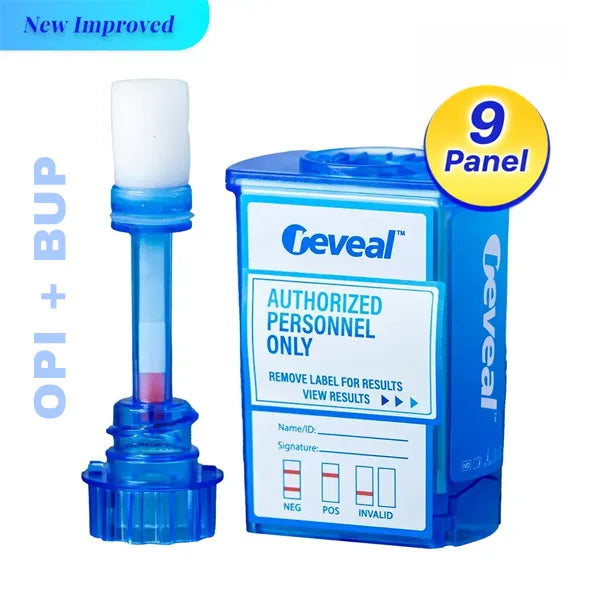
Programs that include prescription stimulants in their screening consideration should decide up front which analytes they actually want on the panel. Ordering a standard amphetamine immunoassay will not reliably surface methylphenidate use, so if a program has a specific reason to monitor for methylphenidate, such as a diversion control or safety sensitive monitoring context, the panel needs to include a methylphenidate specific component or a lab confirmation request naming that analyte. Programs that rely on a general amphetamine cup should not expect it to catch methylphenidate products, and should not assume a negative amphetamine screen means no stimulant medication is present. American Screening Corporation supplies cups, dip cards, and oral fluid devices with a range of panel configurations, and an organization's drug testing program administrator or the collection site should confirm exactly which analytes are on a given device before relying on it for a specific use case. Employers that need program volume can review options through the drug test cup collection or the wholesale ordering portal at wholesale.americanscreeningcorp.com.
Readers comparing this to other ADHD medications may also find these related guides useful: Does Concerta Show Up on a Drug Test? and Does Focalin Show Up on a Drug Test?, both of which cover other methylphenidate class medications and how panels treat them.
Frequently asked questions
Does Jornay PM show up on a standard amphetamine drug test?
Generally no. Jornay PM contains methylphenidate, which is structurally different from amphetamine and methamphetamine, and there is limited to no credible evidence that it cross reacts with standard amphetamine immunoassay screens. Detecting it requires a methylphenidate specific strip or laboratory confirmation that names methylphenidate as an analyte.
What drug class does Jornay PM belong to for testing purposes?
Jornay PM is methylphenidate, a Schedule II controlled substance, as listed under 21 CFR 1308.12. It is not an amphetamine salt, even though both drug classes are prescribed for ADHD.
Because Jornay PM is taken at night, will a morning drug test miss it?
Not necessarily. The medication's labeling on DailyMed describes a delayed absorption curve that peaks roughly 14 hours after an evening dose, which generally falls the next morning. If a methylphenidate specific test is used, a morning sample is a normal time for it to be present.
What should happen if someone taking Jornay PM gets a non negative drug test result?
Any non negative screening result should go to laboratory confirmation and, in programs that use one, review by a medical review officer under the process described at 49 CFR Part 40. The MRO can verify a current, legitimate prescription before any result is reported to an employer.
Can an employer require someone to stop taking Jornay PM because of a drug testing policy?
Employers should not make medical treatment decisions. A legitimate prescription is generally handled through the MRO or medical review process, and employers may be able to request documentation but should consult legal counsel before taking any adverse action tied to a verified prescription medication.
Is Jornay PM the same as Adderall for drug testing purposes?
No. Jornay PM is methylphenidate, while Adderall is a mixed amphetamine salt. They belong to related but chemically distinct stimulant families, and standard amphetamine immunoassay panels are built around the amphetamine and methamphetamine structure, not methylphenidate.
This article is general information about drug testing science and workplace process, not medical or legal advice. Anyone with questions about a specific medication, dose, or test result should talk with their prescribing provider, their testing program's medical review officer, or legal counsel.