Ginkgo biloba is one of the most widely used herbal supplements in the United States, taken for memory support, circulation, and general cognitive wellness. If you take it and your employer has scheduled a drug screen, the short answer is that ginkgo biloba is not a controlled substance, is not metabolized into any compound a workplace panel is designed to detect, and is not listed as a target analyte on any standard immunoassay or laboratory confirmation test used in employment testing.
That said, employees who take any supplement before a test often want to understand how the testing process works, what a screen is actually looking for, and why a product bought over the counter does not translate into a flagged result. This article explains the science, the testing process, and the one safety consideration that matters more than drug testing: ginkgo's effect on bleeding risk.
What a standard workplace drug panel actually screens for
Most employment drug tests, whether urine cups, oral fluid tests, or dip cards, are built around a short list of drug classes rather than a broad scan for every chemical in a person's system. The federal model for these panels comes from the Department of Health and Human Services mandatory guidelines for federal workplace drug testing programs, published through the Federal Register, which define the analytes and cutoff concentrations used across regulated testing. That rule sets out the drug classes the federal five panel and expanded panels are designed to catch, generally amphetamines, cocaine metabolites, marijuana metabolites (THC), opiates, and phencyclidine (PCP), with expanded panels adding classes such as benzodiazepines, barbiturates, or synthetic opioids depending on the program.
For transportation employees subject to federal testing, the applicable procedures and the list of drugs and drug metabolites covered are set out in 49 CFR Part 40, which governs specimen collection, laboratory analysis, and the medical review officer process for DOT regulated testing. 49 CFR Part 40 does not list ginkgo biloba, or any other common herbal supplement, as an analyte. A private employer running a non-DOT program typically models its panel on the same drug classes, though the exact menu is a program design choice made with the testing lab, not a federal mandate outside of DOT covered positions.
Ginkgo biloba is not a controlled substance under the Controlled Substances Act, is not an opioid, stimulant, benzodiazepine, or cannabinoid, and does not share a metabolic pathway with any of the drug classes above. There is no published cross reactivity evidence showing that ginkgo biloba extract or its active compounds trigger a positive result on an immunoassay screen for any of these panels.
Screening immunoassay versus lab confirmation
It helps to understand that a workplace drug test usually happens in two stages. The first stage is a rapid immunoassay screen, the kind of cup or dip card test used at the point of collection, which uses antibodies designed to bind to a specific target drug or drug metabolite. These antibodies can occasionally bind to a chemically similar molecule from an unrelated substance, which is what people mean when they talk about a false positive from cross reactivity.
The second stage, used when a screen comes back non negative, is laboratory confirmation by gas chromatography mass spectrometry (GC/MS) or liquid chromatography mass spectrometry (LC/MS). Confirmation testing identifies the exact molecule present, not just a class of similar molecules, so it resolves screening level cross reactivity questions definitively. Because ginkgo biloba's active constituents (flavonoids and terpene lactones known as ginkgolides and bilobalide) are structurally unrelated to the drug classes above, there is no documented pathway for a ginkgo supplement to produce a false positive at either stage.
| Testing stage | What it does | Relevance to ginkgo biloba |
|---|---|---|
| Immunoassay screen (cup, dip card, oral fluid) | Antibody based, detects a drug class presumptively | No reported cross reactivity with ginkgo biloba |
| GC/MS or LC/MS confirmation | Identifies the exact compound present | Would not detect ginkgo compounds because they are not target analytes |
| Medical review officer review | Reviews any non negative result with the donor, checks for a legitimate medical explanation | Supplement use, including ginkgo, can be disclosed here if asked |
If a result is flagged, the process still matters
Because no standard panel targets ginkgo biloba, taking it should not by itself produce a non negative screen. If a donor does receive a non negative result for an unrelated reason, such as a prescription medication or an over the counter product that does cross react with a specific assay, the correct next step in a regulated program is review by a medical review officer (MRO), a licensed physician who evaluates the laboratory result, contacts the donor confidentially, and considers any legitimate medical explanation, including prescriptions and documented supplement use, before a result is reported to the employer. This MRO review step is built into the federal mandatory guidelines process linked above and is standard practice in most private employer programs as well. Donors should always be prepared to disclose current prescriptions and supplements to the MRO rather than to a collector or supervisor.
The safety issue that actually matters: bleeding risk
While ginkgo biloba is not a drug testing concern, it is not risk free. The National Center for Complementary and Integrative Health, part of the National Institutes of Health, notes that ginkgo may increase the risk of bleeding and can interact with anticoagulant and antiplatelet medications, and that people scheduled for surgery or already taking blood thinning drugs should discuss ginkgo use with a health care provider. NCCIH's ginkgo overview also notes that evidence for ginkgo's effectiveness for memory or cognitive decline is mixed, and that fresh ginkgo seeds and raw leaves contain compounds that can be toxic.
Because dietary supplements are regulated differently than prescription drugs, the FDA does not evaluate ginkgo biloba products for safety or effectiveness before they reach store shelves the way it does for drugs, and labeling, purity, and dosage can vary between brands. The FDA's dietary supplements resource page explains how supplement regulation works and what the agency does and does not verify before a product is sold. FDA Dietary Supplements is a useful starting point for understanding that oversight gap. This is a safety and quality consideration, not a drug testing one, and nothing here should be read as medical advice; anyone taking ginkgo alongside other medications should talk to a pharmacist or physician.
What this means for employers building a testing program
Employers designing or maintaining a drug free workplace program do not need to add anything to a panel because an employee mentions ginkgo biloba or any other common, legal herbal supplement. The more useful practice is consistent documentation: a clear drug testing policy, a defined panel appropriate to the job (DOT five panel for covered safety sensitive positions, or a program built with guidance from SAMHSA's mandatory guidelines framework for others), and an MRO review step for any non negative screen so there is a documented, defensible process rather than a guess about what caused a result. Programs that rely only on a point of collection screen without a confirmation and MRO pathway risk acting on a result that has not been verified.
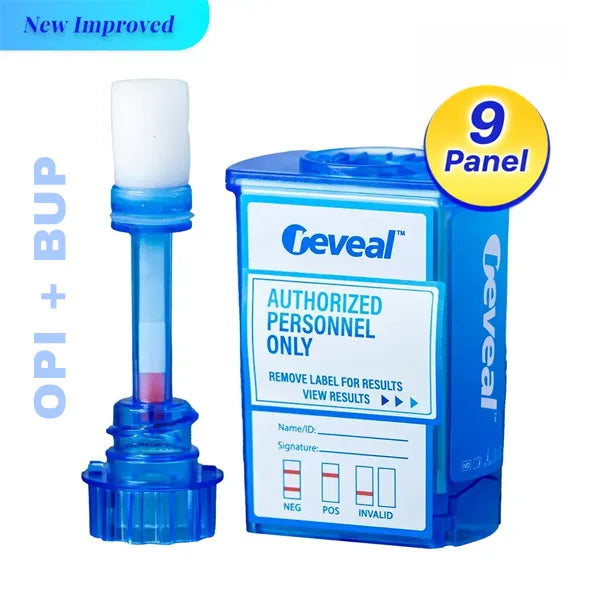
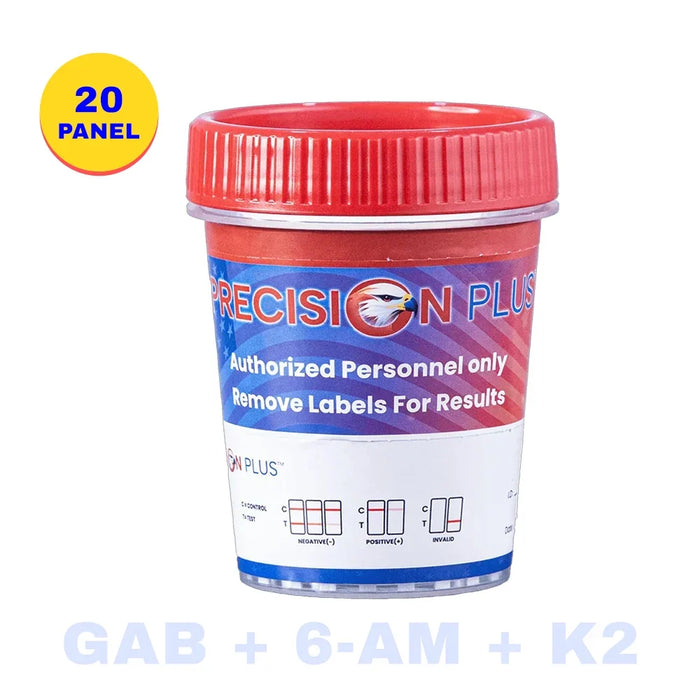
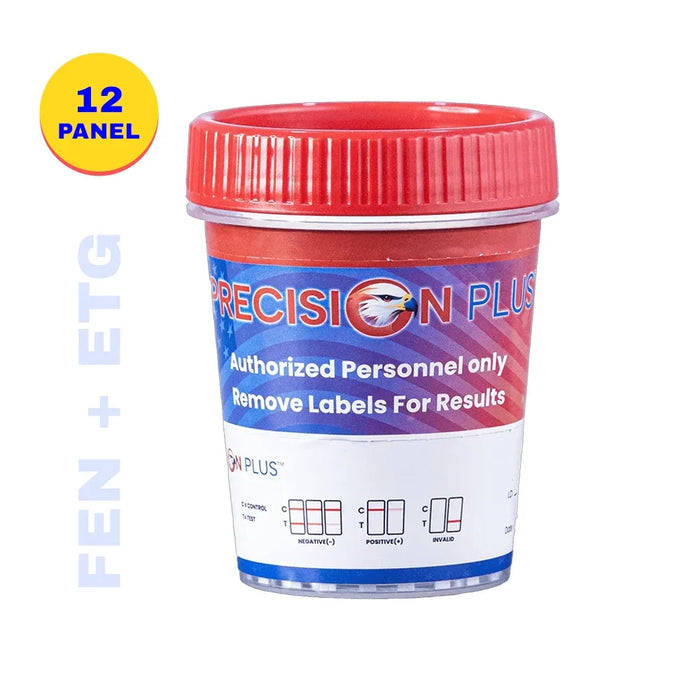
Employers sourcing cups, dip cards, or oral fluid devices for an in house or third party administered program can review supply options through the drug test cup collection and the wholesale portal for bulk account pricing.
Related reading
- Does Ashwagandha Show Up on a Drug Test? Supplements and Panel Screens
- Does Valerian Root Show Up on a Drug Test? Herbal Sleep Aids and the Benzodiazepine Screen
Frequently asked questions
Does ginkgo biloba show up on a standard 5 panel or 10 panel drug test?
No. Ginkgo biloba is not a controlled substance and is not a target analyte on standard immunoassay panels or on GC/MS or LC/MS confirmation testing. There is no published cross reactivity evidence linking ginkgo to a false positive on any common workplace panel.
Can taking ginkgo biloba cause a false positive on a drug test?
There is no credible published evidence that ginkgo biloba extract or its active compounds cross react with the antibodies used in standard employment drug screens. If a result is ever flagged, a medical review officer reviews the case before it is reported to an employer.
Is ginkgo biloba a controlled substance?
No. Ginkgo biloba is an herbal dietary supplement sold over the counter and is not scheduled under the Controlled Substances Act.
Should I tell the medical review officer I take ginkgo biloba?
If you are asked about medications or supplements during an MRO review of a non negative result, disclosing ginkgo biloba and any other supplement or prescription is appropriate. It will not explain a result related to a regulated drug class, but accurate disclosure supports a clean review record.
Is ginkgo biloba safe to take with other medications?
Ginkgo can increase bleeding risk and may interact with blood thinning medications. This is a medical safety question, not a drug testing one, and should be discussed with a pharmacist or physician rather than decided from general information.
Does an employer need a federal rule to test for marijuana, opioids, or other drugs in ginkgo's testing panel class?
Outside of DOT covered safety sensitive positions, there is generally no federal mandate requiring private employer drug testing. Programs vary by employer and by state law, so employers should confirm their state's rules before finalizing a panel or policy.
This article is general information, not medical or legal advice. Consult a qualified physician, pharmacist, or legal counsel for guidance specific to your situation.