Quick answer: Standard DayQuil does not cause a positive result for the common drugs on a typical 5-panel urine test, but its dextromethorphan can trigger a false-positive PCP screen on some immunoassays. Any non-negative screen should go to lab confirmation (GC-MS or LC-MS/MS) and medical review before anyone acts on it.
- DayQuil is not a tested analyte, but dextromethorphan (DXM) has been linked to presumptive PCP positives on some screening assays.
- An instant screen is presumptive only; confirmation by a laboratory separates a cross-reaction from true drug use.
- Collect a medication list and send non-negative results for confirmation instead of making decisions on the cup or card alone.
What is in DayQuil, and what does a drug test look for?
Most DayQuil Cold & Flu products in the U.S. combine acetaminophen (pain and fever), dextromethorphan (cough suppressant) and phenylephrine (decongestant). Severe versions also add guaifenesin. None of these is a target drug on a standard panel. Formulations vary by brand and year, so always check the Drug Facts label of the product the donor actually took.
Need drug tests for your clinic, program or workplace?
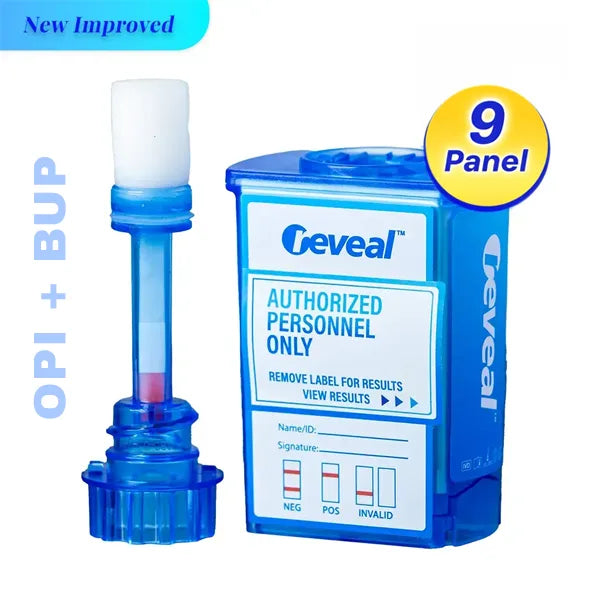
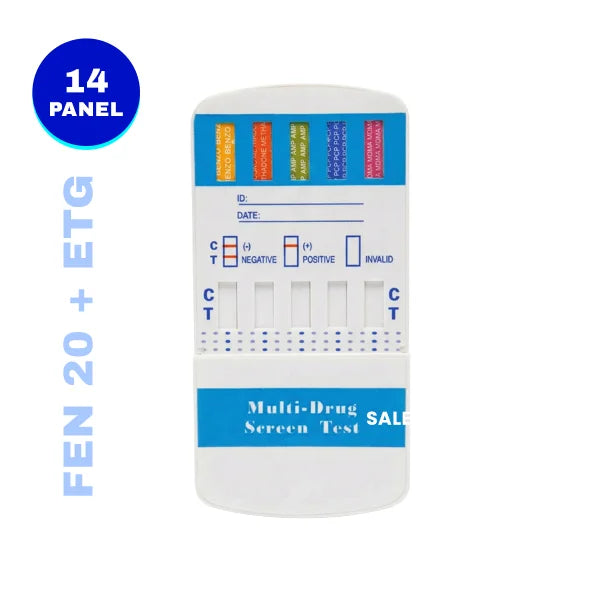
American Screening Corp has supplied FDA-cleared, CLIA-waived tests at wholesale pricing since 2004. Popular options:
Ordering 100+ tests? Request volume pricing.
A typical 5-panel urine test screens for amphetamines, cocaine metabolites, marijuana metabolites, opiates and phencyclidine (PCP). Under the federal HHS urine program, which DOT-regulated testing follows, the initial immunoassay cutoff for PCP is 25 ng/mL, for amphetamines 500 ng/mL, and for opiates 2,000 ng/mL (SAMHSA, Mandatory Guidelines for Federal Workplace Drug Testing Programs). Non-regulated employer panels often use similar cutoffs, but they are set by the program or the device.
Why dextromethorphan matters for screening
Dextromethorphan is structurally related to opioid-class and dissociative compounds. Because immunoassays detect shapes rather than exact molecules, high or recent DXM doses have been associated with presumptive positive PCP results on some screening tests. Whether it happens depends on the assay's antibody, the dose, timing and urine concentration. It is not guaranteed, and many devices do not react at all.
Phenylephrine is not a common cause of amphetamine cross-reactivity. Older cold products containing pseudoephedrine are a different story and can cross-react on some amphetamine screens, which is why checking the label matters.
Result risk by ingredient
| Ingredient | Panel most affected | Risk on immunoassay screen | Recommended action |
|---|---|---|---|
| Dextromethorphan | PCP (and rarely opiates on some assays) | Possible cross-reaction, assay dependent | Send non-negative to lab confirmation |
| Phenylephrine | Amphetamines | Low | Confirm only if the screen is non-negative |
| Acetaminophen | None of the common panels | Not a recognized cause | No action needed |
| Guaifenesin | None of the common panels | Not a recognized cause | No action needed |
| Pseudoephedrine (older or other products) | Amphetamines | Possible on some assays | Confirm; medical review |
How to read and handle a non-negative result
Step by step
- Read the result within the device's stated window and do not re-read it afterward. Any visible line in the test region of a cup or dip card means negative for that drug; no line means non-negative (presumptive positive).
- Record the result and keep the specimen under chain of custody.
- Ask the donor to list prescription and over-the-counter medications, including cold and flu products.
- Send the specimen to a laboratory for confirmation by GC-MS or LC-MS/MS, which identifies the specific compound and concentration.
- Have a medical review officer or qualified clinician evaluate confirmed positives where the program requires it.
A presumptive result from a point-of-collection device is not proof of drug use. Confirmed lab results, plus medical review, are what support adverse decisions. Federal DOT programs mandate laboratory testing and MRO verification; non-regulated programs should follow the same logic as best practice.
Checklist for clinics, courts and employers
- Confirm which analytes and cutoffs your device or lab panel uses, and keep the package insert on file.
- Add an over-the-counter medication question to your collection or intake form.
- Treat every screening result as presumptive until confirmed.
- Write a policy that sends all non-negatives to lab confirmation.
- Train staff to read results within the timing in the instructions.
- Document chain of custody and retain split or confirmation specimens as policy requires.
- Do not tell donors to stop or change prescribed medication; refer them to a clinician.
- Review the policy periodically with legal counsel.
Choosing the right screening format
Your screening format affects how many cross-reactions you need to chase. Programs that run high volume often prefer integrated drug test dip cards for quick, low-cost screening with immediate reading, while others want the built-in temperature strip and leak-resistant design of cups. Either way, pair the screen with a lab confirmation pathway. If you are unsure which panel configuration fits your population, you can contact American Screening Corp for help matching supplies to your protocol.
What to tell donors and candidates
Be transparent: say that some over-the-counter medicines can cause a preliminary result and that a confirmation step protects them. Allow donors to disclose medications before or after the screen. Never ask for more medical detail than your policy or law requires.
Frequently asked questions
Does DayQuil show up on a standard 5-panel urine test?
Not as a listed drug. DayQuil's ingredients are not target analytes, but dextromethorphan may cause a presumptive PCP result on some screening assays. Lab confirmation resolves it.
Can DayQuil cause a false positive for PCP?
It can in some cases. Dextromethorphan has been associated with PCP cross-reactivity on certain immunoassays, though many tests do not react. A GC-MS or LC-MS/MS confirmation will distinguish DXM from PCP.
Does NyQuil or DayQuil cause a false positive for amphetamines?
Current phenylephrine-based DayQuil is not a common cause. Products containing pseudoephedrine can cross-react on some amphetamine screens, so verify the active ingredients on the label.
What should an employer do after a non-negative screen when the donor reports taking DayQuil?
Treat the result as presumptive, document the disclosed medication, and send the specimen for laboratory confirmation. Follow your written policy, and use medical review before any adverse action.
Sources
- SAMHSA: Workplace Drug Testing and Mandatory Guidelines
- U.S. DOT Office of Drug and Alcohol Policy and Compliance
- MedlinePlus (NIH): Dextromethorphan
Employers that pair drug screening with pre-hire checks can also review the screening services from Reveal Background, our sister division.
This article is general information, not legal or medical advice.