Quick answer: Yes. Crack is cocaine, so a 10-panel urine test that includes cocaine detects it by screening for the metabolite benzoylecgonine. The test cannot tell crack from powder cocaine. The federal screening cutoff is 150 ng/mL, many instant cups use 300 ng/mL, and detection usually lasts about 2–4 days.
- Crack and powder cocaine produce the same metabolite, so one cocaine (COC) line detects both.
- Cutoffs vary by product: 150 ng/mL under federal guidelines, 300 ng/mL on many instant cups. Check your device insert.
- An instant result is a preliminary screen. Send non-negative specimens for laboratory confirmation before acting.
What a 10-panel test detects for crack
Crack is cocaine base. When the body processes it, the main urinary metabolite is benzoylecgonine (BE). A cocaine test line reacts to BE, not to the crack form of the drug. A positive therefore means cocaine exposure, and no immunoassay can say whether the source was crack, powder or another cocaine product.
Need drug tests for your clinic, program or workplace?
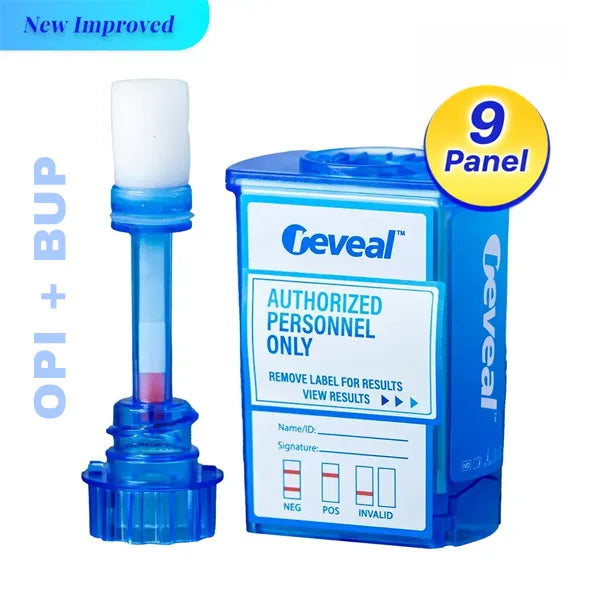
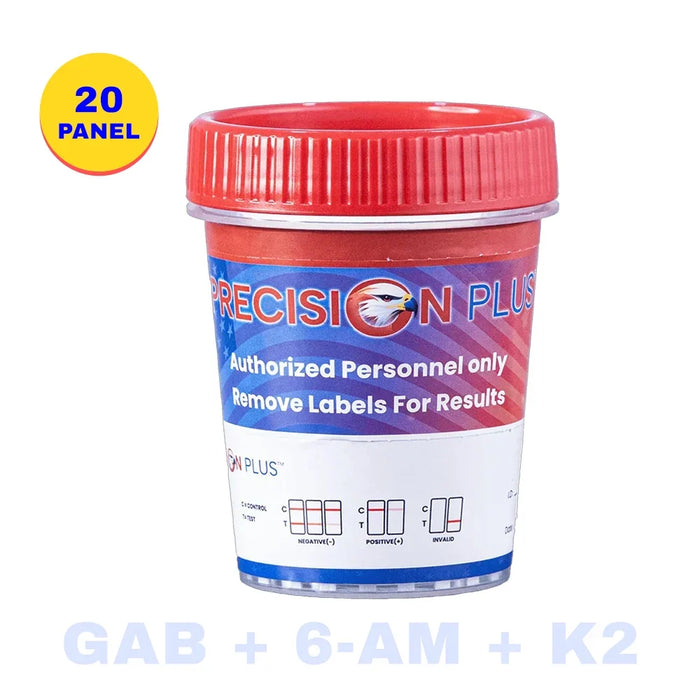
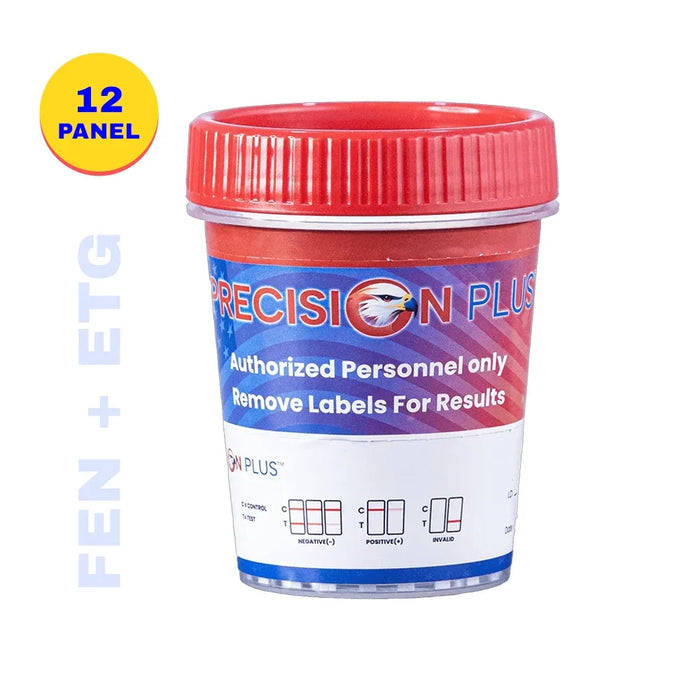
American Screening Corp has supplied FDA-cleared, CLIA-waived tests at wholesale pricing since 2004. Popular options:
- 10-panel drug test cups and dip cards
- 12-panel drug test cups
- all drug test cups (wholesale pricing)
Ordering 100+ tests? Request volume pricing.
A 10-panel is not a single standard. Panel makeup differs by manufacturer. Common configurations combine cocaine with amphetamine, methamphetamine, opiates, THC, PCP, benzodiazepines, barbiturates, methadone and other analytes such as oxycodone or MDMA. Before you stock a device, confirm that COC is on the panel and which cutoff it uses.
Cutoff levels and detection windows
The HHS Mandatory Guidelines for federal urine testing, published by SAMHSA, set the cocaine metabolite initial test cutoff at 150 ng/mL and the confirmatory cutoff at 100 ng/mL. DOT-regulated testing under 49 CFR Part 40 follows those federal levels. Many non-regulated instant cups are built at 300 ng/mL, which is a common legacy cutoff. A lower cutoff catches lighter or older use. A higher one reduces positives near the threshold.
Per NIDA's cocaine DrugFacts, cocaine is short-acting, but its metabolites remain in urine longer than the drug itself. In practice, BE is usually detectable for about 2–4 days after use. Heavy or chronic use, high-dose binges, low urine output and individual metabolism can extend that window.
| Factor | 150 ng/mL cutoff | 300 ng/mL cutoff |
|---|---|---|
| Typical use | Federal / DOT-aligned screening | Common on instant cups for non-regulated programs |
| Sensitivity | Higher; catches lighter or older use | Lower; fewer borderline positives |
| Confirmation level (federal) | 100 ng/mL BE | Set by lab; commonly 100 ng/mL |
| Best fit | Regulated employers, courts, treatment programs seeking sensitivity | General pre-employment and screening programs |
How to read and act on a result
Reading steps
- Confirm the specimen is valid: check temperature window and the cup's validity strips if present.
- Wait the read time in the device instructions. Do not read early or late.
- For each line, a visible line in the test region means negative. No line means non-negative (presumptive positive) for that drug.
- Confirm the control line appeared. Without it, the test is invalid and should be repeated.
- Document the result and send non-negative specimens for lab confirmation.
Regulatory status
Instant tests are screening devices. Many urine cups and cards are FDA-cleared and CLIA-waived, but status is product-specific, so request the 510(k) and CLIA waiver documentation for the exact item you buy. Regulated DOT testing has its own requirements: it must use the federal custody and control form and HHS-certified laboratories, and an instant cup does not replace that process.
Why confirmation matters
Screens use antibody reactions and can occasionally cross-react or miss a result. Confirmation by GC-MS or LC-MS/MS identifies BE specifically and quantifies it against a confirmatory cutoff. For courts, probation, employers and treatment programs, confirmation protects both the donor and your organization. Employers should also route non-negative results through a Medical Review Officer where policy or regulation calls for it.
Choosing a format: cups or dip cards
Integrated drug test cups collect and test in one step, include temperature strips and reduce handling, which suits clinics, probation offices and busy staffing intake. Drug test dip cards cost less per test for high-volume programs that already have a collection container workflow. Either way, choose the panel and cutoff to match your policy, not the other way around.
Procurement checklist
- Confirm cocaine (COC) is on the panel and note the cutoff in ng/mL.
- Request FDA 510(k) and CLIA-waiver documentation for the exact SKU.
- Check that the panel matches your written drug policy.
- Verify lot expiration dates and storage requirements.
- Decide whether you need adulterant or validity strips.
- Set a confirmation protocol and lab partner for non-negative results.
- Train staff on read times, control lines and documentation.
- For DOT programs, use the federal process rather than instant devices.
If you need help matching panels and cutoffs to your program, contact American Screening Corp. Employers that pair testing with hiring screens can also use our sister division, Reveal Background, for employment background checks.
Frequently asked questions
Does crack show up on a 10-panel drug test?
Yes, if the panel includes cocaine. The test detects benzoylecgonine, the metabolite shared by crack and powder cocaine.
How long does crack stay detectable in urine?
Usually about 2–4 days, according to typical ranges cited by NIDA. Heavy or chronic use can lengthen detection.
Can a 10-panel tell crack from powder cocaine?
No. Both produce the same metabolite, so the test reports cocaine exposure only.
Is an instant positive enough to act on?
Treat it as preliminary. Send the specimen for laboratory confirmation and follow your policy or regulation, including MRO review where applicable.
Sources
- SAMHSA: Mandatory Guidelines for Federal Workplace Drug Testing Programs
- NIDA: Cocaine DrugFacts
- U.S. DOT Office of Drug and Alcohol Policy and Compliance
This article is general information, not legal or medical advice.