Quick answer: Yes, some cough syrups can show up. Syrups containing codeine can cause a positive opiate result at the 2,000 ng/mL urine screening cutoff. Dextromethorphan (DXM) or decongestants may occasionally cause a presumptive false positive on screening immunoassays, so lab confirmation and Medical Review Officer review matter.
- Codeine syrup is a true positive for opiates; most other cough ingredients are not targeted analytes.
- Screening devices are presumptive. Cross-reactivity is resolved by lab confirmation (GC-MS or LC-MS/MS), not by guesswork.
- Document a consistent process: collect, screen, send non-negative specimens to the lab, and route to an MRO for regulated programs.
What a standard urine test detects
A typical 5-panel screen covers amphetamines, cocaine metabolite, marijuana metabolite (THC), opiates and phencyclidine (PCP). Cough syrup matters mainly for two panels: opiates and, less often, PCP and amphetamines.
Need drug tests for your clinic, program or workplace?
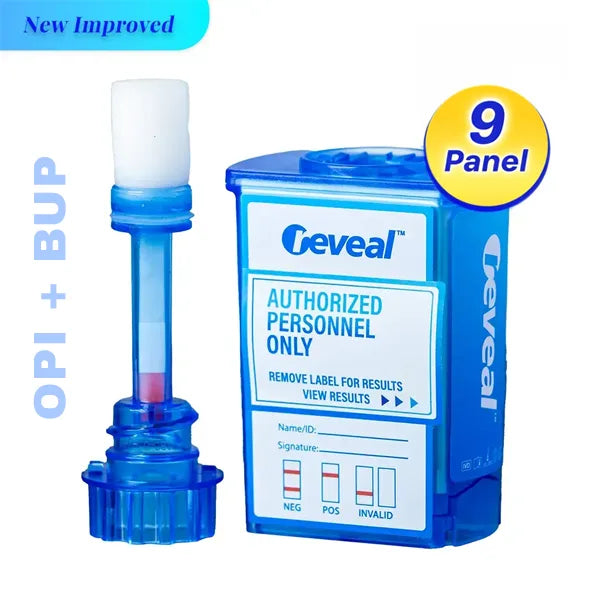
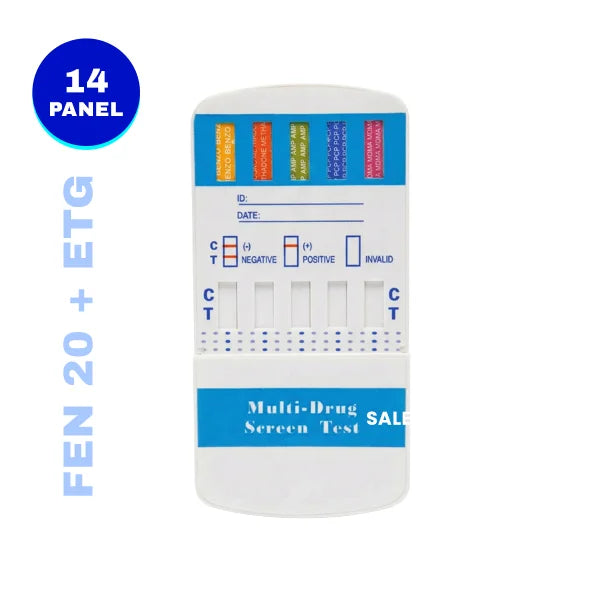
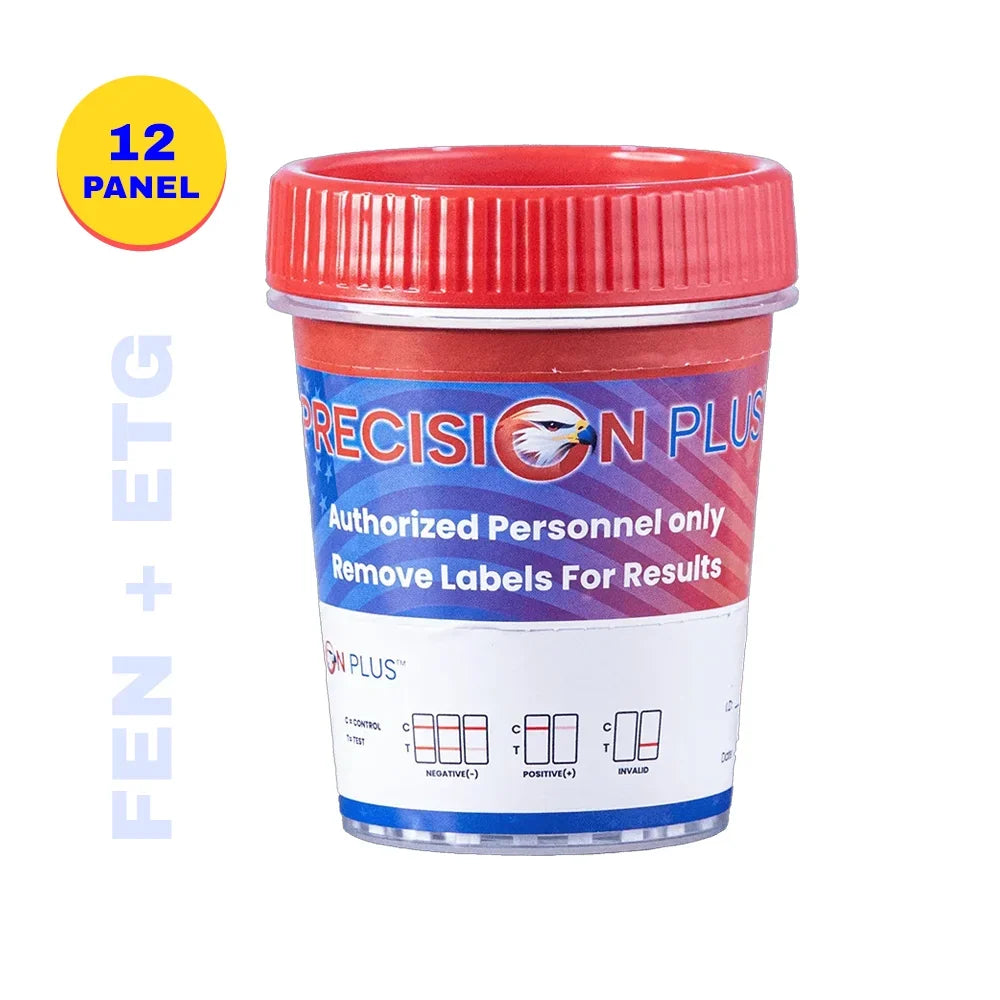
American Screening Corp has supplied FDA-cleared, CLIA-waived tests at wholesale pricing since 2004. Popular options:
Ordering 100+ tests? Request volume pricing.
Under the HHS Mandatory Guidelines used for federal workplace testing (SAMHSA), the initial urine cutoffs are 2,000 ng/mL for codeine/morphine, 25 ng/mL for PCP, 500 ng/mL for amphetamines, 150 ng/mL for cocaine metabolite and 50 ng/mL for THC. Many non-regulated instant tests use the same or similar cutoffs, but some use lower opiate cutoffs such as 300 ng/mL, so check each package insert.
Cough syrup ingredients and testing impact
| Ingredient | Common use | Likely effect on screen | Next step |
|---|---|---|---|
| Codeine | Prescription cough syrup | True positive for opiates (codeine/morphine) | Lab confirmation; MRO verifies prescription |
| Dextromethorphan (DXM) | OTC cough suppressant | Not a target drug; rare PCP or opiate cross-reactivity on some immunoassays | Confirm any presumptive positive at the lab |
| Pseudoephedrine / ephedrine | Decongestant | Possible amphetamine cross-reactivity on some screens | Confirmation separates these from amphetamine/methamphetamine |
| Guaifenesin, menthol, most antihistamines | Expectorant, cooling agents | Not expected to trigger the 5-panel | No action beyond routine procedure |
Alcohol content in some syrups is another consideration for breath or oral fluid alcohol testing, usually through brief mouth alcohol, so follow the device's waiting-period instructions.
Why screening results are presumptive
Instant cups and dip cards use immunoassay technology. Antibodies bind a drug or metabolite class, and structurally similar compounds can occasionally bind as well. That is why every non-negative instant result should be treated as preliminary until a laboratory confirms it with mass spectrometry. DOT rules in 49 CFR Part 40 also require an MRO to review confirmed positives and consider legitimate medical explanations before reporting to the employer.
Codeine is different from cross-reactivity
A codeine syrup result is not a false positive. The test is correctly detecting a controlled substance. The question for the MRO or program administrator is whether there is a valid prescription and whether use was within the prescribed dose.
How to read and act on a result
- Check the control line first. No control line means an invalid test; repeat with a new device.
- Read the results at the time stated in the instructions, and ignore lines that appear later.
- Treat any visible test line as negative for that drug, and a missing line as a presumptive positive.
- Send presumptive positives to a certified lab for confirmation.
- For DOT or other regulated programs, route confirmed results to the MRO.
- For non-regulated programs, give the donor a chance to disclose medications and apply your written policy consistently.
Program checklist for clinics, courts and employers
- Choose a device whose package insert lists the cutoffs (ng/mL) for every panel you need.
- Verify FDA 510(k) clearance and CLIA-waived status where relevant to your setting.
- Write a policy requiring medication disclosure after a presumptive positive, not before collection.
- Use lab confirmation for all non-negative results before any adverse action.
- Keep chain-of-custody forms and lot numbers with each test record.
- Train collectors on timing, temperature strips and adulterant checks.
- Review state law and your own legal counsel's guidance before acting on results.
Choosing testing supplies
If you screen at volume, a drug test cup offers an integrated collection and read step, while dip cards are a lower-cost option for high-throughput settings. Either way, match the panel and cutoffs to your policy, and arrange laboratory confirmation. Questions about panel configuration can go through our contact page.
Employers who also need to verify candidates before hiring can pair testing with screening from our sister division, Reveal Background.
Frequently asked questions
Does codeine cough syrup cause a positive opiate test?
Yes. Codeine metabolizes partly to morphine, and both are detected by opiate panels. A therapeutic dose can exceed a 300 ng/mL cutoff and may reach a 2,000 ng/mL cutoff depending on dose and timing.
Can regular OTC cough syrup cause a false positive?
Rarely. DXM has been associated with presumptive PCP positives on some immunoassays, and decongestants can cross-react with amphetamine tests. Confirmatory testing resolves these cases.
Should an employer reject someone who discloses cough syrup use?
Not based on the instant screen alone. Send non-negative specimens for confirmation, use an MRO where required, and follow your written policy and applicable law.
How long does codeine stay detectable in urine?
Codeine is generally detectable in urine for about one to three days after use, though dose, metabolism and kidney function affect the window.
Sources
- U.S. DOT, Office of Drug and Alcohol Policy and Compliance: 49 CFR Part 40
- SAMHSA: Workplace Drug Testing and Mandatory Guidelines
- MedlinePlus (NIH): Dextromethorphan
This article is general information, not legal or medical advice.