Cordyceps supplements, sold as capsules, powders, and extracts under names that usually reference Cordyceps militaris or Cordyceps sinensis, have become a common addition to energy and immune support stacks. Employers and employees sometimes ask whether taking cordyceps can affect a workplace drug test. The short answer is no. Cordyceps is a fungus, not a controlled substance, and it is not part of any standard drug test panel. The more useful question for an employer or a lab is what cordyceps actually is, what a drug test screen looks for, and where the real risk sits with any unregulated supplement.
What cordyceps is, and what it is not
Cordyceps is a genus of parasitic fungi. The species used in supplements are typically cultivated in a lab or on grain substrate rather than harvested from insects, and the marketed extracts are promoted for energy, exercise performance, and immune support. Cordyceps has no documented psychoactive or hallucinogenic effect, and it has no pharmacological relationship to the psilocybin producing mushrooms, such as Psilocybe species, that are federally controlled. The National Institute on Drug Abuse describes psilocybin as a classic psychedelic that acts on serotonin receptors in the brain, a mechanism that has nothing in common with how cordyceps is described in the supplement and traditional medicine literature.
The National Center for Complementary and Integrative Health explains that "dietary supplement" is a broad legal category that includes vitamins, minerals, herbs, and other botanicals, and that these products are regulated differently from prescription or over the counter drugs. Cordyceps falls into that botanical supplement category, alongside products like turmeric or ashwagandha, rather than into any category of controlled or scheduled substances.
What a standard drug test panel actually screens for
Workplace and clinical drug test panels are built around specific drug classes, not around every compound a person might ingest. A typical 5 panel or 10 panel immunoassay screen targets classes such as amphetamines, cocaine metabolites, opiates, phencyclidine (PCP), and tetrahydrocannabinol (THC), sometimes with benzodiazepines, barbiturates, methadone, or synthetic opioids added. The initial screen is an immunoassay, a fast chemical test that flags a specimen as presumptively positive or negative for antibody binding within a drug class. A presumptive positive on an immunoassay is not a confirmed result. Federal workplace testing rules require that any non-negative immunoassay be confirmed with a more specific method, typically gas chromatography mass spectrometry (GC/MS) or liquid chromatography mass spectrometry (LC/MS), before an employer is told the result is positive.
Cordyceps is not chemically similar to any of the drug classes listed above, and it is not an analyte that any commercial immunoassay kit or confirmation method is designed to detect. There is no published evidence of cordyceps producing cross reactivity on a standard amphetamine, opiate, cannabinoid, PCP, or benzodiazepine immunoassay. Where evidence for a cross reactivity claim does not exist, the honest answer is that there is no credible evidence of interference, not that interference is theoretically possible.
Standard panel drug classes compared with cordyceps
| Panel analyte class | What it detects | Does cordyceps relate to it |
|---|---|---|
| Amphetamines / methamphetamine | Stimulant metabolites | No. Cordyceps is not a stimulant drug and shares no structural class with amphetamines. |
| THC (cannabinoids) | Marijuana metabolites | No. Cordyceps contains no cannabinoids. |
| Opiates / opioids | Morphine, codeine, synthetic opioid metabolites | No. No opioid compounds are present in cordyceps extracts. |
| PCP | Phencyclidine | No. Unrelated chemical class. |
| Psilocybin / psychedelics (specialty lab panels only, rarely on standard employer panels) | Psilocin and related metabolites from psilocybin mushrooms | No. Cordyceps is a different fungal genus with no psychoactive alkaloids; it is not psilocybin and does not share its chemistry. |
The real risk is supplement quality, not the fungus itself
The more realistic concern with cordyceps, and with herbal and mushroom supplements generally, is product quality rather than drug test interference. Dietary supplements are regulated under a framework that does not require FDA approval before a product reaches the market. The FDA's dietary supplements program page explains that the agency does not evaluate supplements for safety or effectiveness before sale the way it does for drugs, and manufacturers are responsible for ensuring their own products are safe and labeled accurately. That structure means supplement quality, purity, and label accuracy vary by manufacturer and are not promised by any premarket government review.
The FDA maintains a public Health Fraud Product Database of tainted products marketed as dietary supplements, which lists supplement brands found to contain undisclosed active pharmaceutical ingredients, including in some cases prescription stimulants or other controlled substances, hidden in products marketed for energy, weight loss, or sexual performance. A cordyceps labeled product is not immune from this kind of contamination or mislabeling risk simply because the labeled ingredient is a non-controlled fungus. If an employee's test comes back positive after reporting only a cordyceps supplement, the more plausible explanations are that the specimen reacted to something else entirely, that the product the employee took was mislabeled or adulterated, or that an unrelated medication or substance is the actual source. NCCIH's guidance on using dietary supplements wisely specifically advises consumers to tell their health care providers about every supplement they take, and the same disclosure matters for drug test documentation.
What employers and medical review officers should do with a cordyceps claim
A claimed cordyceps supplement is not, by itself, a defense or an explanation for a confirmed positive result on any standard panel analyte, because cordyceps is not expected to trigger any of those analytes in the first place. Any non-negative result still needs to go through the standard verification process rather than being accepted or dismissed based on a verbal explanation. For federally regulated testing, including DOT covered safety sensitive positions, the confirmation and review process is defined in 49 CFR Part 40, which sets out how a laboratory confirms a non-negative screen and how a medical review officer (MRO) interviews the donor, reviews any medical or supplement documentation, and determines a verified result. An MRO is a licensed physician trained to review drug test results, contact the donor, and decide whether a legitimate medical explanation accounts for a result.
Employers who are not covered by DOT rules still generally model their programs on the same science, and the Substance Abuse and Mental Health Services Administration's workplace program resources describe the same core structure: immunoassay screen, confirmation of any non-negative result, and review of legitimate explanations before a result is reported as verified positive. Whether a non-DOT private employer is required to use an MRO at all depends on company policy and, in some cases, state law, which varies; employers should confirm their own program design against SAMHSA's guidance and applicable state statutes rather than assuming DOT rules apply.
Programs that want cordyceps, and other common herbal and mushroom supplements, documented up front as part of a pre-test medical history form will have an easier time distinguishing a genuine supplement disclosure from an attempt to explain away an unrelated positive result after the fact. That kind of documentation belongs in the same intake process employers already use for prescription medications.
Choosing the right test format
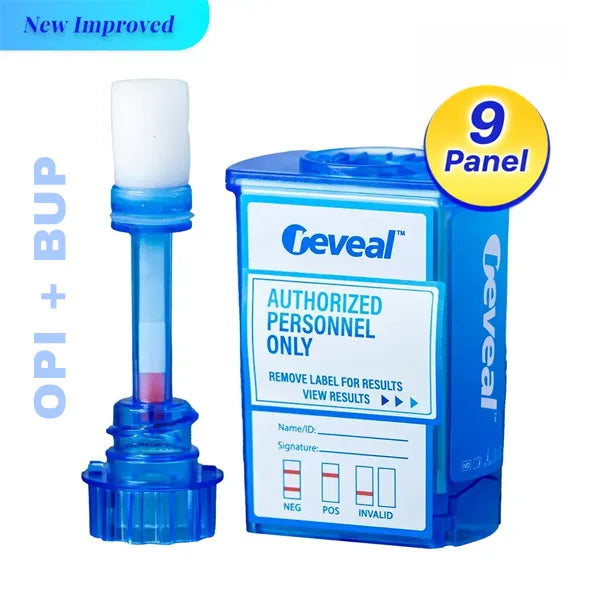
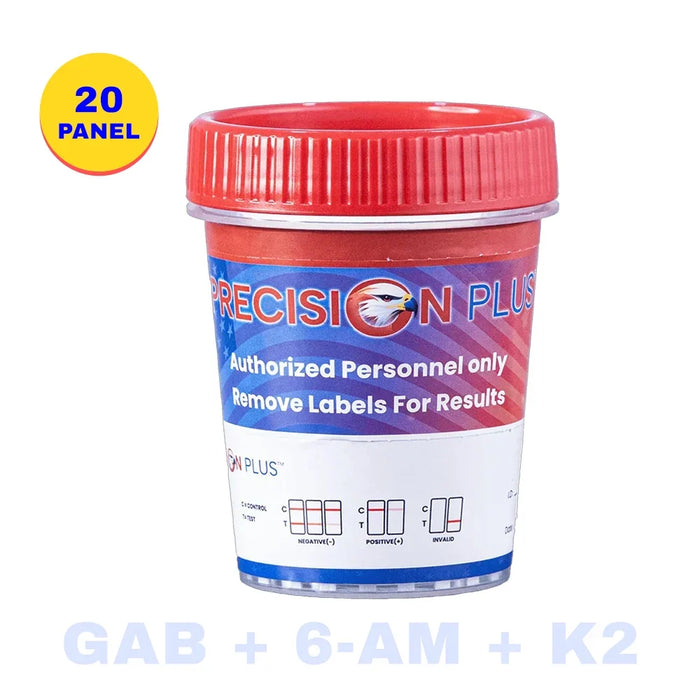
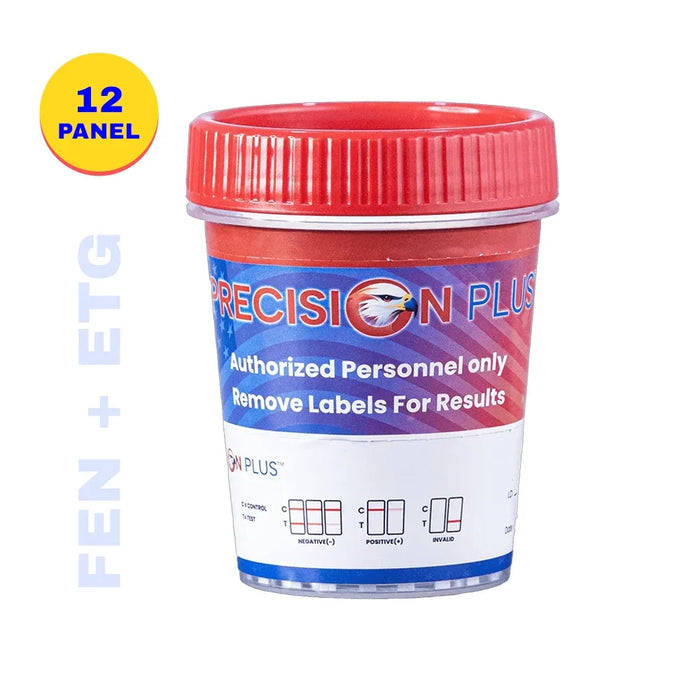
Because cordyceps is not a target analyte on any immunoassay panel, the choice between a urine cup, an oral fluid test, or a dip card for a workplace program should be driven by the drug classes the employer actually needs to screen, collection logistics, and observed versus unobserved collection policy, not by supplement use. Employers building or refreshing a drug free workplace program can review cup, dip card, and oral fluid formats through American Screening Corporation's wholesale portal at wholesale.americanscreeningcorp.com, or compare panel configurations directly at the drug test cup collection.
For background on how mushroom based supplements in general relate to drug testing, see our related post on Lion's Mane and standard panels. For a look at the fungus that actually is federally controlled and detectable on specialty confirmation testing, see how psilocybin mushrooms are handled in drug testing, which is a useful contrast to cordyceps.
Frequently asked questions
Does cordyceps show up on a 5 panel or 10 panel drug test?
No. Cordyceps is not one of the drug classes included in standard 5 panel or 10 panel immunoassay screens, and there is no published evidence that it cross reacts with any of those panels.
Is cordyceps related to psilocybin or magic mushrooms?
No. Cordyceps and psilocybin producing mushrooms are different fungal genera. Cordyceps has no documented psychoactive alkaloids, while psilocybin is a federally controlled hallucinogen with a distinct mechanism described by the National Institute on Drug Abuse.
Could a cordyceps supplement cause a false positive drug test?
There is no credible published cross reactivity evidence linking cordyceps itself to a false positive on a standard immunoassay. A positive result in someone taking a cordyceps product is more likely explained by an adulterated or mislabeled supplement, an unrelated medication, or another substance, which is why confirmation testing and medical review officer review exist.
Are cordyceps supplements approved by FDA?
No dietary supplement, including cordyceps products, is approved by FDA in the way prescription drugs are. The FDA does not review supplements for safety or effectiveness before they reach the market, which is why label accuracy and manufacturing quality vary by brand.
Do employers have to use a medical review officer if an employee reports taking cordyceps?
For DOT covered testing, an MRO review of any non-negative result is required under 49 CFR Part 40. For non-DOT private employers, MRO use and the handling of supplement disclosures depend on company policy and state law, which varies, so employers should confirm their own program's requirements.
What should an employee do if they are taking cordyceps before a scheduled drug test?
Employees do not need to stop a legal, non-controlled supplement before a workplace drug test. It is reasonable to disclose any supplement or medication on an intake form so the information is on record if it is ever relevant to a review, but cordyceps is not expected to affect a standard panel result.
This article is general information for employers and employees about drug testing science and program design. It is not medical or legal advice. Employers should consult qualified counsel and a medical review officer for decisions about specific test results or program requirements.