Cannabigerol, usually shortened to CBG, is one of the minor cannabinoids found in hemp and cannabis plants. It is marketed in oils, capsules, and gummies as a non intoxicating alternative to THC products. The question employers, clinics, and individual buyers ask is simple: will a CBG product cause a positive result on a standard workplace drug test. The honest answer has two parts. CBG itself is not the molecule a standard immunoassay is built to detect, and there is no published evidence that CBG cross reacts with the antibody used in a THC screen. But many CBG products are not pure CBG. They are full spectrum hemp extracts that legally carry a small amount of delta 9 THC, and that THC, not the CBG, is what a drug test actually finds.
This article explains how screening and confirmation testing work, what separates a CBG isolate from a full spectrum product, and what happens when a positive result reaches a medical review officer. It does not give dosing guidance or tell anyone how much of a product is safe to use before a test; that decision belongs to the person using the product and their prescribing clinician.
What CBG Is, and How It Differs From THC
CBG comes from cannabigerolic acid (CBGA), the acid form that is often called the parent cannabinoid because the plant converts it into THCA and CBDA as it matures. By the time a hemp plant is harvested, most CBGA has already converted, which is part of why CBG products are typically more expensive and lower yield than CBD products. CBG does not produce the intoxicating effect associated with delta 9 THC. Under federal law, a hemp derived product is legal only if its delta 9 THC concentration does not exceed 0.3 percent on a dry weight basis; above that threshold, the plant material is legally marijuana rather than hemp. That 0.3 percent line, not the presence of CBG, is what determines whether a given batch is federally lawful hemp. The current hemp definition and the controlled substances schedule for cannabis derivatives are set out in the Drug Enforcement Administration's schedule of controlled substances at 21 CFR 1308.11, and background on cannabinoid pharmacology and federal oversight is available from the National Center for Complementary and Integrative Health.
How a Standard Drug Test Actually Screens for Cannabinoids
A standard urine cup or dip card drug test uses an immunoassay. The strip contains antibodies designed to bind to a specific target molecule, and for the cannabinoid panel that target is 11 nor 9 carboxy THC (THC COOH), the inactive metabolite the body produces after using THC, not THC itself and not any other cannabinoid. The antibody is built around the THC metabolite's shape. CBG is a structurally different molecule, and there is no published cross reactivity data showing that CBG binds that antibody at concentrations found in typical consumer products. Employers and clinics should say plainly that evidence for CBG cross reactivity is limited to none, rather than claiming the screen will or will not catch it with certainty, because immunoassay manufacturers validate cross reactivity against a defined list of compounds and CBG is not a compound regulators or most test manufacturers have published cross reactivity data for.
Federal workplace testing programs, including the ones that apply to safety sensitive transportation employees, run on cutoff concentrations set in regulation. The federal procedures for specimen collection, screening cutoffs, and confirmation are published in 49 CFR Part 40, the Department of Transportation's drug and alcohol testing rule. Those cutoffs exist for THC metabolite, not for CBG, CBD, or other minor cannabinoids.
Isolate vs Broad Spectrum vs Full Spectrum CBG: Where the Risk Actually Lives
The real variable in whether a CBG product affects a drug test is not CBG, it is how much delta 9 THC rides along with it. These product categories are not interchangeable.
| Product type | What it contains | THC exposure risk |
|---|---|---|
| CBG isolate | Purified CBG with other cannabinoids removed during processing | Lowest; little to no THC if processing is done correctly and the certificate of analysis confirms it |
| Broad spectrum CBG | CBG plus other hemp compounds, with THC intentionally removed or reduced to non detectable levels | Low, but depends on the manufacturer actually verifying non detect THC, not just claiming it |
| Full spectrum CBG | CBG plus the plant's other cannabinoids including up to 0.3 percent delta 9 THC by dry weight, the legal hemp limit | Highest; regular or heavy use can allow THC metabolite to accumulate to detectable levels on a standard urine screen |
The 0.3 percent figure is a legal limit on the plant material, not a promise about how much THC ends up in a finished bottle of oil or a gummy; extraction and concentration can push a finished product's THC exposure higher relative to serving size than the raw plant limit suggests.
Label Accuracy Is a Known Problem in This Market
Unlike an approved prescription drug, hemp derived cannabinoid products are not subject to premarket FDA review of potency, purity, or label accuracy before they reach store shelves. The Food and Drug Administration has stated directly that it has significant questions about the safety of these products and that existing regulatory pathways were not built for over the counter cannabinoid goods sold as foods, supplements, or cosmetics. That gap matters here because a product labeled as CBG isolate or broad spectrum is not independently promised to be free of THC; the only real check is a current, batch specific third party certificate of analysis from the seller. Background on how FDA currently treats cannabis derived ingredients, including CBD and related cannabinoids, is published at FDA's regulation of cannabis and cannabis derived products page.
Confirmation Testing: What GC/MS and LC/MS Actually Look For
When a urine immunoassay screen comes back positive for the cannabinoid group, a certified laboratory confirms it using gas chromatography mass spectrometry (GC/MS) or liquid chromatography tandem mass spectrometry (LC/MS MS). Confirmation targets THC COOH specifically and reports a precise concentration. It is a THC confirmation, not a CBG test; standard employment and clinical panels are not built to identify or quantify CBG, and a lab would need a specific, separately ordered assay to look for CBG itself, which is not part of routine drug testing panels. In practice, this means a positive screen traced back to a full spectrum CBG product will confirm as THC metabolite on the lab report, because that is the molecule the confirmation method is measuring, not because the lab identified CBG as the cause.
DOT, Non-DOT, and the Medical Review Officer
For safety sensitive employees covered by Department of Transportation testing rules, a confirmed positive THC result goes to a medical review officer (MRO) for review before any result is reported to the employer. The MRO's job under 49 CFR Part 40 is to verify the result, contact the donor, and determine whether there is a legitimate medical explanation, meaning a valid prescription for an approved by FDA medication. A hemp derived supplement, including a CBD, CBG, or full spectrum product bought without a prescription, is not treated as a legitimate medical explanation under Part 40, because these products are not approved by FDA prescription drugs. The rule's general provisions and the role of the MRO are set out across 49 CFR Part 40. Non DOT employers who use laboratory based testing typically route confirmed positives through an MRO as well, though program design varies by employer and is not federally mandated outside the DOT regulated workforce.
Nothing in this article is medical advice, and no one should start, stop, or adjust use of a cannabinoid product, a prescription medication, or any other substance based on concern about a drug test. Anyone with questions about a specific product, a specific medical condition, or a specific test result should direct those questions to their prescribing clinician or to the MRO handling their case, not to a blog post.
What This Means for Buyers and Programs
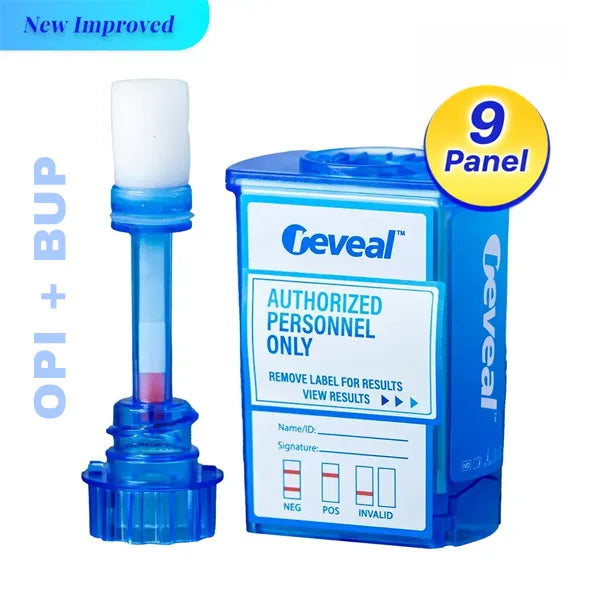
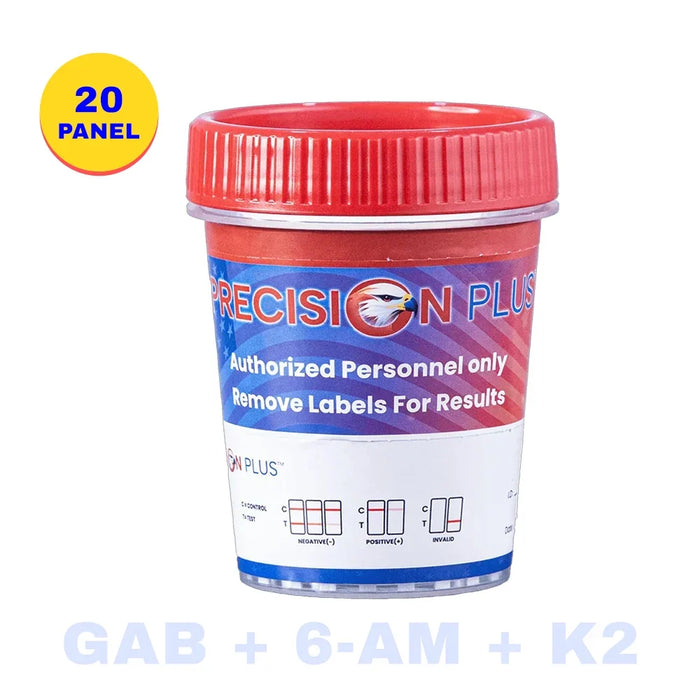
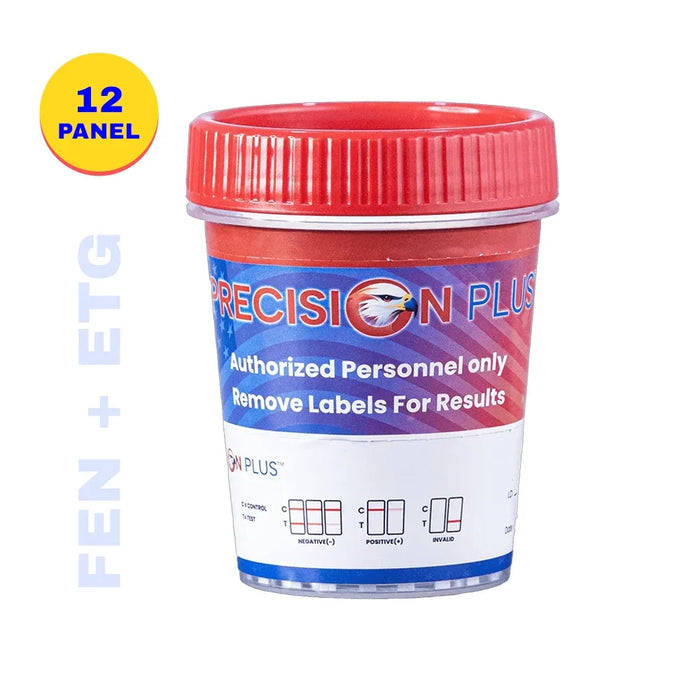
For employers and clinics building a cannabinoid aware testing program, the practical points are straightforward. A standard THC immunoassay screens for THC metabolite, not CBG, so a CBG isolate product with a verified certificate of analysis showing no detectable THC is unlikely to cause a positive screen on its own. A full spectrum CBG product carries legal, but real, THC exposure that can accumulate with regular use and register on a standard cutoff. Programs that want cannabinoid clarity should pair an immunoassay cup or dip card with laboratory GC/MS or LC/MS confirmation for any non negative screen, document panel cutoffs in writing, and route every confirmed result through an MRO rather than making a judgment call in house. For related reading on how other cannabinoid products interact with standard panels, see Does CBD Show Up on a Drug Test and Does Delta 10 THC Show Up on a Drug Test. Buyers sourcing cups, dip cards, or oral fluid devices for a cannabinoid aware program can review options at American Screening Corporation's drug test cup collection.
Frequently asked questions
Does pure CBG show up on a standard THC drug test?
There is no published evidence that CBG cross reacts with the antibody used in a standard THC immunoassay. A product that is genuinely CBG isolate, verified by a current certificate of analysis showing no detectable THC, would not be expected to trigger a THC positive on its own.
Can a full spectrum CBG product cause a positive drug test?
Yes, this is possible. Full spectrum CBG products legally contain up to 0.3 percent delta 9 THC by dry weight under the federal hemp definition, and regular use can allow that THC to accumulate to a level a standard urine immunoassay detects, even though the product is sold and labeled around its CBG content.
Will a lab confirmation test specifically identify CBG as the cause of a positive result?
No. Standard GC/MS and LC/MS confirmation testing for workplace and clinical cannabinoid panels targets THC metabolite, not CBG. A lab report confirming a positive for THC metabolite does not identify CBG use; it only confirms that THC metabolite is present above the cutoff.
Is a hemp derived CBG product accepted as a medical explanation for a positive DOT drug test?
No. Under 49 CFR Part 40, a medical review officer accepts a legitimate medical explanation only for a valid prescription of an approved by FDA medication. An over the counter hemp product is not treated as a legitimate medical explanation for a confirmed positive THC result in DOT regulated testing.
Is CBG itself included on standard drug test panels?
No. Standard immunoassay drug test panels, including the cannabinoid position on multi panel cups and dip cards, are designed around THC metabolite. CBG is not a separate analyte on routine employment, clinical, or probation drug test panels.
This article is general information for employers, clinics, and consumers and is not legal or medical advice. Testing programs should confirm current rules and cutoffs with their laboratory and medical review officer, and individuals with questions about a specific product or result should consult their prescribing clinician.