
Caplyta is the brand name for lumateperone, an atypical antipsychotic prescribed for schizophrenia, for depressive episodes associated with bipolar I or II disorder, and as an add on to antidepressants for major depressive disorder. People who take it sometimes ask whether a pre employment or workplace urine screen will flag it, or whether it could read back as something else entirely. This post explains what lumateperone actually is, whether any standard immunoassay panel is built to look for it, what the published cross reactivity record shows, how lab confirmation works when a screen comes back non negative, and how the Medical Review Officer process handles a result that needs an explanation.
What Caplyta is and how it is classified
Lumateperone is sold under the brand name Caplyta and is classified as an atypical antipsychotic. The current prescribing information, filed with the National Library of Medicine and published on DailyMed, lists the DEA schedule as none. The original official labeling, archived by the agency at Drugs@FDA, confirms the same indications and carries no controlled substance designation. The federal schedules themselves are codified at 21 CFR Part 1308, and the Drug Enforcement Administration maintains the current list through its Office of Diversion Control scheduling page. Lumateperone does not appear on any of those schedules. It is a prescription only medication, not a controlled substance, and that distinction is the starting point for why standard drug panels are not designed around it.
What standard panels are built to detect
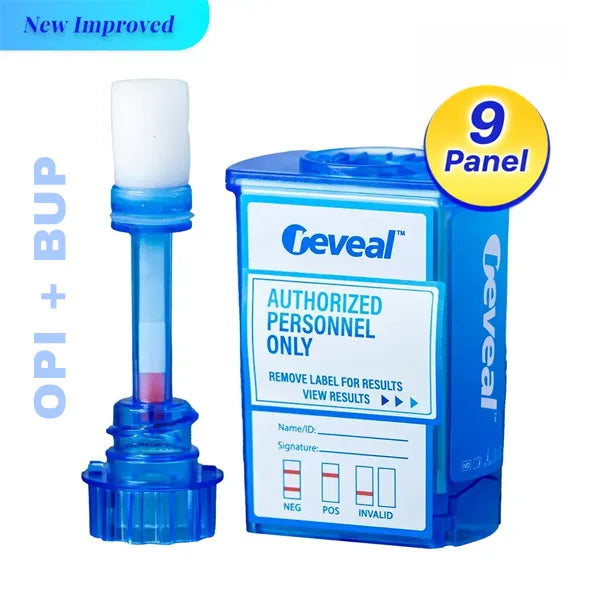
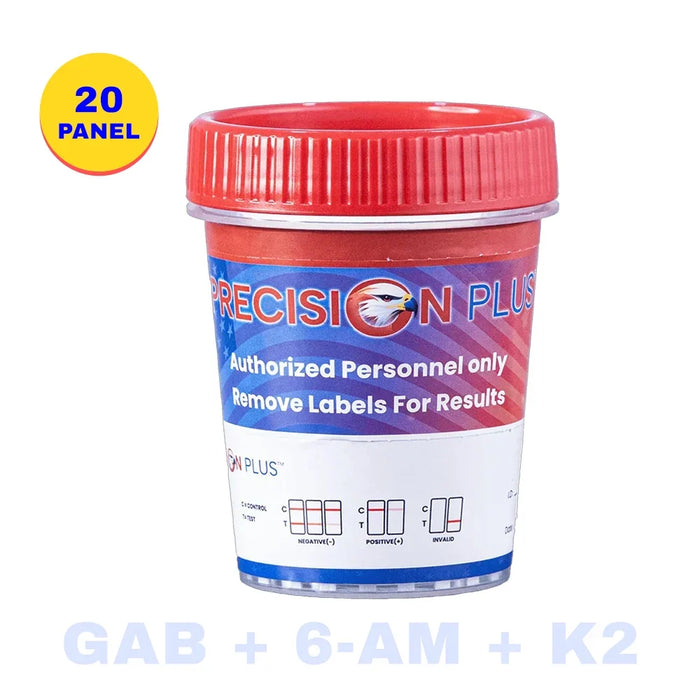
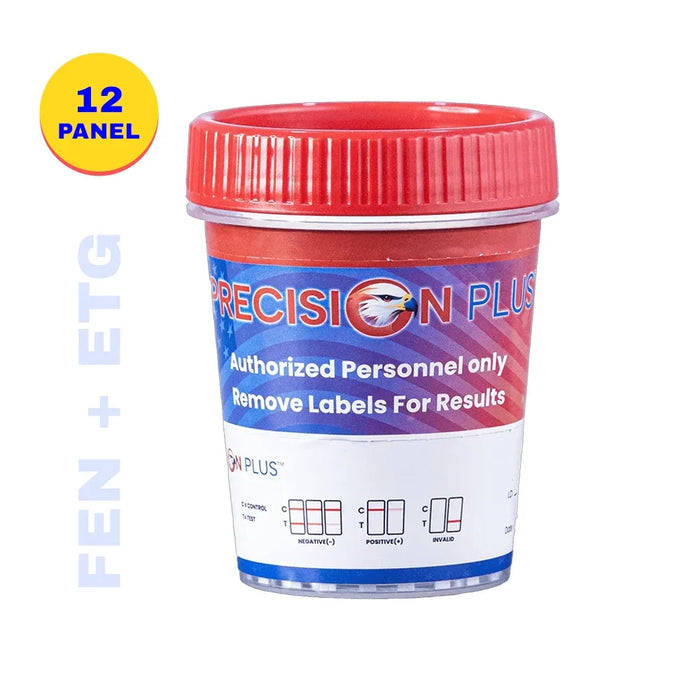
A basic 5 panel urine screen targets amphetamines, cocaine metabolite, marijuana metabolite (THC), opiates, and phencyclidine (PCP). Expanded 9, 10, and 12 panel configurations commonly add benzodiazepines, barbiturates, methadone, methaqualone, propoxyphene, and in some product lines additional synthetic opioids. The federal mandatory guidelines that define these analyte groups and their cutoff concentrations for federally regulated testing programs are set out in 49 CFR Part 40. Antipsychotics as a drug class, lumateperone included, are not one of the target groups any of these immunoassay panels are built to bind. The antibodies used in rapid cups and dip cards are engineered around the chemical structure of amphetamines, opioids, benzodiazepines, cannabinoid metabolites, and the other named classes, not around a benzazepine antipsychotic like lumateperone.
Standard panel analytes compared with lumateperone
| Panel analyte | What the immunoassay targets | Lumateperone a chemical match |
|---|---|---|
| Amphetamines and methamphetamine | Phenethylamine class stimulants | No |
| Cocaine metabolite (benzoylecgonine) | Tropane alkaloid metabolite | No |
| THC metabolite | Cannabinoid metabolite | No |
| Opiates | Morphine derived opioid structures | No |
| PCP | Arylcyclohexylamine | No |
| Benzodiazepines | Benzodiazepine ring structures | No |
| Barbiturates | Barbituric acid derivatives | No |
Lumateperone is not chemically related to any row in that table, which is the pharmacological reason it is not an expected target or an expected source of cross reactivity on any of these classes.
Caplyta compared with other antipsychotics
This is the part that causes confusion, because every atypical antipsychotic gets grouped together in casual conversation even though each one is a distinct molecule. Quetiapine, sold as Seroquel, does have a documented interference problem with certain immunoassay screens, which our separate post on Seroquel and standard drug panels covers in detail. Olanzapine, by contrast, has no comparable published report, as covered in our post on olanzapine and immunoassay screens. Lumateperone is a newer molecule than either one, approved by the FDA in 2019, and a search of the current DailyMed labeling and the approved by FDA package insert for lumateperone does not identify a cross reactivity warning with any standard drug class. That is the current, honest state of the manufacturer and regulatory record, not a promise that no result involving lumateperone could ever be questioned by a laboratory. Anyone comparing Caplyta to another psychiatric medication for drug testing purposes should treat each drug on its own evidence rather than assuming they behave the same way on an immunoassay.
Screening versus confirmation
A cup or dip card immunoassay is a presumptive screen, not a final result. It is built for speed and sensitivity, which means it can occasionally flag a specimen on a class the donor was not using. When a screen returns a non negative result, the correct next step under federally regulated testing, and the practice responsible employers follow for non regulated testing too, is confirmation by gas chromatography mass spectrometry (GC/MS) or liquid chromatography tandem mass spectrometry (LC/MS/MS). Confirmation identifies the exact molecule present rather than relying on antibody binding, which is why it is far more specific than a screen. Because lumateperone is not a structural match for amphetamines, opiates, benzodiazepines, cannabinoids, or any other standard panel analyte, confirmation testing would not identify it as the cause of a non negative result on those classes, even in the rare case a screen flagged a specimen for an unrelated reason.
MRO review and prescription documentation
For DOT regulated tests and many non regulated employment programs, a non negative screen does not become a reportable positive until it passes through review by a Medical Review Officer. The MRO is a licensed physician trained to interpret laboratory results and to contact the individual confidentially about any legitimate medical explanation, including a current prescription. The verification process, the documentation an MRO can request, and the timelines involved are set out in 49 CFR Part 40, the federal regulation governing MRO review of drug and alcohol test results. Someone taking Caplyta who is contacted by an MRO about a result should be ready to provide prescription information and pharmacy records on request. Because standard panels are not built to detect antipsychotics as a class, there is ordinarily nothing in a Caplyta prescription for an MRO to reconcile against a non negative amphetamine, opiate, benzodiazepine, or THC screen, but documentation is still the right response whenever a question comes up. SAMHSA maintains broader background on certified laboratories and workplace testing programs on its workplace substance use resource page.
What employers should do with a disputed result
If an employee reports taking Caplyta, or any other prescribed antipsychotic, and a result is still in question, the employer's role is procedural, not diagnostic. Route the specimen and the question to the certified laboratory and the MRO rather than making a determination in house. Keep chain of custody documentation intact, give the employee the opportunity the MRO process provides to explain a prescription, and rely on confirmation testing rather than the initial screen for any adverse decision. Employers should consult their own legal counsel on how to apply these steps within a written testing policy, since documentation practices and state level rules affecting workplace testing can vary.
It also helps to separate two different questions that tend to get merged in conversation. The first is whether a medication could cause a false positive screen on a drug class it is not related to, which for lumateperone has no published basis at this time. The second is whether a panel is built to detect the medication itself as a target analyte, meaning the test is looking for it on purpose. Caplyta fails that second test too, because no standard SAMHSA referenced or DOT panel configuration includes antipsychotics as a target class. Employers and employees asking about a specific device should confirm with the laboratory which analytes that device actually covers rather than assuming based on a drug's general category.
Frequently asked questions
Does Caplyta show up as a false positive on a standard drug test panel?
No published cross reactivity report identifies lumateperone, the active ingredient in Caplyta, as a cause of a false positive on standard amphetamine, opiate, benzodiazepine, THC, or PCP immunoassay screens, based on the current DailyMed and official labeling.
Is Caplyta a controlled substance?
No. Lumateperone does not appear on any DEA schedule under 21 CFR Part 1308. It is a prescription medication but not a controlled substance, according to the current DailyMed prescribing information.
Is Caplyta the same as Seroquel for drug testing purposes?
No. They are both atypical antipsychotics but structurally different drugs. Quetiapine, sold as Seroquel, has documented interference reports with certain immunoassay screens, covered in our separate post on Seroquel and standard panels. Lumateperone does not have a comparable published report in its current labeling.
Will a lab confirmation test detect Caplyta as an illegal drug?
No. GC/MS and LC/MS confirmation identify the exact molecule present in a specimen. Lumateperone is not chemically related to any standard panel analyte, so confirmation testing would not identify it as one.
What should someone taking Caplyta do before a workplace drug test?
Bring current prescription information in case the Medical Review Officer has questions about a result, and answer the MRO's confidential call if one is placed. There is no dosing or medical action needed specific to drug testing, and this is not medical advice.
What should an employer do if an employee says a psychiatric medication affected their result?
Send the question to the certified laboratory and the MRO under the standard verification process set out in 49 CFR Part 40 rather than deciding in house, and keep chain of custody documentation complete.
Employers that want to standardize how non negative screens are handled can review our drug test cup collection for panel configurations that match a written testing policy.
This article is general information about drug testing science and procedure, not medical or legal advice. Anyone with questions about a specific medication or test result should talk to a licensed physician, their Medical Review Officer, or qualified legal counsel.