Azstarys is a prescription stimulant for attention deficit hyperactivity disorder that combines two related compounds, serdexmethylphenidate and dexmethylphenidate. Patients and employers sometimes assume that because it is a controlled stimulant, it will automatically flag a workplace drug test the same way an amphetamine would. That assumption is usually wrong. A standard amphetamine screening immunoassay is built around a different chemical family, and methylphenidate type medications generally do not register on it. This page explains what Azstarys actually contains, how screening and confirmation testing differ, which panel is designed to catch methylphenidate, and how a medical review officer handles a prescription like this one.
What is in Azstarys
According to the current prescribing information on DailyMed, Azstarys capsules contain serdexmethylphenidate hydrochloride and dexmethylphenidate hydrochloride. Serdexmethylphenidate is a prodrug, meaning it is largely inactive until it is absorbed and converted in the body to release active dexmethylphenidate over an extended period. Dexmethylphenidate is the same active stimulant moiety found in other methylphenidate class ADHD medications.
The DailyMed label lists dexmethylphenidate hydrochloride as a Schedule II controlled substance and serdexmethylphenidate as a Schedule IV controlled substance, with the finished combination product marketed and labeled overall as Schedule II (CII). The official label on file under application NDA212994 confirms the same ingredients, scheduling, and the 2021 approval for patients six years and older. The DEA drug and chemical evaluation summary on methylphenidate describes the broader methylphenidate class as a central nervous system stimulant chemically distinct from amphetamine, built on a piperidine structure rather than a phenethylamine structure.
The reason a manufacturer combines a prodrug with an immediate acting form in one capsule is pharmacokinetic design, not a different drug category for testing purposes. Serdexmethylphenidate is converted gradually after it reaches the intestine, which is intended to extend and smooth out the release of active dexmethylphenidate across the day compared with an immediate release tablet alone. For drug testing purposes, what matters is that the body still ultimately produces the same active stimulant and the same urinary metabolite, ritalinic acid, that other methylphenidate products produce. The delivery mechanism changes how the medication behaves clinically, not which immunoassay class it belongs to.
Screening immunoassay versus confirmation testing
Workplace drug testing generally happens in two stages. The first stage is a screening immunoassay, built into a urine cup or dip card, that uses antibodies tuned to react with a target drug class and with molecules that are structurally close enough to cross react. The second stage, run only on samples that screen positive or that an employer sends for definitive testing, is gas chromatography mass spectrometry (GC/MS) or liquid chromatography tandem mass spectrometry (LC/MS), which identifies the exact compound and its metabolites rather than a drug class.
An amphetamine (AMP) immunoassay is designed to react with amphetamine and methamphetamine and with certain other phenethylamine compounds that share enough of that molecular shape to trigger the antibody. Methylphenidate and its active metabolite ritalinic acid have a different core structure, and there is no credible published cross reactivity data showing that dexmethylphenidate or serdexmethylphenidate reliably triggers a standard AMP immunoassay. That is the source of the common misconception: a stimulant medication is not automatically an amphetamine class medication for testing purposes, and a panel that does not include a methylphenidate specific test will typically not flag it at all, whether as a true positive or a false positive.
This is not unique to Azstarys. The same reasoning applies to other methylphenidate products built on the same active molecule, including older immediate release tablets, extended release capsules taken earlier in the day, and other dexmethylphenidate only products. Patients and employers sometimes confuse "stimulant medication" with "amphetamine" because both categories are legally classified as Schedule II or Schedule IV controlled substances and both are prescribed for ADHD, but a controlled substance schedule describes abuse potential and legal handling, not immunoassay chemistry. The schedule a medication carries has no bearing on which antibody based test strip will react to it.
Which panel actually detects it
Catching methylphenidate use on a screening test requires a dedicated methylphenidate (MPD) immunoassay strip, built to react with ritalinic acid, the primary urinary metabolite of methylphenidate and dexmethylphenidate. Most standard 5 panel and 10 panel employer configurations do not include an MPD strip by default because methylphenidate is a prescription medication rather than a drug typically targeted by non-regulated workplace programs. Employers who specifically want to screen for methylphenidate class medications need to select a cup or dip card configuration that lists MPD among its panel components, or send a sample to a laboratory for a methylphenidate specific confirmation test. Ritalinic acid can also be identified through GC/MS or LC/MS confirmation when a lab is asked to test for it, independent of whether the screening immunoassay included an MPD strip.
| Test component | Detects Azstarys ingredients | Notes |
|---|---|---|
| Standard AMP immunoassay screen | No credible evidence of detection | Targets amphetamine and methamphetamine class molecules, a different structure than methylphenidate |
| Dedicated MPD immunoassay strip | Yes | Reacts with ritalinic acid, the main metabolite of methylphenidate and dexmethylphenidate; must be specifically included in the panel |
| GC/MS or LC/MS confirmation for methylphenidate or ritalinic acid | Yes | Lab must be asked to test for this specific analyte; standard amphetamine confirmation panels do not automatically include it |
| Standard DOT five panel under 49 CFR Part 40 | Not applicable | Tests marijuana metabolite, cocaine metabolite, PCP, opiates, and amphetamines; methylphenidate is not one of the regulated analytes |
The medical review officer and prescription documentation
Any time a screening result needs clarification, the sample goes through a medical review officer (MRO), a licensed physician trained to review laboratory results and contact the employee about possible legitimate medical explanations, including a valid prescription. If a methylphenidate specific test or a GC/MS confirmation identifies methylphenidate or ritalinic acid, the MRO verifies the finding against prescription records before reporting a result to the employer. The federal regulation governing MRO procedures, 49 CFR Part 40, sets out how a verified positive is determined, how an employee can present evidence of a legitimate prescription, and how the MRO documents that review. Employees prescribed Azstarys should keep their prescription information available and tell the MRO about it directly if contacted, rather than relying on an employer or supervisor to pass that information along.
Because methylphenidate is not one of the five analyte classes in the federally mandated DOT panel, a safety sensitive employee tested under Part 40 generally will not have Azstarys use come up on that specific panel. A non-DOT employer that adds a methylphenidate test to its own panel, or that sends a sample out for a broader prescription drug confirmation, is the more likely scenario where an MRO review of an Azstarys prescription would happen at all.
Employees should still disclose a current Azstarys prescription if an employer's drug free workplace policy asks about prescribed controlled substances generally, separate from the testing panel itself. Because dexmethylphenidate is Schedule II and serdexmethylphenidate is Schedule IV, some employer policies treat disclosure of any Schedule II prescription as a standing requirement for safety sensitive roles, independent of whether that specific medication is part of the test panel. That is a matter of employer policy and, where applicable, state law rather than a universal federal rule, so employees with questions about their own disclosure obligations should ask their employer's human resources office or the prescribing clinician rather than assume one rule applies everywhere.
Guidance for employers building a panel
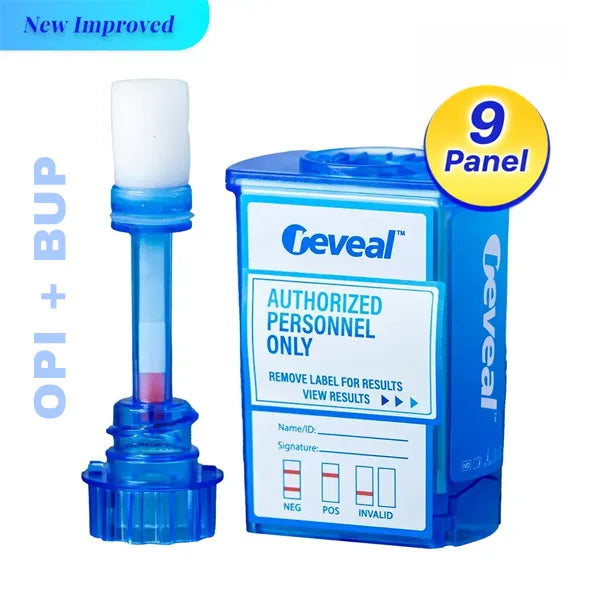
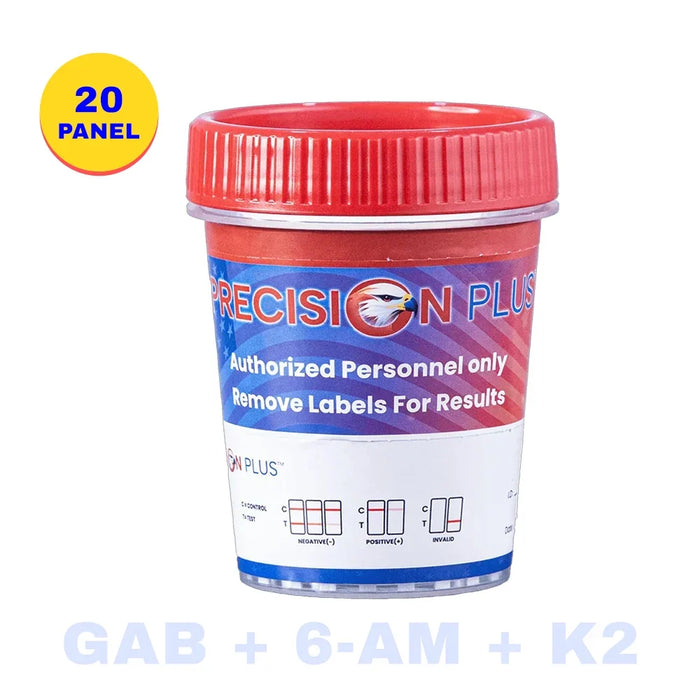
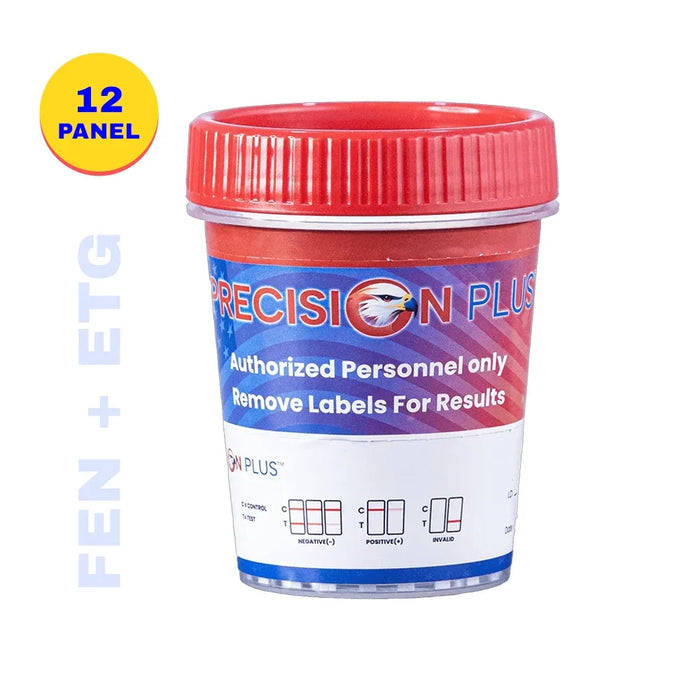
Employers who want their drug testing program to reflect the medications actually prescribed in their workforce should decide deliberately whether methylphenidate belongs in the panel, rather than assuming a general stimulant screen covers it. The Substance Abuse and Mental Health Services Administration's drug testing resources describe how federally certified laboratories structure panels and handle specimen validity, and are a useful reference point when comparing panel configurations. American Screening Corporation manufactures multi panel urine cups and dip cards where a methylphenidate (MPD) strip can be included alongside standard panel components; employers evaluating configurations can review current options in the dip card collection. For a closely related combination product built on the same active ingredient, see Does Focalin (Dexmethylphenidate) Show Up on a Drug Test?, and for background on how MRO review generally works, see The Medical Review Officer (MRO) Process Explained for Employers.
Frequently asked questions
Will Azstarys cause a positive amphetamine drug test?
There is no credible published evidence that serdexmethylphenidate or dexmethylphenidate cross reacts with a standard amphetamine immunoassay. A different chemical structure means a standard AMP screen is not built to catch methylphenidate class medications.
Does a standard 5 panel or 10 panel drug test include methylphenidate?
Usually not. Most standard employer panels do not include a dedicated methylphenidate (MPD) strip unless it is specifically added to the configuration, and the federal DOT five panel does not include it at all.
What test can detect methylphenidate or Azstarys use?
A dip card or cup panel that includes a dedicated MPD immunoassay strip can screen for ritalinic acid, the main metabolite of methylphenidate and dexmethylphenidate. Laboratory confirmation by GC/MS or LC/MS can also identify it when specifically requested.
What happens if a methylphenidate test comes back positive for someone taking Azstarys?
A medical review officer reviews the result and contacts the employee about a legitimate medical explanation, including a valid prescription, before the result is reported to the employer.
Is Azstarys a controlled substance?
Yes. Its dexmethylphenidate component is a Schedule II controlled substance and its serdexmethylphenidate component is a Schedule IV controlled substance, with the finished product labeled overall as Schedule II.
Does the federal DOT drug test panel include methylphenidate?
No. The DOT panel under 49 CFR Part 40 covers marijuana metabolite, cocaine metabolite, PCP, opiates, and amphetamines. Methylphenidate class medications are not one of those five analyte groups.
This article is general information about drug testing science and procedure, not medical or legal advice. Employers and employees with questions about a specific test result or testing program should consult a medical review officer, qualified legal counsel, or the treating prescriber.