Quick answer: Yes. Edibles show up on a drug test because the body metabolizes their THC into THC-COOH, the same marker urine tests screen for at the federal 50 ng/mL cutoff. Detection ranges from a few days after occasional use to several weeks after heavy, frequent use, depending on test type.
- Edibles and smoked cannabis produce the same urine metabolite, so a standard THC test cannot tell them apart.
- The federal urine THC-COOH cutoffs are 50 ng/mL (initial screen) and 15 ng/mL (confirmation), per the HHS/SAMHSA Mandatory Guidelines.
- Non-negative screens should be sent for lab confirmation before any adverse action.
What a THC test actually detects
Standard urine tests do not look for the edible itself. They look for THC-COOH, an inactive metabolite the liver produces after THC is ingested. Eating THC sends it through the liver first, which produces more of the active metabolite 11-OH-THC and a slower, longer-lasting effect (NIDA, Cannabis/Marijuana research topic page). The end product in urine is still THC-COOH, so an edible and a joint look identical on a cup or dip card.
Need drug tests for your clinic, program or workplace?
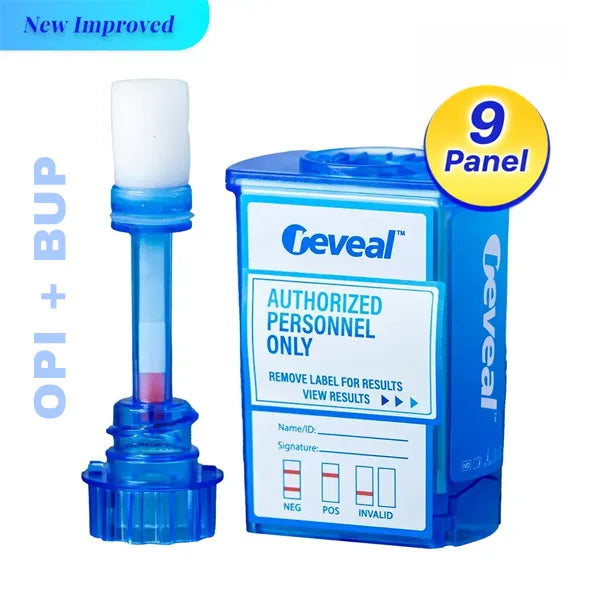
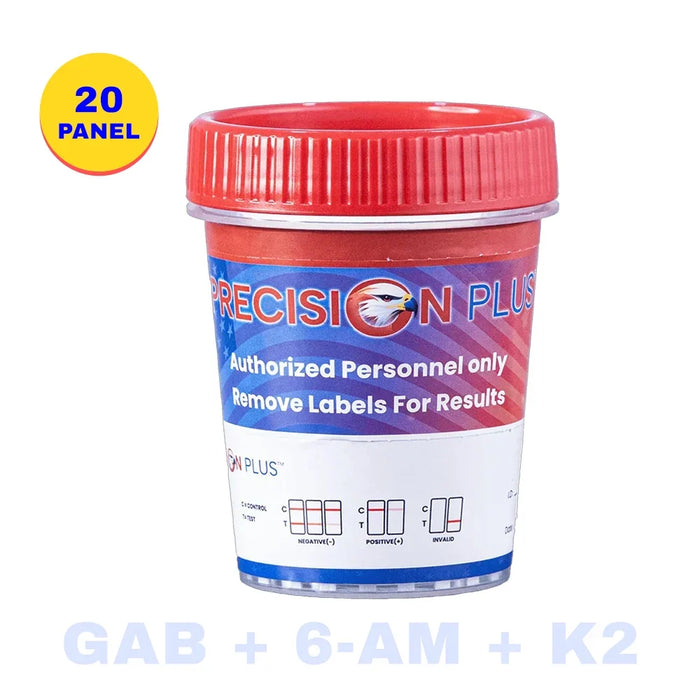
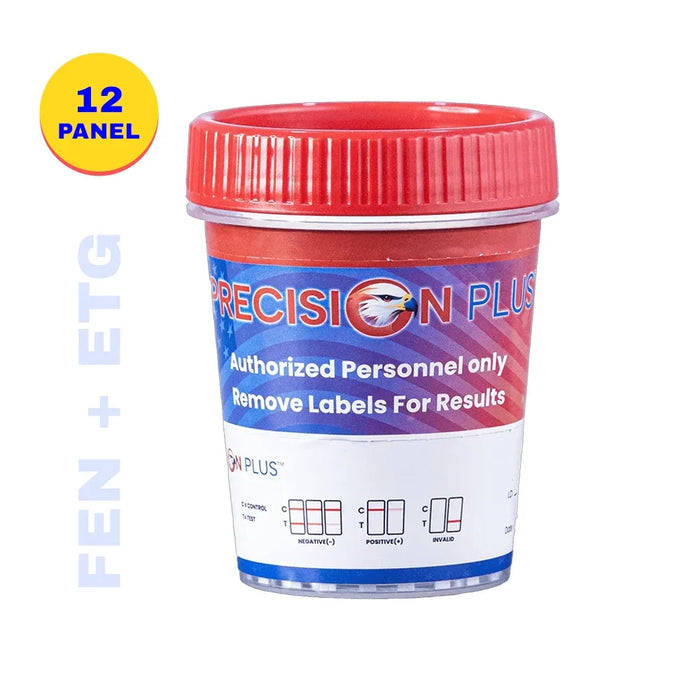
American Screening Corp has supplied FDA-cleared, CLIA-waived tests at wholesale pricing since 2004. Popular options:
Ordering 100+ tests? Request volume pricing.
Cutoff levels used in the field
Under the HHS Mandatory Guidelines for Federal Workplace Drug Testing Programs (SAMHSA), the urine marijuana metabolite cutoff is 50 ng/mL for the initial test and 15 ng/mL for GC-MS or LC-MS/MS confirmation. For oral fluid, the guideline cutoffs for THC are 4 ng/mL initial and 2 ng/mL confirmatory. Many non-regulated programs use the same 50 ng/mL urine cutoff, but some use 20 ng/mL, so confirm the cutoff printed on the device you buy.
How long edibles stay detectable
Detection windows vary with dose, frequency of use, body composition and hydration. The ranges below are general estimates from published research and are not guarantees for any individual.
| Test type | Analyte / cutoff | Typical window (occasional use) | Typical window (heavy, daily use) | Best fit |
|---|---|---|---|---|
| Urine (cup or dip card) | THC-COOH, 50 ng/mL screen | Roughly 1 to 3 days | Often 2 to 4 weeks or longer | Pre-employment, probation, treatment programs |
| Oral fluid | THC, 4 ng/mL screen | Roughly up to 1 to 2 days | Up to several days | Observed collection, post-incident, reasonable suspicion |
| Lab confirmation (GC-MS / LC-MS/MS) | THC-COOH, 15 ng/mL (urine) | Extends detection slightly past screen | Longer than screen | Verifying any non-negative screen |
Why edibles can complicate interpretation
- Delayed absorption: onset can take one to two hours, so post-incident timing is harder to link to impairment.
- Dose uncertainty: commercial edibles are often inconsistently labeled, so donors may underestimate intake.
- Hemp and delta-8 products: some products can produce THC-COOH and a non-negative screen. A positive result does not show which product was used.
- Presence is not impairment: urine metabolites show past use, not current impairment.
How to read and act on results
Immunoassay cups and dip cards are screening devices. They give a presumptive result, and a non-negative result should be treated as preliminary until confirmed by a laboratory.
- Check the device cutoff and expiration date before collection.
- Collect the specimen following your written procedure and verify the temperature window on the cup.
- Read the result within the time stated in the device instructions. Do not interpret lines after that window.
- Treat any line, even a faint one, in the test region as negative for that drug only as specified by the manufacturer's instructions.
- Send non-negative specimens to a certified lab for confirmation, and have a medical review process in place for legitimate explanations.
FDA and CLIA status
Point-of-care urine drug tests are regulated as in vitro diagnostic devices. Many are FDA 510(k) cleared, and some are CLIA-waived, but status differs by product and by use. Ask your supplier for the clearance documentation for each device, and remember that DOT-regulated testing must follow 49 CFR Part 40, which requires specific collection procedures and a laboratory process rather than a point-of-care result alone (U.S. DOT Office of Drug and Alcohol Policy and Compliance).
Program checklist for buyers
- Confirm whether your program is DOT-regulated, federally mandated or non-regulated.
- Choose a THC cutoff (50 ng/mL is the common standard) and apply it consistently.
- Pick the specimen type that matches your goal: urine for broader windows, oral fluid for recent use.
- Stock devices with documented FDA clearance and clear lot and expiration labeling.
- Write a policy covering edibles, hemp-derived products and state cannabis laws.
- Require lab confirmation and a review step before adverse decisions.
- Train collectors and keep chain-of-custody records.
Sourcing devices for THC screening
Clinics, courts and employers that run frequent screens typically stock multi-panel urine drug test cups that include a THC channel at the standard cutoff. If you need help matching cutoffs, panels and volume to your program, contact American Screening Corp for wholesale guidance.
Frequently asked questions
Do edibles show up on a drug test?
Yes. Edibles produce THC-COOH in urine, the same metabolite detected after smoking, so standard THC screens at 50 ng/mL can detect them.
How long do edibles stay in your system for a urine test?
Occasional use is often detectable for about 1 to 3 days, while frequent heavy use can remain detectable for several weeks. Individual results vary.
Can a drug test tell edibles from smoking?
No. Standard urine and oral fluid tests detect THC or its metabolites and cannot determine the route of use.
Should a positive THC screen be confirmed?
Yes. A screening result is presumptive, so send the specimen for laboratory confirmation (15 ng/mL urine under federal guidelines) before taking action.
Sources
- SAMHSA: Workplace Drug Testing and HHS Mandatory Guidelines
- U.S. DOT ODAPC: 49 CFR Part 40
- NIDA: Cannabis (Marijuana) Research Topic
This article is general information, not legal or medical advice.