Cruise ship drug testing is not one single program. What applies to a given crew member depends on whether the vessel is a United States flagged ship, what job the applicant holds, and which country's flag state and company policy govern the ship. Most large cruise ships that call on US ports are flagged in other countries, so the testing an applicant experiences is usually set by the cruise line's own policy and by the vessel's flag state, not by a US federal testing rule. A smaller number of US flagged vessels, including some coastal and expedition ships and the licensed and documented mariners who work on them, fall under a specific US Coast Guard testing regulation. This post explains both tracks, what triggers a test, and what cabin, deck, engine and hospitality applicants should generally expect.
Who the US Coast Guard rule actually covers
The Coast Guard's chemical testing program lives in 46 CFR Part 16. It applies to the owners and operators of US flagged commercial vessels and to the credentialed and documented individuals serving in positions the regulation identifies as safety sensitive, such as watchstanders, pilots, and certain engineering and deck personnel. The rule sets out when an owner or operator must test: before employment in a covered position, on a random basis at a rate the Coast Guard publishes, periodically, after a serious marine incident, when there is reasonable cause, and before returning to duty after a positive result or refusal. The specific triggers and timing are laid out in Subpart D, and the pre-employment testing requirement sits in Subpart B. The collection, laboratory, and medical review officer procedures an owner or operator must follow are the same procedures used across federally regulated transportation testing, set out in 49 CFR Part 40.
A separate and older rule, 33 CFR Part 95, addresses operating a vessel while intoxicated and the alcohol standards that apply to the marine employer and the individual. Owners and operators of US flagged vessels generally keep alcohol and drug policy together because both sets of rules can apply to the same voyage and the same incident.
Why most large cruise ships fall outside 46 CFR Part 16
Most of the largest cruise lines operating out of US ports register their ships under a foreign flag. A foreign flagged vessel is not generally subject to 46 CFR Part 16, because that regulation is written for US flagged commercial vessels. Instead, the testing program on a foreign flagged ship is set by the cruise line's own employment policy and by the requirements of the ship's flag state. Many flag states and cruise employers build their policies around the drug and alcohol provisions of the Maritime Labour Convention, 2006, an international labor instrument that covers seafarer working conditions broadly, including fitness for duty. Because the convention is implemented differently country to country, the specific panel, frequency, and consequences a crew member encounters vary by employer and by flag state, and an applicant should rely on the offer letter and employee handbook the cruise line issues rather than assuming a US federal rule sets the terms.
Foreign flagged ships calling at US ports are still subject to US Coast Guard port state control examinations, which check a vessel's compliance with international safety and crew documentation conventions under 33 CFR Part 160 and related port entry rules. A port state exam looks at vessel and crew certification and safety condition; it is not the same thing as the Coast Guard's own chemical testing program under Part 16, and it does not by itself require the ship's drug testing policy to match the US federal rule.
Comparing the two tracks
| Factor | US flagged vessel, covered position (46 CFR Part 16) | Foreign flagged cruise ship (company and flag state policy) |
|---|---|---|
| Legal basis | Federal regulation, US Coast Guard | Employer policy, flag state rule, Maritime Labour Convention 2006 provisions as implemented by the flag state |
| Pre-employment test | Required before serving in a covered position | Set by company policy; commonly required before boarding |
| Random testing | Required at a published minimum rate | Varies by employer; some lines run random programs, others do not |
| Post-incident and reasonable cause | Required after a serious marine incident or when reasonable cause exists | Set by company policy; most major lines include both |
| Collection and MRO procedure | Follows 49 CFR Part 40 | Set by employer contract with its testing provider; procedures vary |
| Oversight of refusals and positives | Coast Guard credential action possible | Employment action under the seafarer employment agreement |
What different crew roles can expect
Deck and engine department applicants, and anyone whose job touches navigation, propulsion, or vessel safety systems, are the roles most likely to be treated as safety sensitive on either track. On a US flagged vessel these are the positions the Part 16 program is built around. On a foreign flagged ship, deck and engine officers and ratings are typically held to the strictest version of the company's drug and alcohol policy because their duties affect the safety of the whole crew and the passengers.
Hospitality, food and beverage, and guest services applicants generally go through the same pre-employment screen as deck and engine staff on most cruise lines, even though their roles are not classified as safety sensitive under a federal rule, because the employer applies one company-wide policy to everyone who boards. Cabin and housekeeping staff fall into the same company-wide category. An applicant in any department should expect a pre-employment collection as part of the onboarding process, a review by a qualified medical professional of any prescribed medication that could explain a result, and a clear statement in the offer paperwork of what a positive result or a refusal means for the job offer.
What applicants should expect during the process
Whether the test is run under 46 CFR Part 16 procedures or under a cruise line's own contracted program, applicants can generally expect a urine or oral fluid collection, a screening test followed by laboratory confirmation of any non-negative screen, and a review of any confirmed positive by a medical review officer or an equivalent qualified reviewer before the employer is told the result. An applicant taking a prescribed medication should bring documentation of that prescription to the review rather than waiting to be asked, since a verified prescription is the normal path to resolving a non-negative screen that reflects legitimate medical use. Random testing, where the employer runs one, is typically unannounced and applies to the whole covered population on a selection basis rather than being targeted at a particular person.
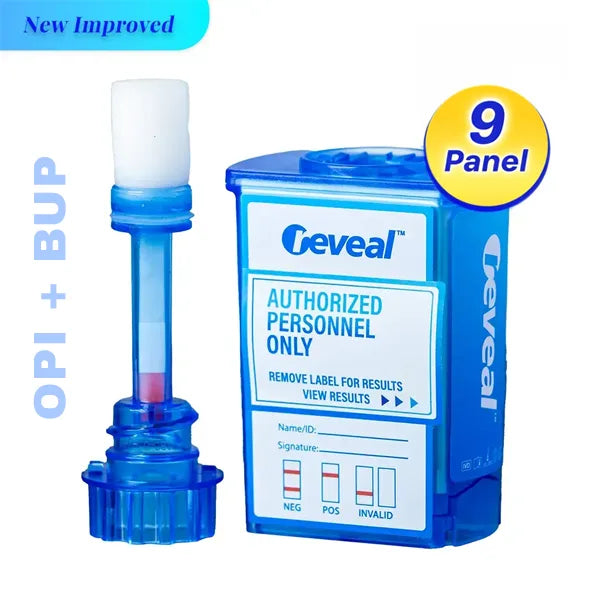
Employers building or auditing either kind of program source rapid cups, dip cards and oral fluid devices through American Screening Corporation's drug test cup collection, and maritime employers and agencies placing larger recurring orders can set up an account through the wholesale portal.
Related reading
For the Coast Guard's broader chemical testing program outside the cruise context, see our post on Coast Guard drug testing requirements. For dockside workers and terminal access rules that intersect with maritime security credentialing, see port worker TWIC and Coast Guard drug testing.
Frequently asked questions
Does every cruise ship have to follow the US Coast Guard drug testing rule?
No. The Coast Guard's chemical testing program in 46 CFR Part 16 applies to US flagged commercial vessels and the covered positions on them. Most large cruise ships calling on US ports are flagged in other countries, so their testing program is set by the cruise line's policy and the flag state, not by this federal rule.
What testing procedures does a US flagged vessel follow?
An owner or operator covered by 46 CFR Part 16 follows the collection, laboratory and medical review officer procedures set out in 49 CFR Part 40, the same federal procedure framework used across other federally regulated transportation testing programs.
Can a cruise line test hospitality or cabin staff even though their role is not safety sensitive under federal law?
Yes. A cruise line may be able to apply one drug and alcohol policy to every department it employs, regardless of whether a particular role is classified as safety sensitive under a federal rule. The scope of who gets tested and how often is a matter of company policy on a foreign flagged ship.
Does a positive pre-employment result always end a job offer?
The outcome generally depends on the specific employer's policy and on whether a verified prescription or other legitimate medical explanation resolves the result through the medical review officer or equivalent review process. Consequences for a confirmed positive or a refusal vary by employer and, for US flagged vessel positions, can also involve the mariner's Coast Guard credential.
Is the Maritime Labour Convention 2006 a US law?
No. It is an international labor convention that many flag states have adopted and implemented into their own national requirements for seafarer working and living conditions, including fitness for duty provisions. How it is applied to drug and alcohol testing varies by flag state and by employer.
Does a US Coast Guard port state exam check a foreign ship's drug testing program?
A port state control exam reviews a vessel's safety and crew certification compliance with international conventions; it is a separate process from the Coast Guard's own chemical testing program under 46 CFR Part 16 and does not itself impose that regulation's testing schedule on a foreign flagged ship.
This article is general information about cruise and maritime employment drug testing policy, not legal advice. Employers should consult qualified counsel and the applicable flag state and federal rules before adopting or changing a testing policy.