Quick answer: No, ciprofloxacin (Cipro) is not a drug that standard urine panels detect. Published reports show fluoroquinolone antibiotics can rarely cause a false-positive result on some opiate immunoassays. American Screening Corp advises that every positive screen is preliminary and must be confirmed by GC/MS or LC-MS/MS laboratory testing.
- Cipro is not on the 5-panel or 10-panel target list. It is a fluoroquinolone antibiotic, not a controlled substance.
- The risk is cross-reactivity on the opiate immunoassay line, not detection of Cipro itself.
- A preliminary positive is not a final result. Confirm by GC/MS or LC-MS/MS before any decision.
Does Cipro show up on a drug test?
Cipro is not a target analyte on standard urine drug screens. Panels look for drug classes such as amphetamines, cocaine metabolite, marijuana metabolite (THC), opiates and phencyclidine (PCP). Ciprofloxacin is not in any of those classes.
Need drug tests for your clinic, program or workplace?
American Screening Corp has supplied FDA-cleared, CLIA-waived tests at wholesale pricing since 2004. Popular options:
Ordering 100+ tests? Request volume pricing.
The practical concern is different. Some immunoassay screens use antibodies that can react with molecules that resemble the target drug. A 2001 JAMA study reported that quinolone antibiotics, including ciprofloxacin, produced false-positive opiate screens on certain assays. Whether it happens depends on the assay, the cutoff and the dose.
How does an immunoassay screen work, and why does cross-reactivity happen?
An immunoassay is a rapid test that uses antibodies to bind a drug or its metabolite. It tells you a drug class may be present above a set concentration. It does not identify the exact molecule.
Cross-reactivity means a different compound binds the antibody and triggers the line or reading. This is why screening results are called preliminary. Instant cups and dip cards are built for fast, on-site screening. Laboratory mass spectrometry is built for identification.
Cutoff levels matter
Under the HHS Mandatory Guidelines for Federal Workplace Drug Testing Programs (SAMHSA, as of 2026), the initial urine test cutoff for morphine and codeine is 2,000 ng/mL. Hydrocodone and hydromorphone are 300 ng/mL, and oxycodone group drugs are 100 ng/mL. Non-federal devices can use different cutoffs, so read the package insert for each lot you stock.
What do Cipro and opiate screens look like side by side?
| Question | Answer | Action |
|---|---|---|
| Is Cipro a panel target? | No | No action for a negative result |
| Can Cipro cause a false-positive opiate screen? | Rarely, on some immunoassays (JAMA, 2001) | Ask about current medications |
| Is a positive opiate screen final? | No, it is preliminary | Send for GC/MS or LC-MS/MS |
| Who decides the result? | The laboratory and, for DOT, the Medical Review Officer | Follow your written policy |
How long is Cipro in the body?
Ciprofloxacin has a short half-life of roughly 4 hours in adults with normal kidney function, according to MedlinePlus drug information. Much of the dose leaves in urine within about a day. Kidney function, dose and formulation change this. Treat these as general ranges, not a guarantee for one person.
What should a clinic, court or employer do with a positive opiate screen?
Treat the screen as a starting point, never as proof of drug use. Document what was observed, then follow a fixed procedure.
- Record the device, lot number, cutoff and read time.
- Ask the donor, in a neutral way, to list prescription and over-the-counter medications.
- Preserve the specimen under chain of custody.
- Send it for GC/MS or LC-MS/MS confirmation.
- Take action only after the confirmed result and any required medical review.
Checklist for your testing program
- Write "preliminary" on every non-negative screen result form.
- Keep package inserts with cutoff tables on file for each lot.
- Collect medication disclosures separately from the result so that donors can speak freely.
- Use a laboratory that confirms by GC/MS or LC-MS/MS.
- For DOT-regulated employees, follow 49 CFR Part 40 and use the Medical Review Officer process.
- Retrain collectors every year on reading and documenting results.
Which test formats fit this workflow?
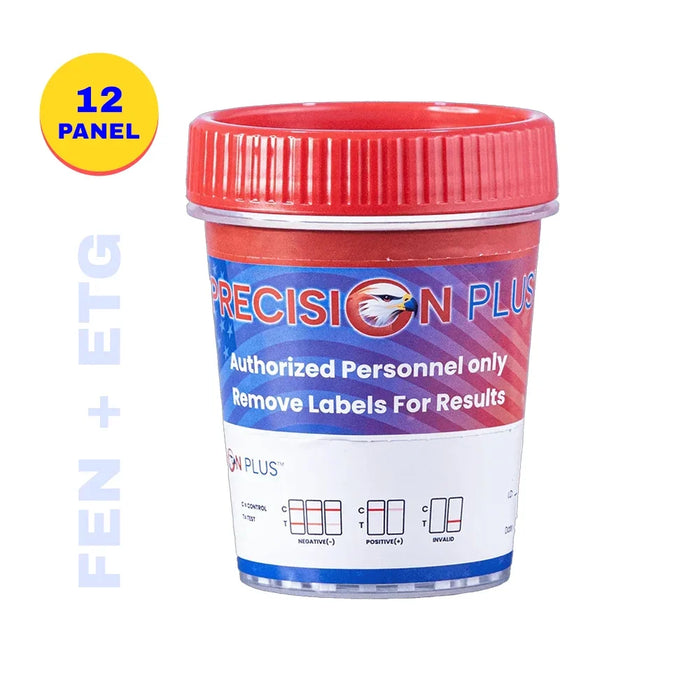
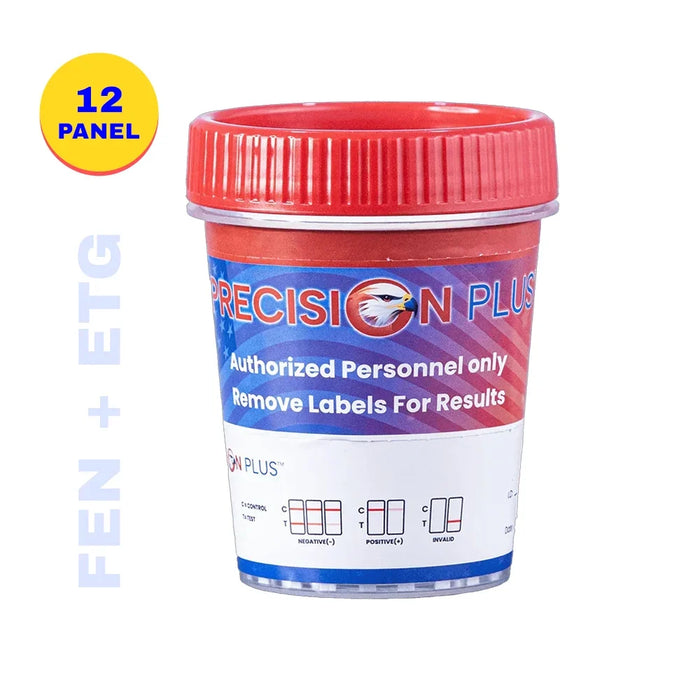
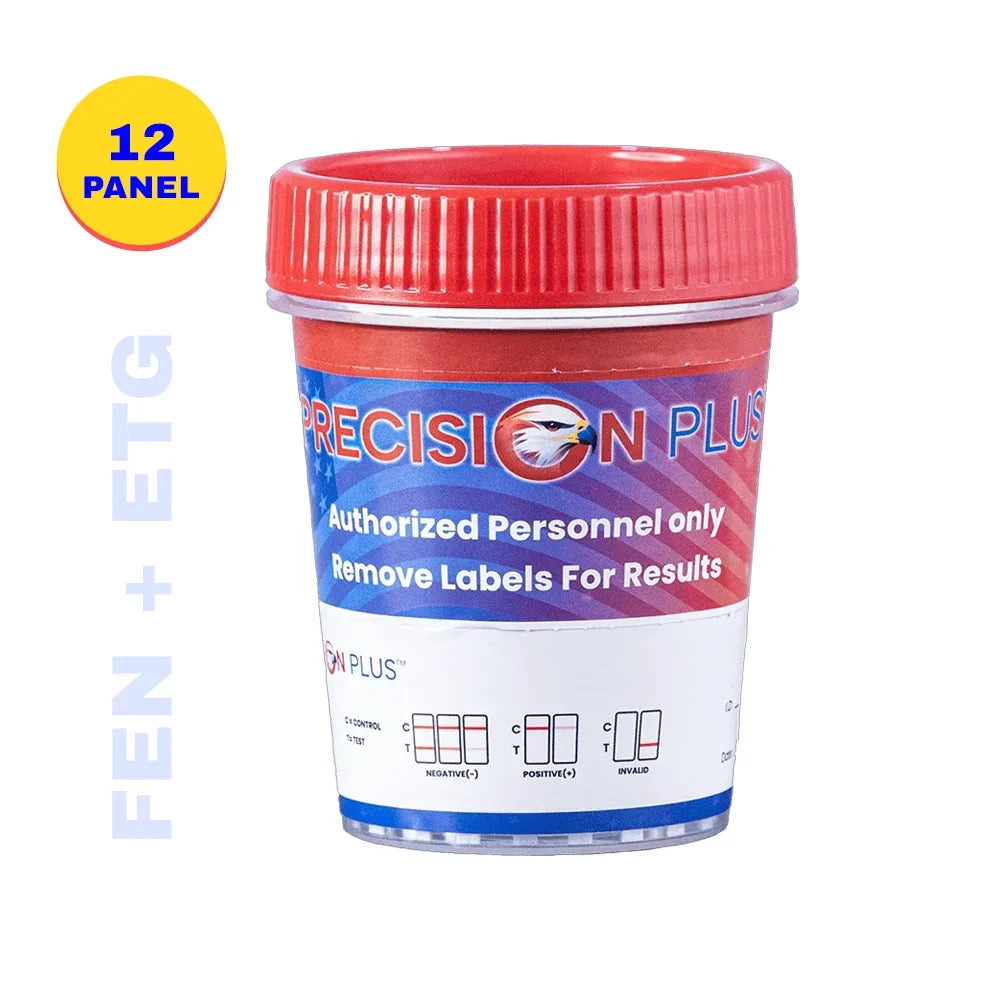
For point-of-collection screening with a visible read, many programs stock drug test cups. For high-volume, lower-cost screening, drug test dip cards are a common choice. Check each product's FDA clearance and CLIA-waived status on its page and insert before you buy. If you need help choosing panels, cutoffs or lab confirmation, contact American Screening Corp. We ship same day nationwide from Shreveport, Louisiana.
Employers who pair testing with hiring decisions can also review screening alongside background checks through our sister division, Reveal Background.
What we hear from buyers
Clinics and probation offices often ask about antibiotics, cold medicines and prescription painkillers when a result looks unexpected. Our advice is the same each time. Do not guess from the strip. Document the medication, confirm in the lab and let the confirmed result drive the decision.
FAQ
Does Cipro show up on a drug test?
Cipro is not a target of standard urine drug panels. In rare cases it may cause a false-positive opiate immunoassay result. Confirm any positive by GC/MS or LC-MS/MS.
Can ciprofloxacin cause a false-positive for opiates?
Yes, on some immunoassays, according to a 2001 JAMA report on quinolones. It is uncommon and depends on the assay and cutoff. Laboratory confirmation resolves it.
What is the opiate cutoff on a federal urine screen?
The HHS Mandatory Guidelines set the initial cutoff for morphine and codeine at 2,000 ng/mL. Other devices may use different cutoffs, so check the insert.
Should an employer disqualify someone after a preliminary positive?
No. A preliminary positive must be confirmed by GC/MS or LC-MS/MS first. DOT-regulated tests also require Medical Review Officer review under 49 CFR Part 40.
Sources
- SAMHSA: Workplace Drug Testing and the HHS Mandatory Guidelines
- U.S. DOT Office of Drug and Alcohol Policy and Compliance: 49 CFR Part 40
- MedlinePlus: Ciprofloxacin
This article is general information, not legal or medical advice.