BUP on a Drug Test: What It Means
BUP on a drug test is the abbreviation for buprenorphine, a partial opioid agonist prescribed for opioid use disorder and, in some forms, pain. A BUP result means the screen detected buprenorphine or its metabolite, norbuprenorphine, at or above the test's cutoff concentration.
What Is BUP on a Drug Test?
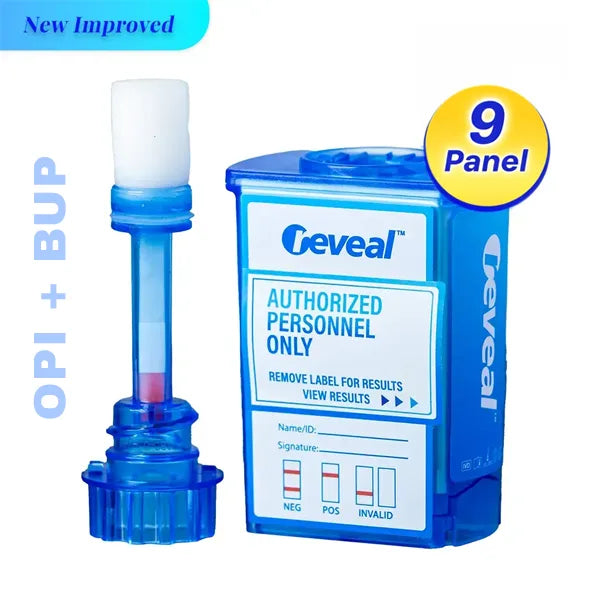
Most standard panels (such as 5-panel or 10-panel tests) do not include buprenorphine. It is a separate analyte, and common opiate screens usually do not detect it. Programs must choose a panel or cup that lists BUP explicitly. Buprenorphine is sold under brand names including Suboxone, Subutex, Zubsolv and Sublocade, so a positive often reflects legitimate treatment.
How a BUP Drug Test Works
Immunoassay screens use antibodies that react to buprenorphine and its metabolites. Urine is the most common specimen, with oral fluid available for observed, short-window testing. Typical screening cutoffs for urine BUP are around 10 ng/mL, though cutoffs vary by manufacturer, so check the product insert.
Why Screens Are Presumptive
Instant tests are presumptive. Any non-negative result that will drive a decision should be sent for laboratory confirmation, typically by LC-MS/MS or GC-MS, which identifies the exact compounds and concentrations.
Buprenorphine Drug Test Detection Windows
Detection depends on dose, frequency of use, metabolism and specimen type. These are general ranges, not guarantees.
| Specimen | Typical Detection Window | Best Use |
|---|---|---|
| Urine | Roughly 2 to 7 days; longer with chronic use | Treatment adherence, routine monitoring |
| Oral fluid | Roughly 1 to 3 days | Observed collection, recent use |
| Lab confirmation (LC-MS/MS) | Same window as the specimen tested | Verifying disputed or consequential results |
Who Needs BUP Screening
- Addiction-treatment centers and clinics: confirm patients are taking prescribed buprenorphine and detect diversion when BUP is absent.
- Courts and probation: verify compliance with treatment-related conditions.
- Employers and staffing firms: BUP is not part of the federal DOT panel, so it appears only on non-regulated, company-policy testing.
- Hospitals and labs: support pain management and prescribing agreements.
Interpreting a Positive BUP Result
A positive does not show impairment or misuse. Verify the donor's prescription through a medical review process, and note that a lawful prescription may be protected under disability laws in employment settings. Consult counsel before taking adverse action. A clinic may expect BUP to be present, and a negative result with a prescription may raise diversion concerns that warrant confirmation testing.
Checklist: Setting Up a BUP Testing Program
- Confirm the panel lists BUP and note its cutoff.
- Define the specimen type: urine or oral fluid.
- Document a written policy covering prescriptions and disclosure.
- Use tamper checks such as temperature strips and adulterant testing.
- Send non-negative results for lab confirmation.
- Use a medical review step before consequences.
- Keep chain-of-custody records for legal or court use.
Choosing Testing Supplies
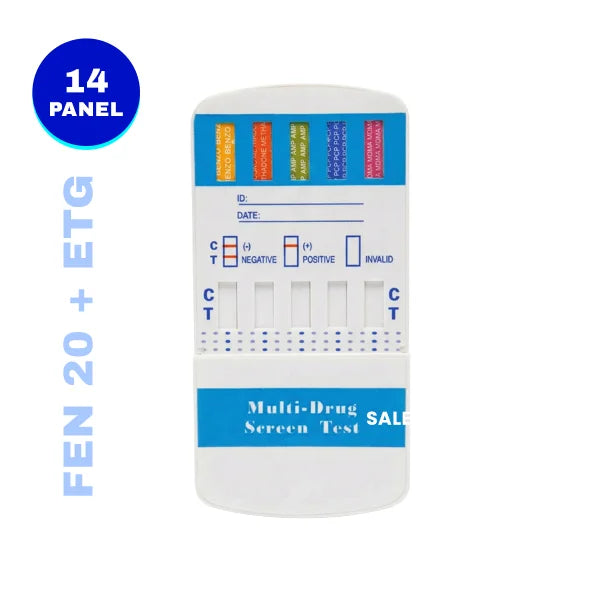
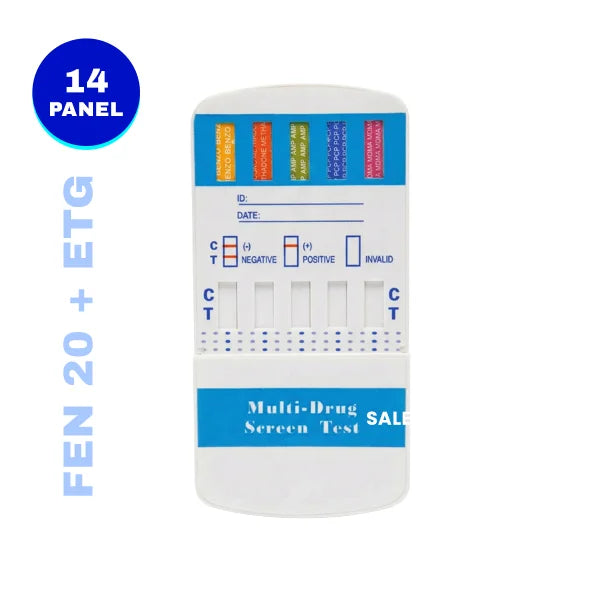
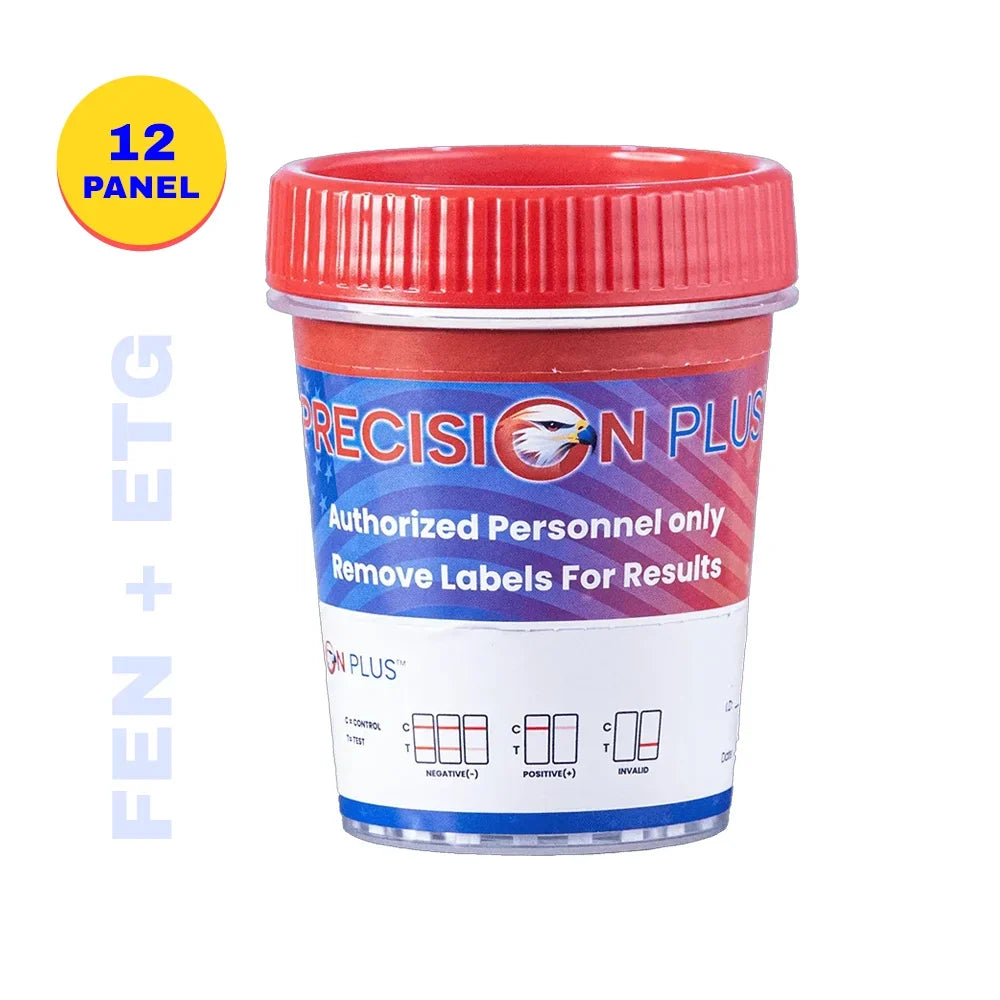
ASC supplies wholesale testing products to clinics, treatment centers, courts and employers. Compare drug testing cups for integrated multi-panel urine screening, or consider oral fluid drug tests when observed collection matters. For help selecting a panel that includes BUP, contact the ASC team.
FAQ
What is BUP on a drug test?
BUP is short for buprenorphine, a medication used to treat opioid dependence. It appears only on panels that specifically include it.
Does a standard drug test detect buprenorphine?
Usually not. Standard opiate screens often miss it, so you need a panel with a BUP line.
How long does buprenorphine stay in urine?
Commonly about 2 to 7 days, and longer with chronic use. Individual factors change the window.
Should a positive BUP screen be confirmed?
Yes. Lab confirmation by LC-MS/MS is recommended before any consequential decision.
Sources
- SAMHSA: Buprenorphine
- NIH/NCBI: Clinical Drug Testing in Primary Care (TAP 32)
- EEOC: Disability and Drug Testing Guidance
This article is general information, not legal or medical advice.