Quick answer: There is no single national "American drug testing consortium." A drug testing consortium is a Consortium/Third-Party Administrator (C/TPA) that manages DOT-regulated testing for employers under 49 CFR Part 40. American Screening Corp is a supplier of FDA-cleared, CLIA-waived test kits, not a C/TPA.
- A C/TPA runs random pools, scheduling, collection-site networks and result reporting; it does not replace a certified laboratory or a Medical Review Officer (MRO).
- DOT-mandated tests must use HHS-certified laboratories and federal custody and control procedures; instant screening cups are for non-DOT programs.
- American Screening Corp (Shreveport, LA) supplies wholesale screening cups, dip cards and collection kits, with lab confirmation for non-regulated programs.
What is a drug testing consortium?
A drug testing consortium is a service agent that performs or coordinates drug and alcohol testing functions for employers. The U.S. Department of Transportation calls it a Consortium/Third-Party Administrator, or C/TPA, in 49 CFR Part 40, Section 40.3 (eCFR, as of 2026).
Need drug tests for your clinic, program or workplace?
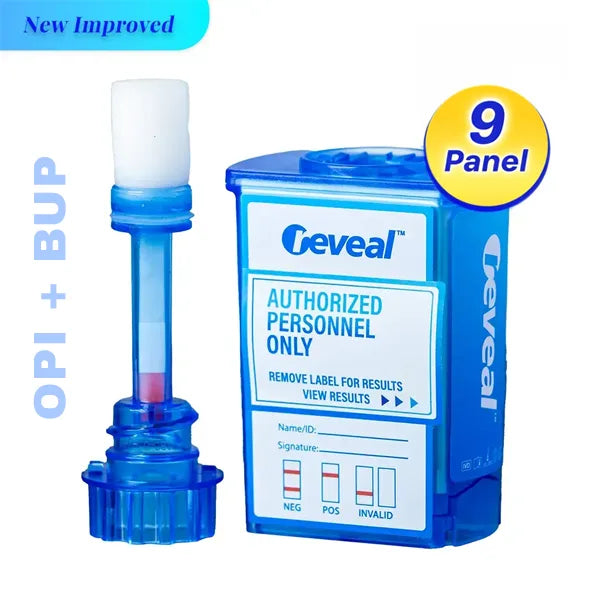
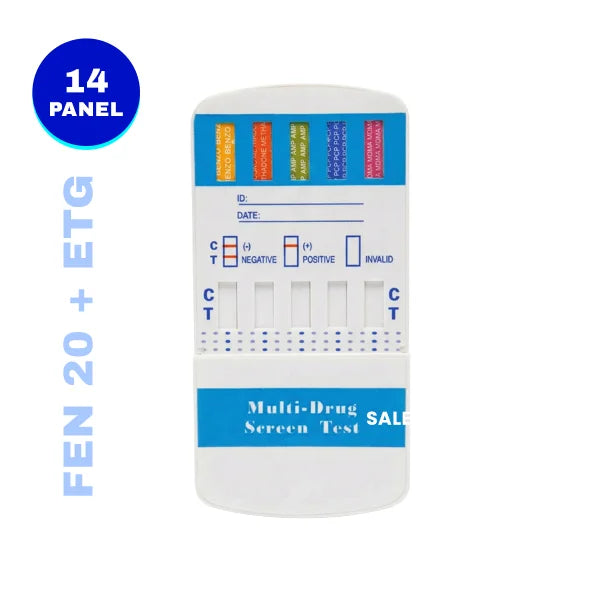
American Screening Corp has supplied FDA-cleared, CLIA-waived tests at wholesale pricing since 2004. Popular options:
Ordering 100+ tests? Request volume pricing.
Small carriers, owner-operators and employers with few covered employees use consortia because pooling employees makes random selection statistically valid and affordable.
What does a C/TPA actually do?
A C/TPA handles administration so the employer stays compliant. Typical services include:
- Maintaining a random selection pool and generating selection lists on a set schedule.
- Notifying employers of selected employees and tracking completion dates.
- Arranging collection sites and breath alcohol technicians.
- Routing specimens to an HHS-certified laboratory and relaying MRO-verified results.
- Supporting reporting and record retention.
Under Part 40, the employer remains responsible for compliance even when a C/TPA does the work. Delegating a task does not delegate the liability.
Which employers need one?
Employers with safety-sensitive employees regulated by DOT agencies (FMCSA, FAA, FRA, FTA, PHMSA, USCG) must run testing programs. The DOT Office of Drug and Alcohol Policy and Compliance (ODAPC) publishes the rules and guidance for each mode. Owner-operators must belong to a random pool, and a consortium is the usual way to do so.
Commercial driver's license holders also fall under the FMCSA Drug and Alcohol Clearinghouse, which requires employer queries and violation reporting. Many consortia offer Clearinghouse support.
Consortium vs. in-house screening supplies
| Factor | C/TPA (consortium) | In-house screening kits |
|---|---|---|
| Main job | Program administration for DOT testing | Immediate preliminary screening |
| DOT-valid result | Yes, via certified lab and MRO | No; DOT requires federal custody and control procedures and an HHS-certified lab |
| Random pool | Provided | Employer builds its own |
| Typical buyer | Carriers, owner-operators | Clinics, treatment centers, courts, probation, staffing, non-DOT employers |
| Positive result | MRO-verified | Preliminary; confirm by GC/MS or LC-MS/MS laboratory testing |
What do screening kits detect, and at what cutoffs?
The federal five-drug urine panel, set by the HHS Mandatory Guidelines (SAMHSA, as of 2026), uses these initial test cutoffs: marijuana metabolite (THC) 50 ng/mL, cocaine metabolite 150 ng/mL, opiates (codeine/morphine) 2,000 ng/mL, phencyclidine (PCP) 25 ng/mL, and amphetamines 500 ng/mL. Detection windows vary with dose, frequency and metabolism, but cocaine metabolite is commonly detectable for about 2 to 4 days and occasional THC use for about 1 to 3 days.
Non-regulated programs can choose from 5- to 18-panel formats. Our drug test cups give an on-site read in minutes, and our drug test dip cards suit high-volume, lower-cost screening. ASC kits are FDA-cleared and CLIA-waived. Every positive screen is preliminary; confirm by GC/MS or LC-MS/MS laboratory testing.
How to vet a consortium: checklist
- Written confirmation that it performs C/TPA services under 49 CFR Part 40.
- Use of an HHS-certified laboratory and a qualified MRO.
- A documented random-selection method and dated selection records.
- Collection-site coverage where your drivers operate.
- Clinical staff trained and qualified for DOT collection and breath alcohol testing.
- Clear fees, turnaround times and record-retention terms.
- Support for FMCSA Clearinghouse queries and reporting.
- A signed service agreement that states who does what.
Where ASC fits
American Screening Corp sells wholesale drug and alcohol testing supplies to clinics, hospitals, treatment centers, courts, probation departments, labs, staffing firms and employers, with same-day shipping nationwide. Clinics and collection sites that serve consortium clients buy our DOT-compliant collection kits and supplies. Employers that run non-DOT pre-employment or for-cause programs use our screening kits.
If you also verify candidates before testing, our sister division Reveal Background runs employment background checks. For wholesale or private-label questions, use our contact page.
Frequently asked questions
Is there an official American drug testing consortium?
No single official body carries that name. DOT recognizes individual C/TPAs, and each operates independently under 49 CFR Part 40. Verify any provider's services and credentials in writing.
Does DOT require me to join a consortium?
No. DOT requires a compliant testing program, and owner-operators and small employers must participate in a random pool. A C/TPA is the common way to meet that requirement.
Can I use instant test cups for DOT testing?
No. DOT tests require federal custody and control procedures and an HHS-certified laboratory. Instant cups suit non-DOT screening, and positives are preliminary pending laboratory confirmation.
Does American Screening Corp act as a consortium?
No. ASC supplies FDA-cleared, CLIA-waived screening kits, collection supplies and lab confirmation. It does not manage random pools or act as a C/TPA.
Sources
- eCFR: 49 CFR Part 40, Procedures for Transportation Workplace Drug and Alcohol Testing Programs
- U.S. DOT: Office of Drug and Alcohol Policy and Compliance
- SAMHSA: Workplace Drug Testing and the HHS Mandatory Guidelines
This article is general information, not legal or medical advice.