10 Panel Drug Test: What It Is and When to Use It
A 10 panel drug test is an immunoassay screen that checks a urine (or sometimes oral fluid) sample for ten drug classes in one test. A 10 panel drug screen is typically chosen when a program needs broader coverage than the standard 5 panel, including prescription-type drugs such as benzodiazepines and barbiturates.
What Is a 10 Panel Drug Test?
It is a non-instrumented or lab-read initial screen. Results are presumptive: a non-negative result should be confirmed by a laboratory method such as GC-MS or LC-MS/MS before any adverse action. Panel makeup varies slightly by manufacturer, so always read the product insert for cutoff levels.
Drugs a 10 panel commonly detects
- Amphetamines
- Cocaine (metabolite)
- Marijuana (THC metabolite)
- Opiates (morphine, codeine)
- Phencyclidine (PCP)
- Barbiturates
- Benzodiazepines
- Methadone
- Methaqualone, propoxyphene, oxycodone, or MDMA (the remaining slots vary by manufacturer)
Because configurations differ, confirm that the panel you buy matches the drugs your policy names.
10 Panel Drug Screen vs. 5 Panel and 12 Panel
| Panel | Typical coverage | Best fit |
|---|---|---|
| 5 panel | THC, cocaine, opiates, amphetamines, PCP | Basic pre-employment; DOT-style core classes |
| 10 panel | 5 panel plus benzodiazepines, barbiturates, methadone and others | Clinics, treatment programs, probation, healthcare employers |
| 12+ panel | 10 panel plus items such as oxycodone, buprenorphine, or MDMA | Pain management, monitoring of known opioid risk |
Note that federally regulated DOT testing uses its own required panel and a certified lab process; a 10 panel screen is not a substitute for that.
Who Uses a 10 Panel Drug Test?
- Clinics and hospitals: medication adherence and patient intake.
- Addiction-treatment centers: detecting relapse across more drug classes, including sedatives.
- Courts and probation: supervised monitoring where benzodiazepine or barbiturate misuse matters.
- Employers and staffing firms: non-DOT programs for safety-sensitive or high-volume hiring.
Choosing a Format
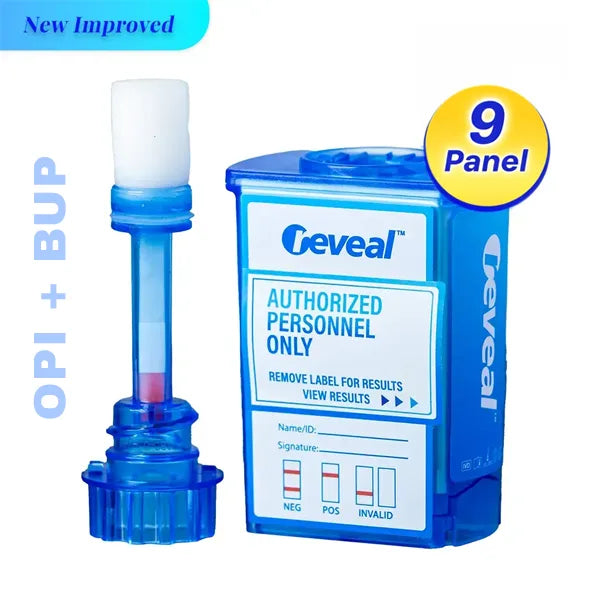
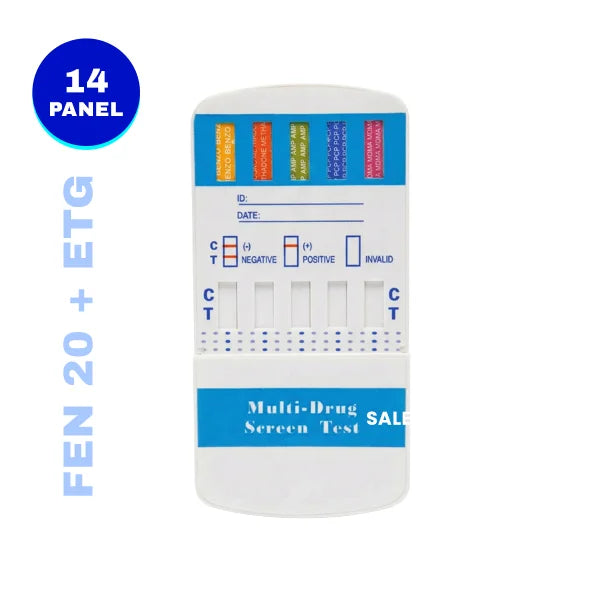
Urine is the most common format and gives the widest detection window, generally a few days for most drugs. Integrated drug testing cups reduce handling steps and include temperature strips, while urine dip cards suit programs that want a lower per-test cost and are comfortable with a separate collection container. If observed collection is difficult, an oral fluid test offers a shorter window and easier supervision, though available panels may differ.
Program Checklist Before You Buy
- Match the panel to a written drug testing policy.
- Verify cutoff concentrations on the insert.
- Confirm that your jurisdiction allows the drugs you test for and the use of results.
- Arrange laboratory confirmation for every non-negative result.
- Train staff on collection, chain of custody, and adulterant checks.
- Store tests within the labeled temperature range and check expiration dates.
- Document medication disclosure and review procedures.
- Keep results confidential and retain records per your policy.
Need help matching a panel to your program? Contact American Screening Corp for wholesale supply guidance.
Limits to Understand
A screen cannot prove impairment, only recent use. Prescribed medications can trigger positives, so a qualified reviewer should evaluate confirmed results. Cross-reactivity can also cause false positives, which is why confirmation matters.
FAQ
What is a 10 panel drug test?
It is a screen that detects ten drug classes in a single urine or oral fluid sample, with a presumptive result that needs lab confirmation if non-negative.
What does a 10 panel drug screen test for?
Commonly amphetamines, cocaine, THC, opiates, PCP, barbiturates, benzodiazepines, methadone, and other drugs that vary by manufacturer.
Is a 10 panel drug test the same as a DOT drug test?
No. DOT testing follows federal rules, specific panels, and certified laboratory procedures. A 10 panel is generally used in non-regulated programs.
Should positive results be confirmed?
Yes. Send non-negative screens for laboratory confirmation and medical review before acting on them.
Sources
- SAMHSA: Workplace Drug Testing
- U.S. DOT: Office of Drug and Alcohol Policy and Compliance
- EEOC: Employment Screening Guidance
This article is general information, not legal or medical advice.