
Discreet, dignity-preserving testing for student programs.
School and university testing programs have a higher bar: parental consent, FERPA confidentiality, NCAA-aligned panels, and the discretion to test without stigmatizing the student. ASC supplies are configured around oral fluid collection wherever possible, offering lower stigma, observed collection by design, and a format operationally suited to athletic trainers and student health centers.
Confidential records workflow NCAA
Panel-aligned collegiate testing

Oral Fluid Screening Swab
Programs that survive a parent meeting.
Every school testing program eventually meets the room of parents. The defensible programs share four traits: documented consent, lower-stigma collection, FERPA-compliant recordkeeping, and a panel aligned to a defined athletic or safety policy. ASC builds the supply side of all four.
Parental Consent Workflow
Bilingual consent forms for K-12, age-of-majority handling for collegiate. Documented at activity-tryout or parking-pass issuance.
Lower-Stigma Collection
Oral fluid swab as the default for student programs. No bathroom escort, no privacy violation, no lasting dignity hit on a 16-year-old.
NCAA-Aligned Panels
Collegiate athletic programs aligned to NCAA Banned Substances categories. Panel adjusts by sport and by competition level.
FERPA-Compliant Records
Student test results stored separately from academic records. Parental access workflow for K-12, student-controlled access for 18+.
The student-program supply stack.
Configured for K-12 districts, private schools, collegiate athletics, and university student health. Subscription cadence ties to academic calendar.
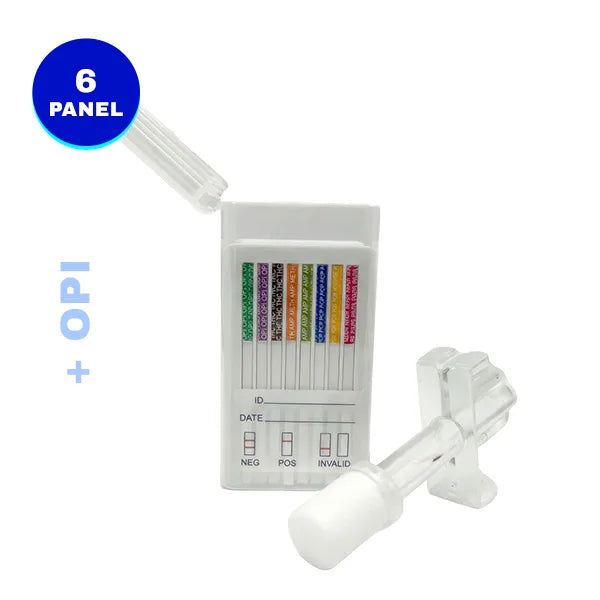
Oral Fluid Screening Swab
Lower-stigma observed collection for student programs. 6-panel: THC, COC, OPI, AMP, MET, MDMA. 8-minute result. No bathroom required.
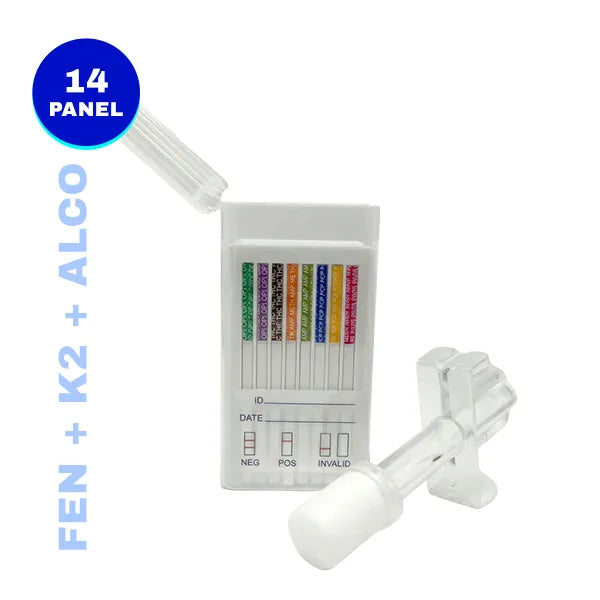
NCAA-Aligned Oral Fluid Panel
Expanded panel including stimulants and select PEDs for collegiate athletic programs. Sport-specific configurations available.

10-Panel Cup (Suspicion Testing)
Standard cup-based testing for reasonable-suspicion cases. Used at student health centers with dignified collection protocol.
Consent & COC Pack (50-pk)
Bilingual parental consent forms, FERPA acknowledgement, and student-specific COC. Counsel-reviewed templates.
Athletic Tryout Kit
100 × oral fluid swabs, 100 × consent forms, 100 × COC, 2 × trainer manuals. Sized for a single sport's tryout day.
Academic Calendar Subscription
Auto-ships before fall and spring sports seasons. Adjustable per sport enrollment. Single billing across athletic department.
One workflow, semester to semester.
The defensible school-testing program covers four trigger events. Each one has a different consent posture and a different documentation path.
Consent Capture
Bilingual parental (K-12) or student (18+) consent at activity-tryout, parking-pass, or dorm move-in.
Baseline Test
Pre-season for athletes, pre-permit for parking, move-in for dorm program. Oral fluid as default.
Random Selection
Pool draws across sport, parking permit holder, or dorm resident populations. Random rate set by district policy.
Counselor Referral
Positive result routes through the trained counselor, never a coach or teacher, for a support-first conversation and family contact.
Sized to the academic budget.
Three ways to buy. Subscription is the default for ongoing semester-by-semester programs.
Standard Order
For single-sport, single-event, or one-time tryout-day programs.
- Pay by P-card or PO
- Counsel-reviewed consent forms
Subscribe & Save
Semester-cadence auto-ship. Adjusts to sport enrollment and random rate.
- Save 15% on every reorder
- Synced to academic calendar
- Single billing across department
- Pause during summer
District & PO Terms
For multi-school districts, statewide university systems, and co-op purchasing.
- Submit POs for district and university procurement
- Co-op contract acceptance (Sourcewell, OMNIA)
- Multi-school consolidated shipping
- Dedicated district account rep
Common questions from administrators
Is random testing of K-12 students even legal?
How do parental consent and student consent interact for 17- and 18-year-olds?
What happens after a positive result? Does the student get reported?
NCAA collegiate: do you test for performance-enhancing drugs?
Does an oral fluid test detect last weekend's marijuana?
How do we handle dormitory and Greek-house testing programs?
What's the FERPA workflow for storing results?
Two ways to start.
Whether you're a single-sport athletic department, a private-school dormitory, or a state university system, we'll configure the panel, consent workflow, and academic-calendar cadence to your written policy.
- Dedicated response on RFQs
- Counsel-reviewed consent forms
- Co-op contract acceptance
- Academic-calendar cadence